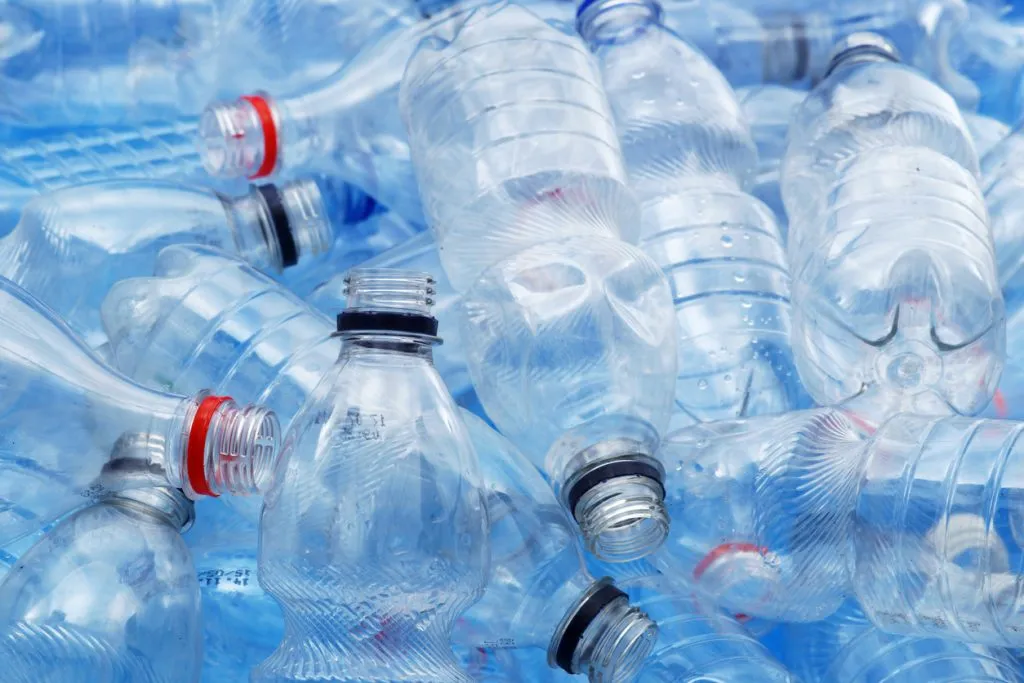
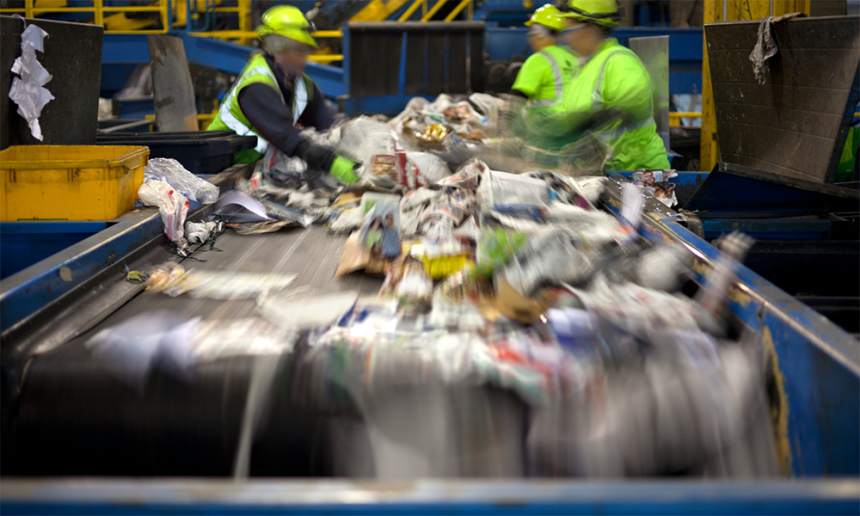
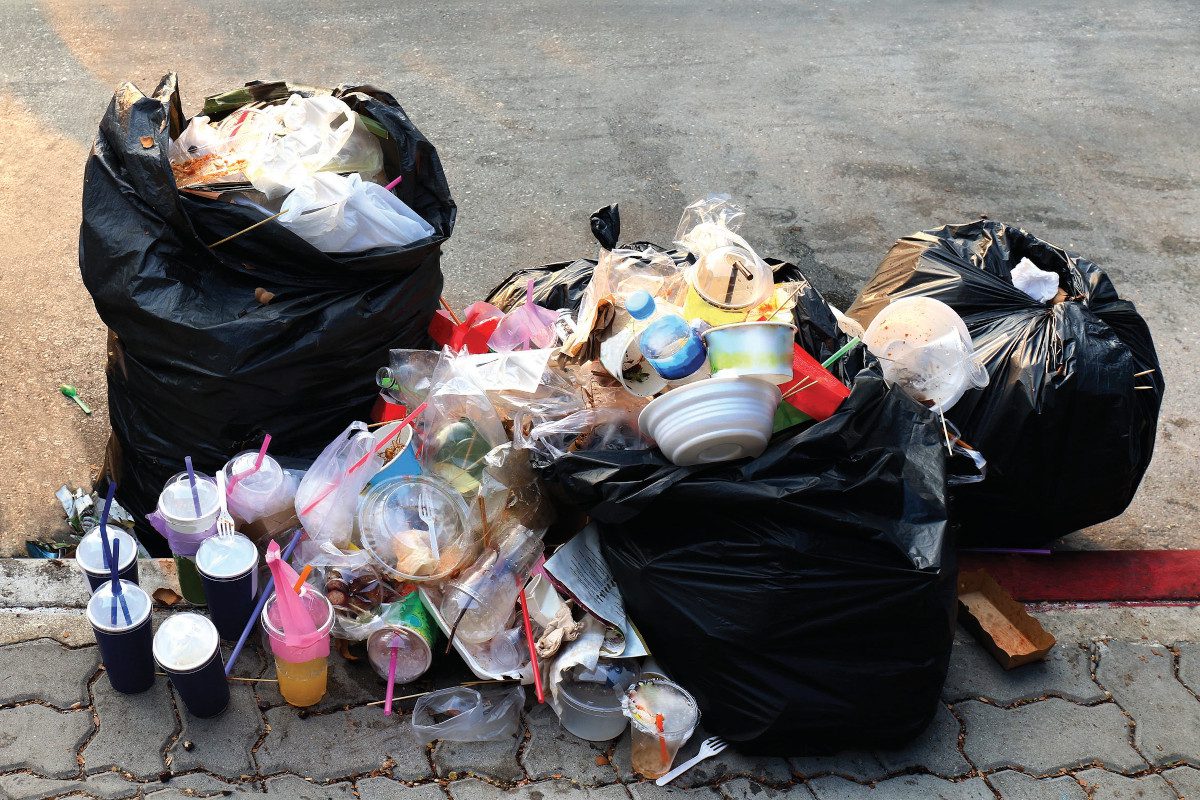
Scotland's household recycling performance has slipped, according to official figures released by the Scottish Environment Protection Agency (SEPA). The national household recycling rate fell by 1.5 percentage points to 42.8% in 2025, down from 44.3% in the previous reporting period. At the same time, the volume of waste directed to incineration expanded, while municipal waste sent to landfill maintained its long-term downward trajectory.
The retreat in recycling metrics comes despite policy commitments aimed at accelerating the transition toward a circular economy. SEPA's data indicates that municipal collection streams are increasingly diverting residual materials toward Energy from Waste (EfW) infrastructure rather than material recovery facilities. With Scottish households generating 2.31 million tonnes of waste, the shift highlights persistent challenges in kerbside collection consistency, contamination management, and public participation.
For waste management companies, packaging converters, and reprocessors across UK and cross-border supply chains, these metrics carry clear commercial and operational implications. Declining collection rates tighten the availability of clean post-consumer plastic scrap entering sorting networks. When larger volumes of mixed plastics are routed to EfW plants rather than reprocessors, the supply of secondary raw materials contracts, compounding compliance pressures under Extended Producer Responsibility (EPR) mandates and statutory recycled content targets.
From a sustainability reporting and compliance standpoint, the rise in incineration over mechanical recycling also elevates scope 3 emissions risks. As carbon pricing mechanisms and scope accounting increasingly scrutiny energy recovery, waste managers relying heavily on EfW face escalating carbon liabilities and audit risks compared to those securing direct recycling pathways.
Practical takeaway: Reprocessors and packaging converters should anticipate ongoing tightness in high-quality UK household plastic scrap. Companies should audit feedstock supply routes, explore alternative commercial recovery channels, and evaluate pre-sorting enhancements to divert valuable polymers from residual incinerator feedstocks.