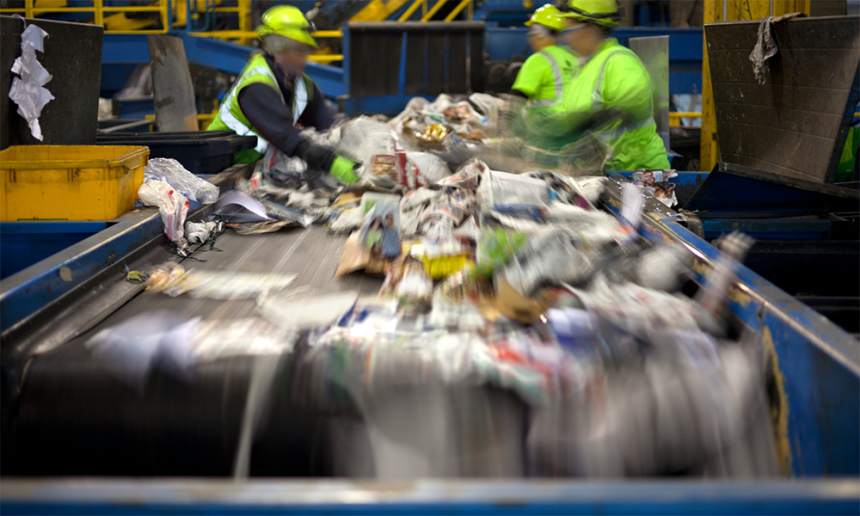
The Chartered Institution of Wastes Management (CIWM) has issued a warning regarding the financial and operational impact of the UK’s upcoming Deposit Return Scheme (DRS) on Materials Recovery Facilities (MRFs). In a report on the transition, the industry body highlights a structural risk termed the "MRF gap", where sorting facilities stand to lose prime recycling tonnage while continuing to handle residual beverage containers that remain in kerbside waste streams.
What Has Happened
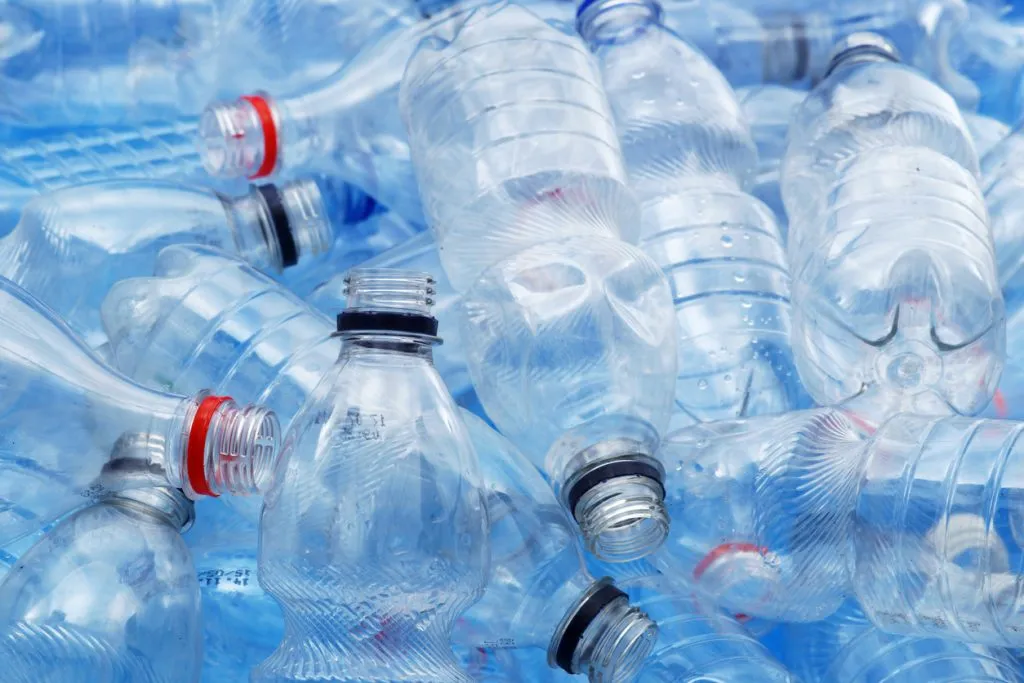
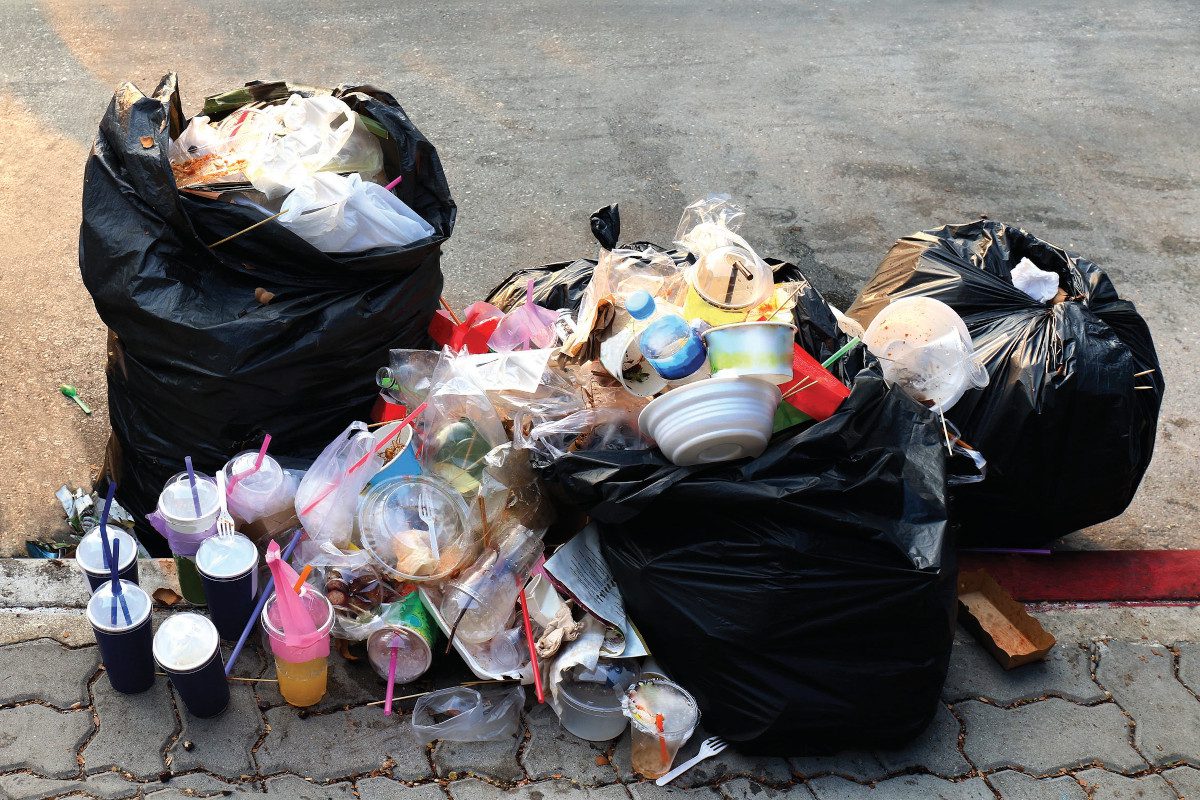
As the UK prepares to introduce its national DRS, consumers will be incentivised to return eligible beverage containers—primarily PET plastic bottles and aluminium cans—via designated collection networks rather than household kerbside bins. According to CIWM, this shift will divert the cleanest, highest-value plastic streams away from municipal MRFs. However, because kerbside capture will never reach 100%, MRFs will still receive notable volumes of drinks packaging without receiving equitable financial support to cover processing overheads.
Why It Matters
PET drinks bottles represent one of the most profitable material streams for UK waste management companies. Stripping these clean, easily recyclable rigid plastics from kerbside collections diminishes the overall commercial value of sorted bales. Furthermore, MRFs will face higher unit processing costs as overall throughput drops, while the remaining kerbside plastic fraction will likely contain a higher proportion of contaminated or non-targeted polymers. Without clear regulatory resolution, sorting infrastructure viability could be compromised.
Impact on UK and Turkish Plastics Markets
For UK packaging converters and waste management firms, the DRS rollout will alter feedstock dynamics. Converters seeking food-grade rPET may find kerbside-sourced material scarcer and of lower average quality, pushing them towards DRS-derived material streams or imported resins.
For Turkish recyclers who import UK post-consumer plastic bales, the changing composition of UK kerbside waste presents operational and commercial implications. As clean PET bottles exit municipal streams, standard exported scrap bales may exhibit lower yield rates and higher contamination levels. Turkish reprocessors will need to re-assess technical specifications and price models for UK-origin material to maintain target margins.
Practical Takeaway
Waste operators and reprocessors should audit their material composition projections and re-examine supply contracts ahead of the DRS implementation. Baling facilities and scrap buyers ought to factor anticipated yield shifts into pricing structures well before the scheme goes live.