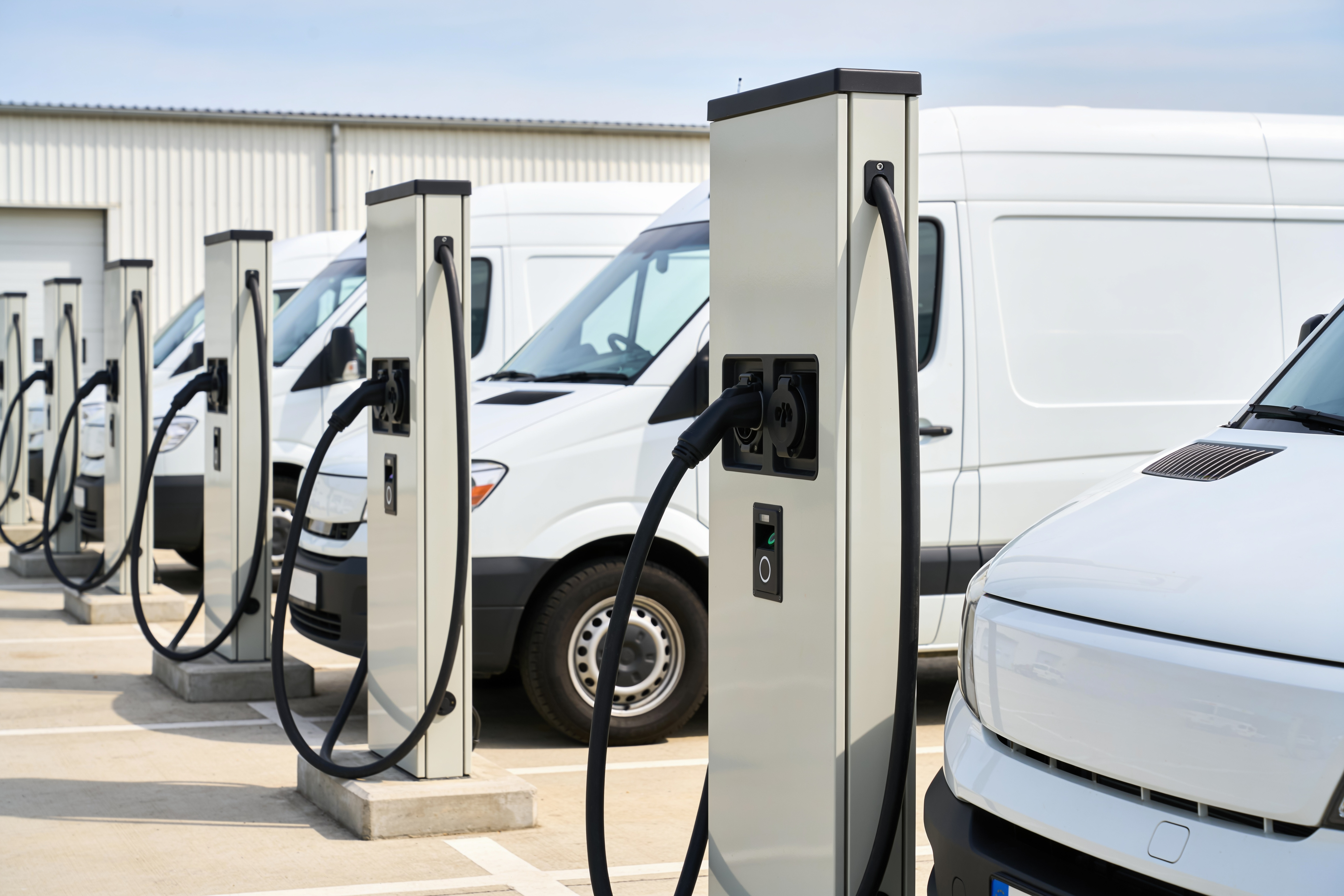
The shift towards zero-emission commercial transport reached a significant benchmark in 2025, as a clear majority of major international corporate fleets refrained from acquiring new internal combustion engine vehicles. According to a report by sustainability non-profit Climate Group, more than seven in ten participating organisations opted exclusively for electric or zero-emission alternatives when adding new vehicles to their operations over the past twelve months.
This transition reflects tightening regulatory mandates across Europe and North America, alongside growing corporate commitments to eliminate direct operational footprint. Businesses managing transport fleets face escalating expectations from investors and corporate clients to reduce emissions. The rapid adoption of commercial electric vehicles has been driven by advancing battery performance, expanding charge-point infrastructure, and improved total-cost-of-ownership dynamics across light and medium commercial transport.
For waste management companies in the UK and polymer recyclers operating across Türkiye and Europe, these findings highlight how quickly transport decarbonisation is moving from optional branding to a core commercial requirement. Collection vehicles and heavy logistics account for the bulk of operational Scope 1 emissions for waste handlers. As multinational fast-moving consumer goods (FMCG) brands enforce strict Scope 3 supply chain reduction targets, recyclers and hauliers that can offer low-carbon transport will be increasingly favoured during procurement processes.
Furthermore, EU carbon reporting regulations and UK sustainability disclosures mean cross-border logistics between Britain and Türkiye will face heightened scrutiny. Transporting recovered plastic or recycled polymers via carbon-intensive heavy diesel fleets could soon incur financial penalties or reduced market access. Recyclers and traders must prepare for tighter emissions accounting across every stage of the waste collection and freight process.
Practical takeaway: Waste management firms and logistics managers should conduct a thorough audit of their fleet emissions today. Developing a phased electrification plan and recording transport emissions per tonne of material moved will help secure ongoing access to sustainability-focused corporate supply chains.