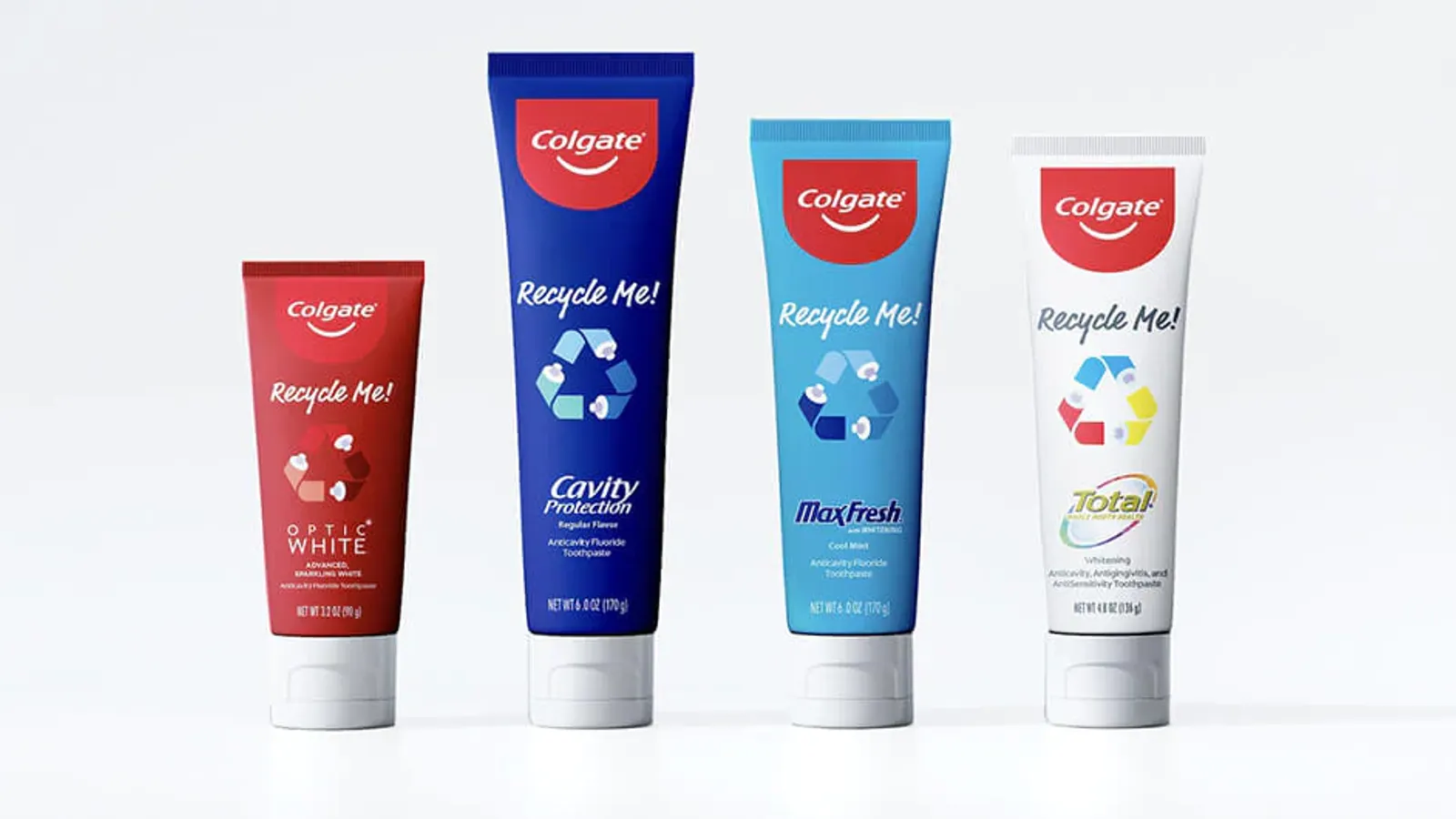
A US federal judge has set a trial date for a class-action lawsuit against Colgate-Palmolive, challenging the consumer goods giant over its claims that its high-density polyethylene (HDPE) toothpaste tubes are recyclable. Plaintiffs argue that despite the technical recyclability of the mono-material tubes, municipal materials recovery facilities (MRFs) do not actually accept or sort them, meaning they ultimately end up in landfill. To resolve the dispute, attorneys plan to subpoena major US waste management firms to gather data on whether these tubes are actively processed.
This case highlights a critical global tension in the circular economy: the gap between theoretical design for recycling and real-world infrastructure capabilities. Colgate spent years developing an HDPE tube to replace traditional multi-layer laminates, gaining technical approval from various recycling bodies. However, if municipal infrastructure cannot or will not sort the item—often due to its size, shape, or residual product contamination—the claim of recyclability faces legal jeopardy. This litigation shifts the burden of proof for green claims from laboratory validation to practical, regional sorting outcomes.
For UK packaging converters and waste management companies, this development serves as a stark warning. The UK’s Green Claims Code and incoming Extended Producer Responsibility (EPR) regulations increasingly demand that packaging claims reflect real-world recycling rates. If UK converters design mono-material packaging that domestic MRFs cannot sort due to optical detection limits or physical size, they face significant legal and reputational risks. For Turkish recyclers importing polymer scrap from the UK, this case underscores the ongoing challenge of feedstock quality; technically recyclable packaging that escapes sorting systems only increases residual waste rates at processing facilities.
The practical takeaway for the industry is clear: packaging designers must collaborate directly with waste managers and MRF operators during the design phase. Relying solely on polymer-level certifications is no longer sufficient to justify environmental claims.