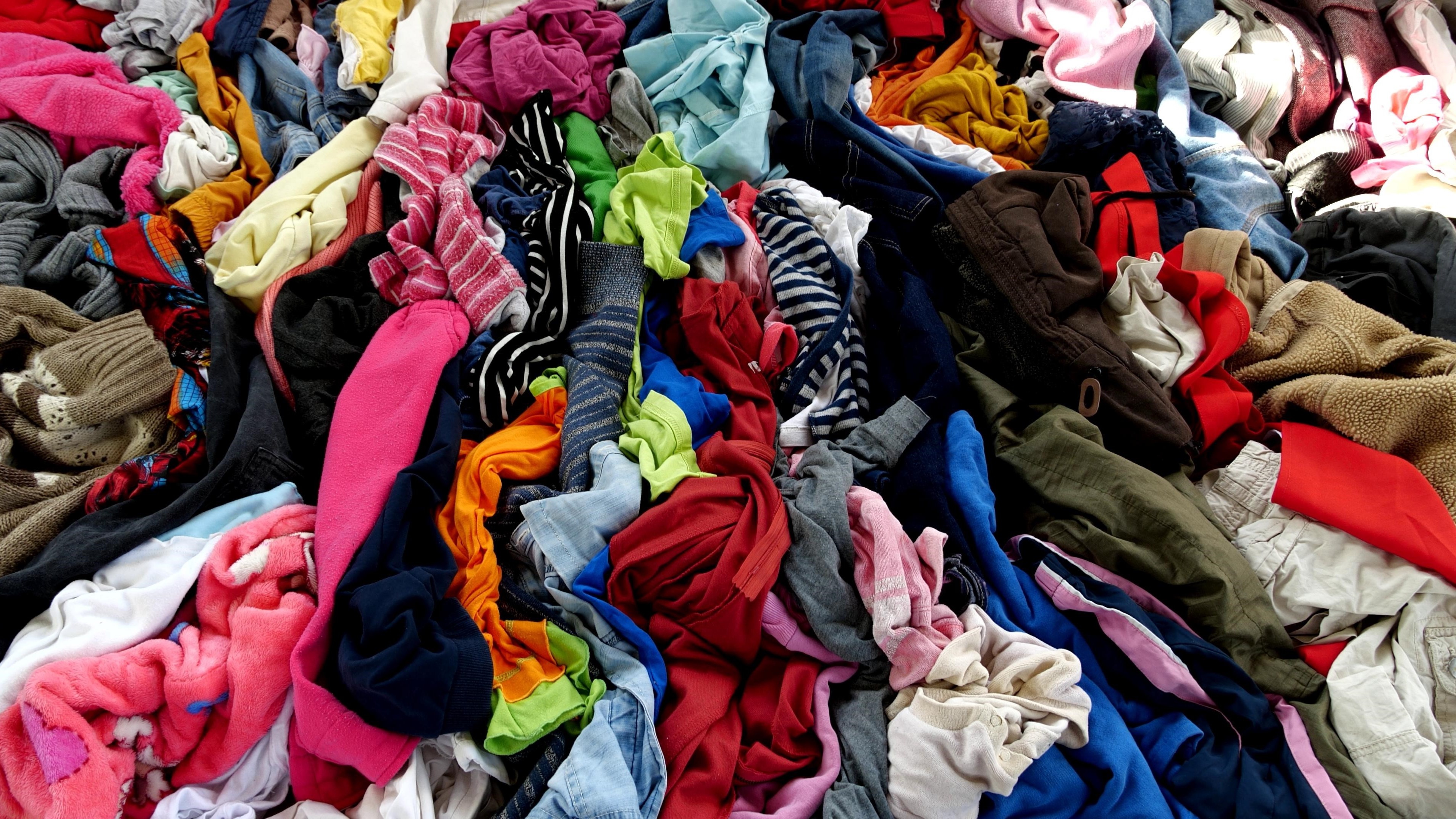
Climate action NGO WRAP has launched its Textiles Collections Transition Programme, a global initiative supported by major UK retail chains including NEXT, Primark, and Tesco. The programme is designed to tackle persistent bottlenecks in post-consumer textile collection, sorting, and reprocessing by developing scalable collection models and expanding municipal infrastructure.
The global textile industry relies heavily on synthetic polymers, particularly polyethylene terephthalate (PET) in the form of polyester, as well as polypropylene blends. As extended producer responsibility (EPR) regulations for textiles draw closer across the UK and the European Union, retail brands face mounting pressure to establish scalable end-of-life pathways for synthetic garments. Enhancing collection systems is critical to securing high-grade waste streams capable of feeding mechanical and chemical recycling pipelines, thereby reducing industry reliance on virgin fossil-based materials.
For UK waste managers and Turkish recyclers, this initiative signals a shift towards higher volumes and improved consistency in post-consumer textile feedstocks. As UK collection practices become more structured, waste contractors will see clearer segregation of synthetic materials. For Turkish recycling facilities—many of which process post-consumer polyester into re-usable recycled PET pellets or synthetic yarns—more reliable sorting upstream helps reduce processing costs and material contamination. Moreover, as mandatory carbon reporting and Scope 3 emissions targets force European brands to verify the origin of secondary materials, recyclers equipped with traceable supply chains will be best positioned to meet corporate sustainability requirements.
Practical Takeaway: Waste management companies and recyclers should review their handling capabilities for synthetic blend waste and align sorting protocols with emerging UK and EU textile collection frameworks. Preparing for greater volumes of segregated post-consumer synthetics now will allow operators to capitalize on growing corporate demand for recycled polymers.