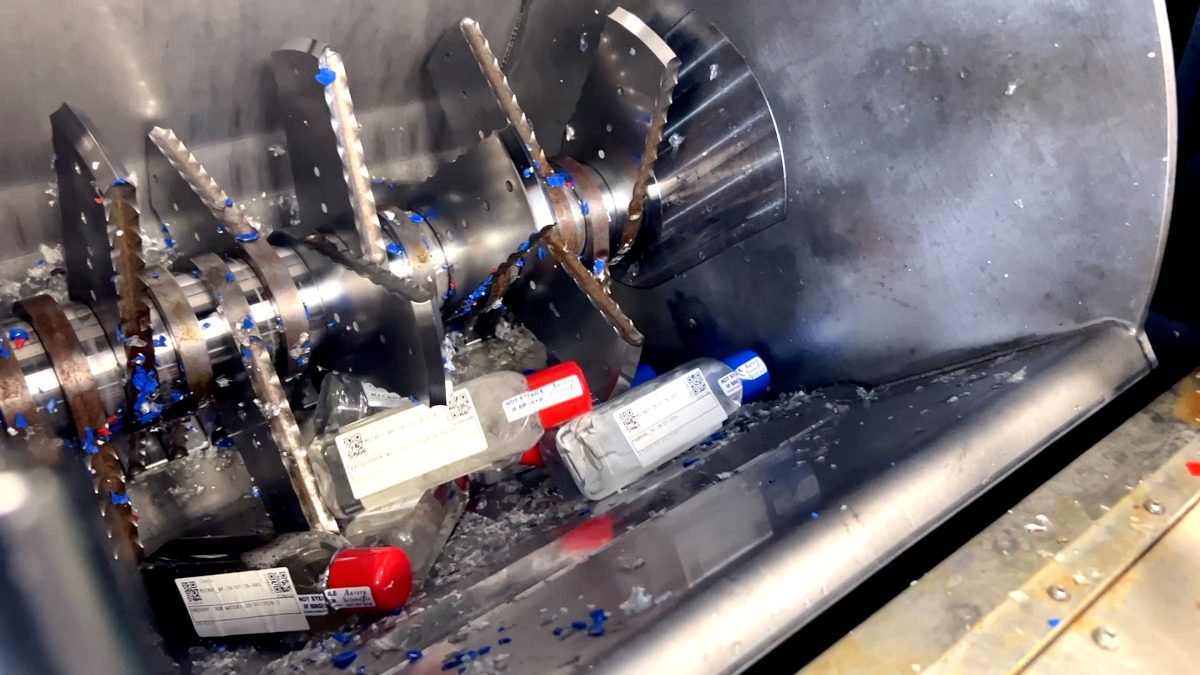
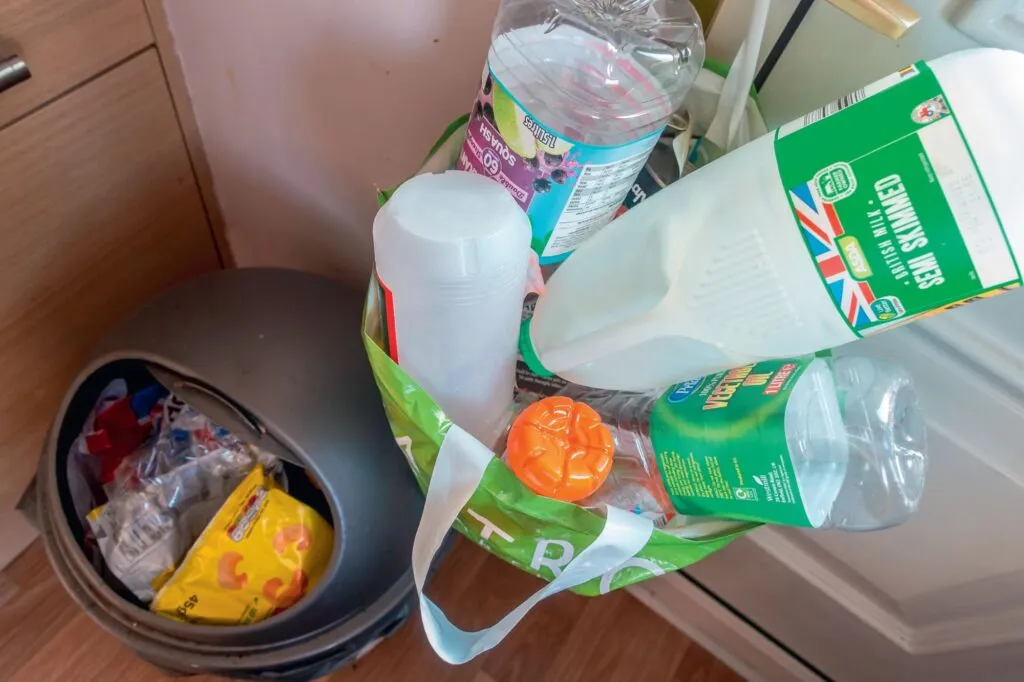
Scottish Water has introduced an innovative on-site disinfection and shredding system to recycle contaminated single-use laboratory plastics, marking a shift away from traditional disposal routes. By adopting the "GENERATIONS" technology developed by Envetec Sustainable Technologies, the utility aims to divert technical plastic waste from its laboratory operations away from landfill and incineration.
Typically, laboratory plastics are classified as biohazardous. To manage risk, these materials undergo energy-intensive autoclaving before being buried or burned. The new system treats the waste directly at the point of source, using a proprietary chemical process to disinfect and shred the plastics. This renders them safe, non-clinical, and ready for standard recycling processes.
This development is highly significant for UK waste companies and international recyclers. Laboratory consumables are frequently manufactured from high-grade polymers, such as polypropylene (PP) and high-density polyethylene (HDPE), which are highly prized by recyclers but currently lost to the circular economy. For UK waste management firms, deploying on-site pre-treatment systems presents an opportunity to capture clean, homogenous polymer streams at source, transforming a high-cost hazardous waste service into a valuable feedstock supply.
For Turkish recyclers looking to secure high-quality, post-industrial polymers, the wider adoption of such technologies in the UK is a positive trend. It promises to increase the availability of clean, pathogen-free regrinds that meet strict European import and safety standards. Furthermore, diverting these materials from incineration significantly improves the carbon footprint of the recycled resins, helping Turkish exporters satisfy the stringent decarbonisation demands of EU packaging converters.
The practical takeaway for the sector is clear: waste operators should actively partner with life science and clinical facilities to co-invest in on-site decontamination. By processing technical plastics at source, companies can bypass the regulatory and logistical hurdles of hazardous waste transport, unlocking a consistent stream of high-purity polymers.