Recycled Plastic Asphalt Shows Promise Without Increasing Microplastic Runoff
19 Ekim 2026 · Envirotec Magazine
Görsel: Envirotec Magazine
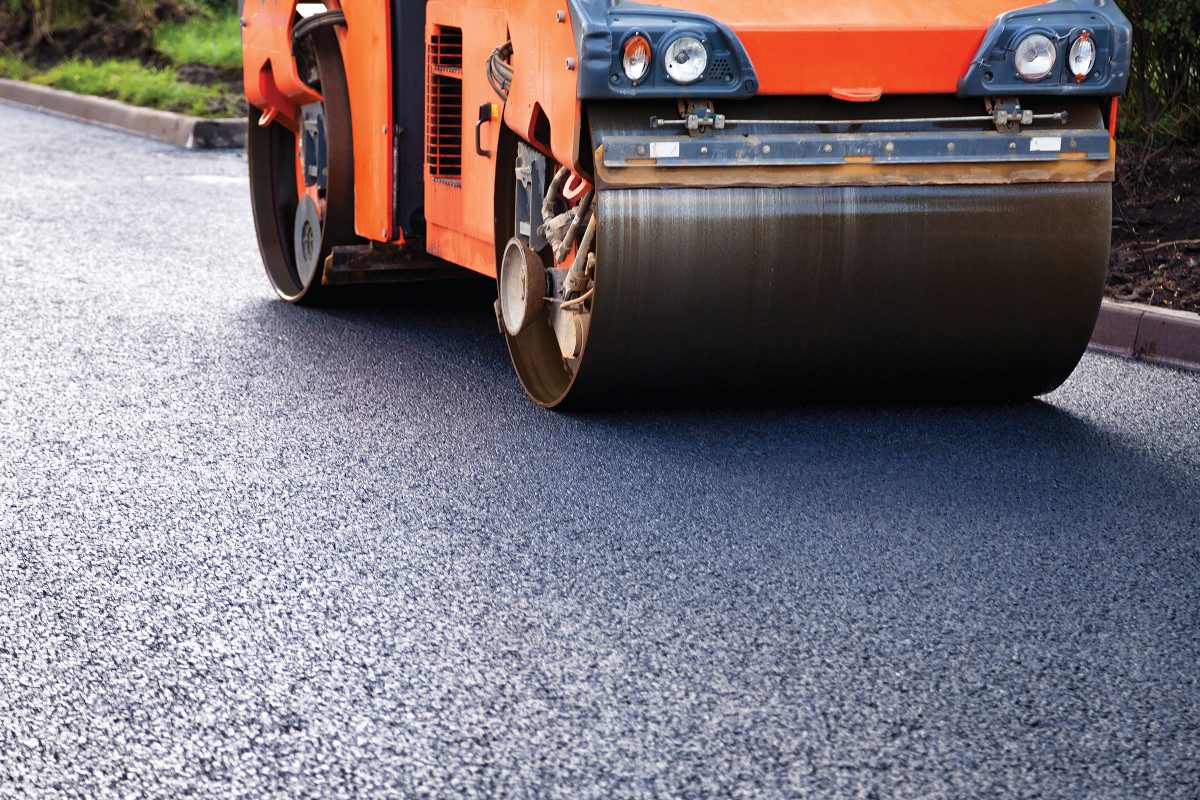
Researchers at Pennsylvania State University have published findings indicating that incorporating recycled polymers into asphalt mixtures can enhance road surface longevity without increasing the release of microplastic-like particles. The study evaluated the wear and particle shedding of polymer-modified bitumen under simulated traffic friction and environmental weathering conditions.
Civil engineering projects attempting to utilise waste plastics in road construction have frequently encountered resistance from environmental regulators and community groups. A primary objection has been the concern that surface abrasion from vehicular tires would shear the plastic-infused asphalt, shedding higher volumes of microplastics into nearby drainage systems and soils. By demonstrating that the physical integration of processed polymers into bitumen does not inherently accelerate particulate generation, this research offers a technical baseline to counter those environmental objections.
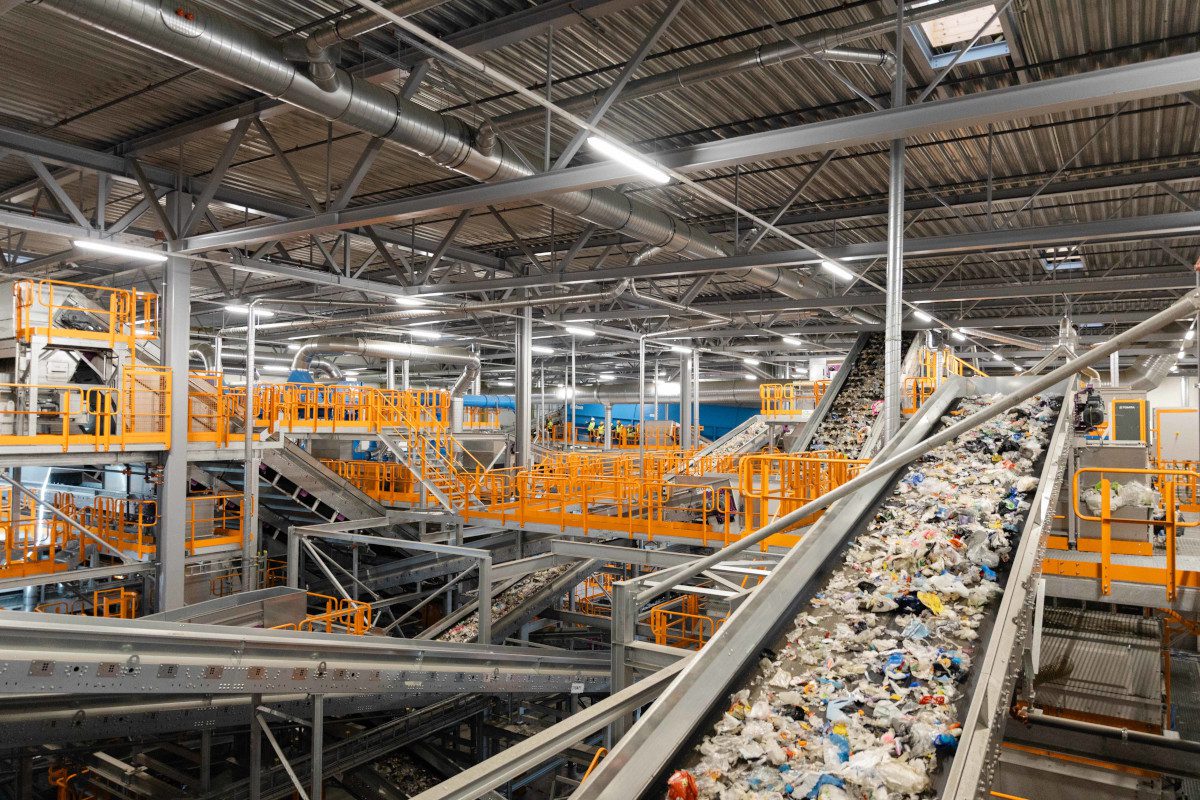
For UK waste management firms and Turkish plastics recyclers, the development of scalable infrastructure applications provides a vital sink for low-grade or heavily contaminated polymers. While mechanical recycling into high-purity pellets remains the principal commercial objective for packaging-grade resin, establishing validated industrial end-markets for mixed polyolefins—such as low-density polyethylene (LDPE) and polypropylene (PP) film fractions—helps lower landfill liabilities and supports corporate carbon reduction targets. Expanding the range of verified end-use applications strengthens compliance profiles under evolving Extended Producer Responsibility (EPR) regulations by ensuring reliable secondary outlets when primary polymer markets experience downturns.
Practical takeaway: Waste processors and recyclers should track municipal infrastructure trials and emerging civil engineering standards for polymer-modified bitumen. While field testing remains necessary before large-scale adoption, developing stable feedstock specifications for asphalt blending will allow suppliers to capture value from difficult-to-recycle plastic streams.
Reported by Envirotec Magazine — original article
Editör ekibimiz tarafından yapay zekâ desteğiyle derlenmiştir. Kaynaklara yukarıdaki bağlantılardan ulaşabilirsiniz.