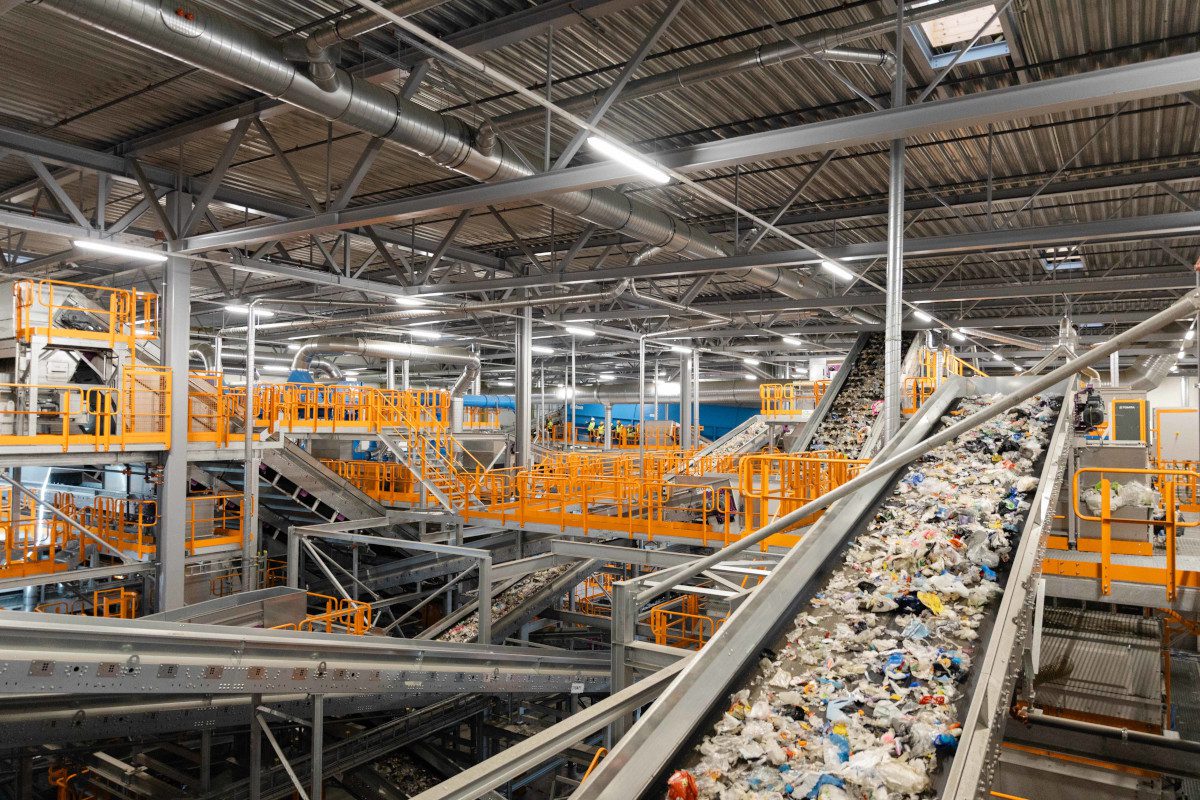
A new white paper published by sorting technology specialist TOMRA highlights the significant volume of recyclable materials, particularly flexible and rigid plastics, currently lost to incineration and landfill. The report argues that municipal waste management systems rely too heavily on the assumption that residual waste contains negligible recyclable content. Even in regions with established kerbside source-separation schemes, substantial quantities of valuable polymers continue to end up in mixed household waste streams.
The publication advocates for the widespread adoption of Mixed Waste Sorting (MWS) as an automated secondary recovery layer prior to final disposal. According to the study, relying exclusively on householder source separation leaves what TOMRA terms "an overlooked opportunity" for resource recovery untapped, ultimately undermining circular economy targets across Europe and the UK.
Why It Matters
As municipal waste infrastructure faces tighter environmental regulations, incinerating plastic-rich residual waste is becoming economically and environmentally untenable. Residual waste streams frequently contain recyclable packaging polymers such as PE, PP, and PET that could be diverted into reprocessing streams if passed through modern automated sorting facilities equipped with near-infrared sensors. Capturing these materials is critical to meeting statutory recycling targets and supplying secondary markets with reliable polymer volumes.
Impact on UK Waste Operators and Turkish Recyclers
For UK waste management operators, the report’s findings align directly with the upcoming inclusion of Energy-from-Waste (EfW) facilities in the UK Emissions Trading Scheme (ETS). Unsorted plastic in residual waste directly increases fossil carbon emissions during combustion, which will trigger substantial financial liabilities under carbon pricing mechanisms. Implementing pre-incineration MWS allows operators to reduce fossil carbon output, mitigate ETS costs, and extract commercial value from recovered plastics.
For Turkish recyclers and packaging converters, wider adoption of MWS across UK and European waste management networks signals a potential long-term increase in secondary feedstock availability. Advanced pre-sorting infrastructure yields cleaner, better-defined waste fractions, facilitating compliance with international shipping regulations and providing higher-quality raw materials for secondary processing.
Practical Takeaway
Waste contractors and municipal operators should audit the polymer composition of their residual waste streams to quantify lost material value and evaluate MWS integration ahead of expanding carbon tax liabilities.