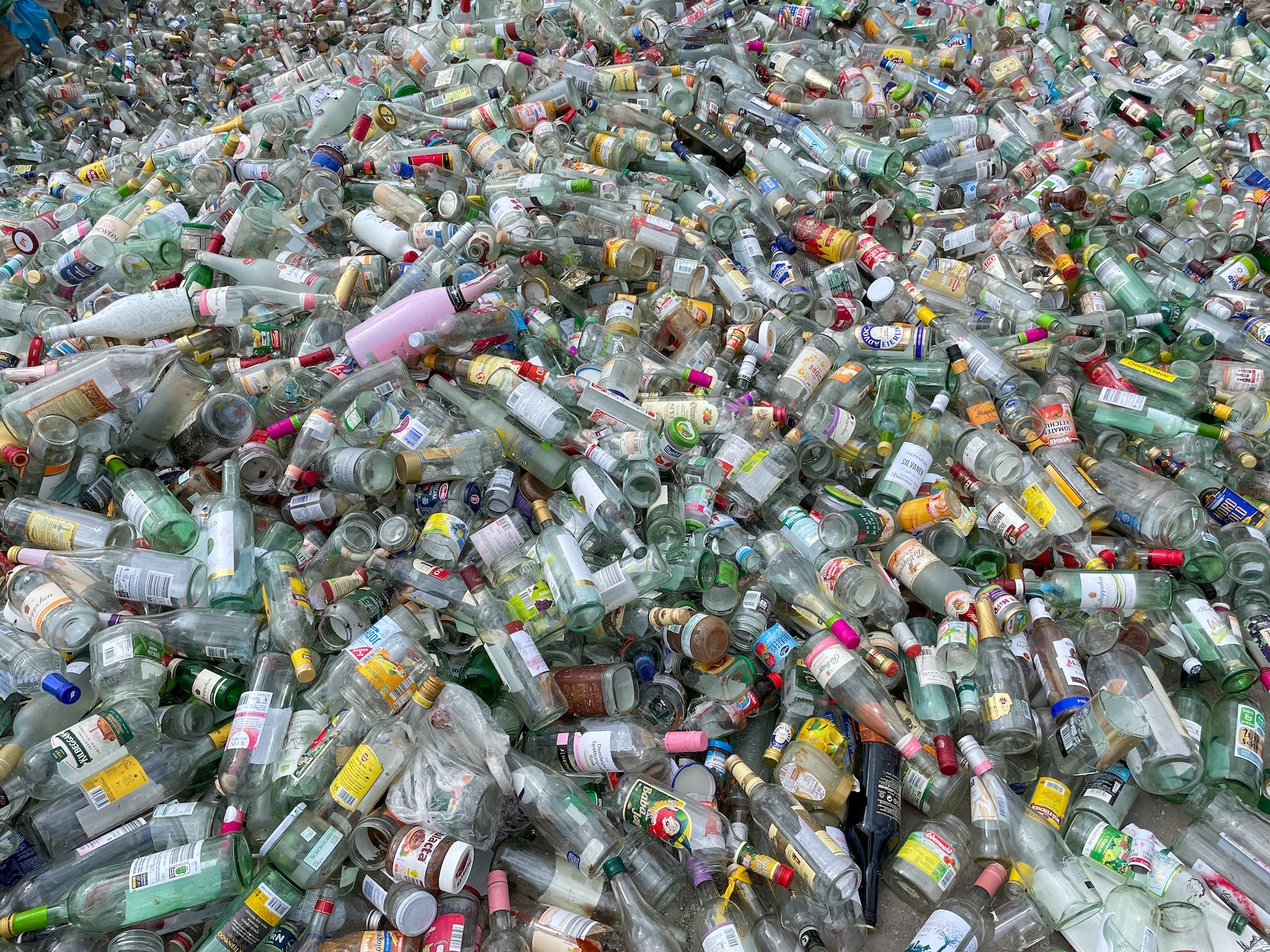
Recent analysis from European glass recycling federation FERVER highlights a growing paradox in resource recovery: while glass collection volumes across Europe are approaching 2030 targets, material contamination at reprocessing facilities is escalating. Despite strong public participation at collection points, non-recyclable ceramics, heat-resistant glassware, and foreign debris are increasingly entering processing streams, driving up re-sorting costs and energy expenditure for reprocessors.
This trend demonstrates the clear limits of targeting raw collection tonnage without safeguarding feedstock purity. FERVER warned that "tonnage is not everything" when assessing circular efficiency. For reprocessors, handling heavily contaminated material erodes commercial margins through increased equipment wear, process downtime, and higher reject disposal costs. Furthermore, high-specification applications suffer; flat glass recycling into original applications remains suppressed due to strict purity demands that mixed collection systems fail to satisfy.
To mitigate these systemic costs, waste managers and materials buyers must prioritise source-segregation and enforce stricter acceptance thresholds at the gate, rather than relying entirely on post-collection mechanical sorting.
For UK waste management companies and Turkish plastics reprocessors, the structural issues observed in glass recovery serve as an important parallel for polymer streams. As regulatory frameworks like the UK Extended Producer Responsibility (EPR) and evolving EU packaging mandates demand greater accountability, material quality directly dictates regulatory compliance and operational viability. Turkish recyclers processing imported post-consumer plastics face severe margin erosion when contamination inflates shipping costs per net yield of usable resin. Ensuring clean, well-segregated collection channels in the UK market is critical to reducing carbon footprints, controlling processing expenses, and maintaining legal compliance across transboundary waste supply chains.