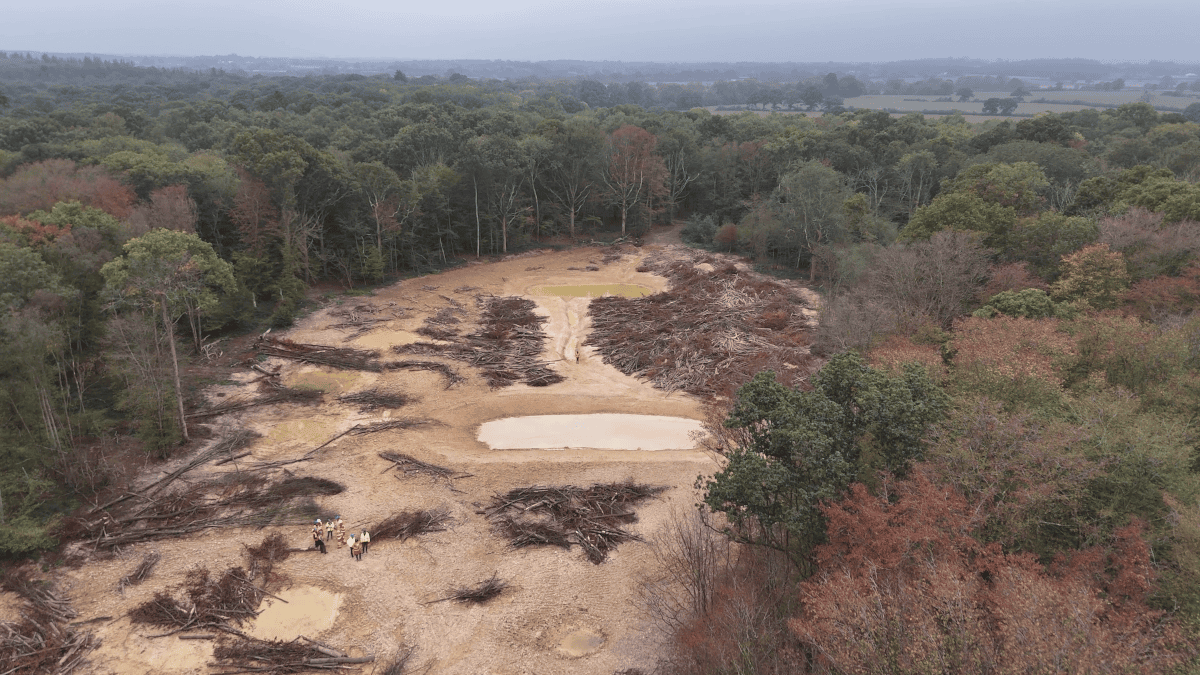
The UK Environment Agency (EA) has concluded a major remediation project in Kent, removing nearly 40,000 tonnes of illegally deposited waste from Hoad’s Wood. The clearance operation, which commenced in June 2025, incurred an estimated cost of £15.5 million. The site, an ancient protected woodland, has now been cleared for natural recovery while regulatory authorities continue a formal criminal investigation into those responsible.
This operation represents one of the largest land remediation projects undertaken by UK regulators in recent years. Beyond the immediate ecological damage to a sensitive habitat, the sheer scale and financial burden highlight the persistent challenge of waste crime within the domestic waste management infrastructure. Environmental enforcement agencies are under mounting pressure to clamp down on illegal disposal operations and untracked waste streams.
For UK waste management companies, plastic recyclers, and material exporters, this incident serves as a stark reminder of supply chain duty of care obligations. Regulatory bodies are increasingly focusing on strict chain-of-custody tracking from waste origin to final disposal or recovery. As the EA ramps up enforcement against illegal operators, legitimate businesses must expect greater scrutiny regarding waste transfer notes, digital tracking compliance, and third-party broker audits. Failing to verify the legitimacy of downstream waste handlers carries severe legal and financial liabilities.
The key practical takeaway for waste handlers and packaging converters is to review third-party logistics and broker arrangements immediately. Companies should verify environmental permits, ensure digital waste tracking documentation is fully up to date, and conduct regular compliance checks across all waste management partners.