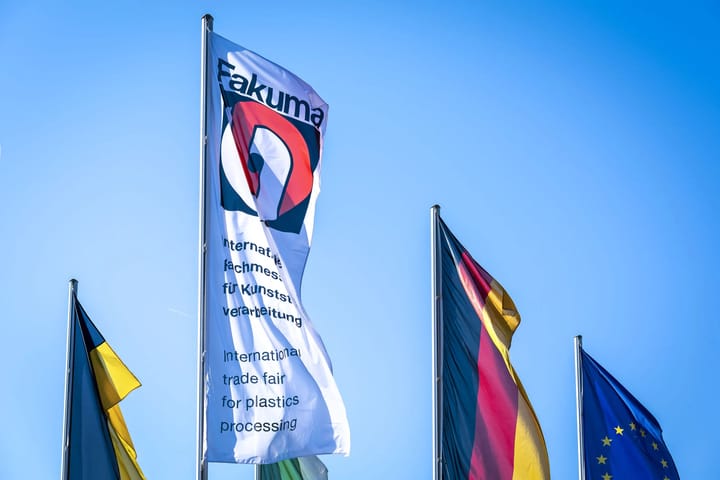
Industry leaders at the Fakuma trade fair convened to address the persistent structural and economic challenges confronting the European plastics sector. The round table discussion highlighted a combination of advanced recycling practices, artificial intelligence integration, and stronger trade association collaboration as essential mechanisms for securing long-term operational resilience.
The European plastics processing sector continues to grapple with sluggish demand, elevated energy costs, and stringent regulatory frameworks surrounding carbon emissions and mandatory recycled content targets. In response, processing machinery manufacturers and polymer producers are shifting focus from pure volume expansion toward resource efficiency and digital integration. The deployment of AI tools within processing and sorting operations was identified as a critical driver for reducing scrap rates, optimising energy consumption, and maintaining product consistency despite feedstock variability.
Why this matters to the broader supply chain is clear: operational competitiveness in Western Europe now depends heavily on the speed at which secondary raw materials can be seamlessly integrated into primary manufacturing processes. Without automated quality assurance and reliable scrap streams, converters face escalating compliance costs under incoming packaging waste legislation across the continent.
Impact on UK–Türkiye Plastics Trade and Recyclers
For UK waste management firms and Turkish reprocessors, these developments underscore a shifting competitive landscape. UK exporters sending plastic scrap or post-consumer resin to Türkiye must prepare for higher quality thresholds as Turkish converters align their finished outputs with strict EU circular economy requirements. The emphasised adoption of AI and automated sorting in mainland Europe means Turkish processors using legacy systems will need to upgrade technology to handle variable UK waste streams efficiently. Furthermore, packaging converters in both jurisdictions must leverage advanced monitoring to prove the carbon footprint and recycled content of their end products to European buyers.
Practical Takeaway
UK waste collectors and Turkish reprocessors should prioritize digital tracking and quality-assurance technologies at the sorting phase to ensure scrap streams meet the exact purity specifications demanded by high-efficiency European converters.