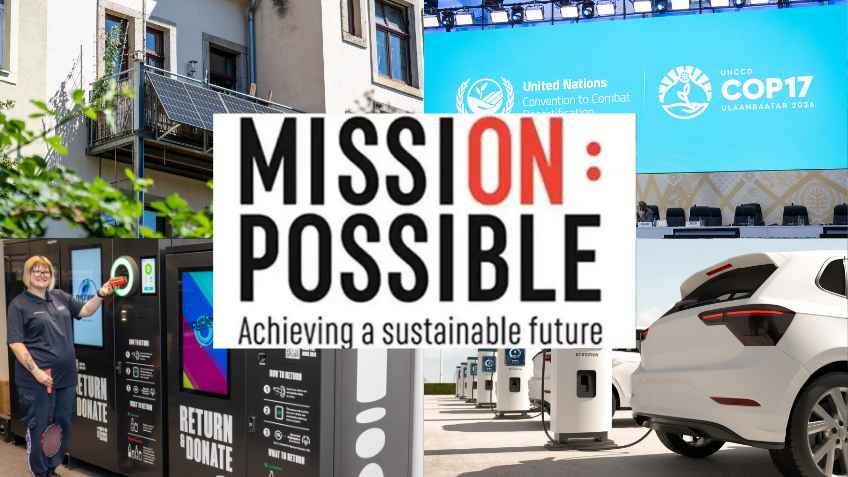
The deployment of localized Deposit Return Schemes (DRS) at major public events, such as the recent trials at the Special Olympics, is providing vital operational data as European nations prepare for nationwide rollouts. These event-based initiatives demonstrate the viability of closed-loop collection systems in high-footfall environments, capturing clean, single-stream plastic beverage containers before they enter contaminated municipal waste streams.
For the plastics recycling sector, the success of these trials is directly linked to feedstock quality. Traditional co-mingled recycling collections often suffer from high contamination rates, which degrade the value of recovered polymers and complicate the sorting process. In contrast, DRS systems consistently yield high-purity polyethylene terephthalate (PET) and high-density polyethylene (HDPE) fractions. These clean streams are essential for converters aiming to meet stringent food-contact material standards without incurring excessive pre-processing costs.
Significance for UK–Türkiye Plastics Trade
For UK waste management firms and Turkish recyclers, developments in DRS infrastructure are highly consequential. The UK's planned DRS rollout will fundamentally restructure domestic feedstock availability. While a national scheme will increase the volume of high-quality rPET and HDPE collected, it may also tighten the supply of exportable baled bottles as UK domestic reprocessors bid for these premium streams.
Turkish recyclers, who rely heavily on imported UK polymer waste to feed their high-capacity extrusion lines, must closely monitor these collection dynamics. A shift toward cleaner, domestic-only loops in the UK could force Turkish operators to adjust their sourcing strategies or invest in advanced washing technologies to process lower-grade alternative inputs.
Practical Takeaway
UK waste companies and packaging converters should use the data from these localized DRS trials to refine their sorting and logistics infrastructure. Preparing for highly segregated feedstock streams now will ensure compatibility with future national collection frameworks and help maintain stable supply relationships with international recycling partners.