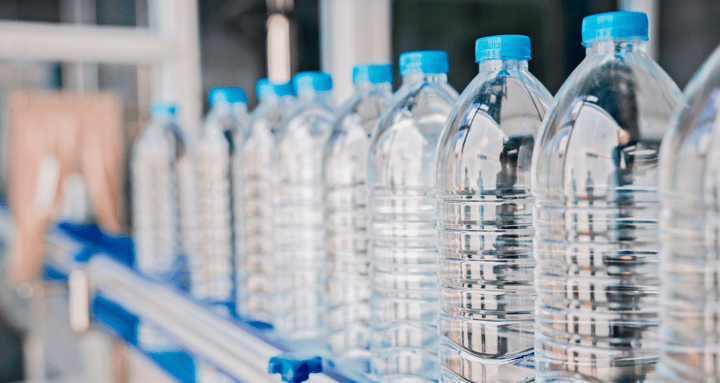
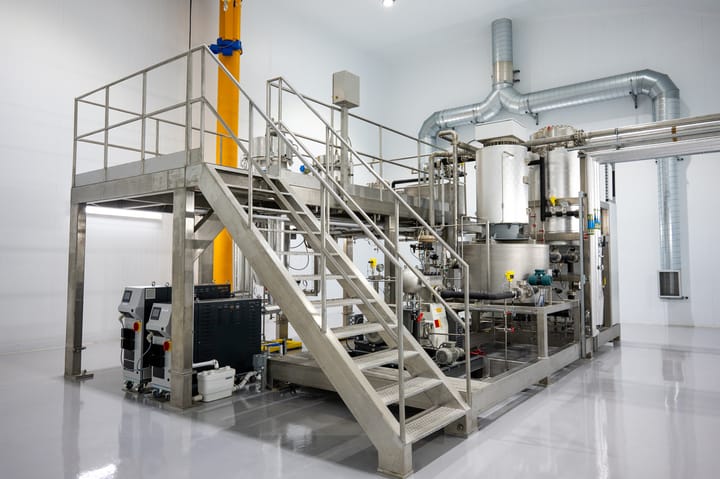
US beverage producer Niagara Bottling and climate technology company Rhea’s Factory are set to conduct an industrial trial validating enzymatic PET recycling technology. Supported by a $3 million grant from the US Department of Energy (DOE), the validation project will take place at a California facility. The pilot centres on utilizing biological enzymes to break down post-consumer PET packaging into its base monomers, enabling the material to be reconstructed into virgin-quality resin suitable for food-contact packaging.
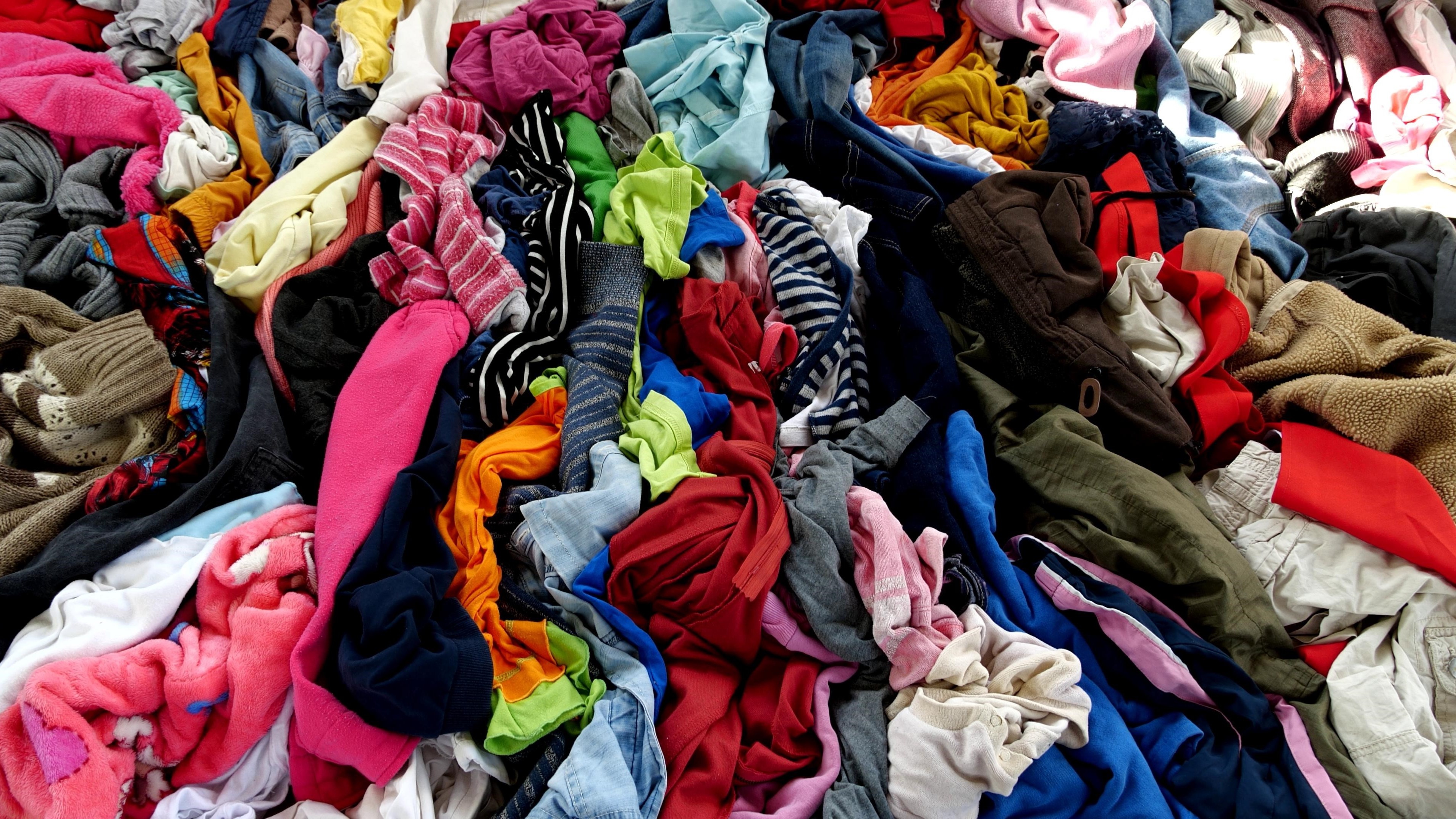
Enzymatic depolymerisation represents an advancing route within advanced recycling, operating under milder thermal conditions than traditional pyrolysis or gasification methods. If successfully scaled, this biological approach allows lower-quality, opaque, or heavily contaminated PET waste—which often bypasses mechanical recycling streams—to be processed back into food-grade rPET without the polymer degradation typically associated with repeated mechanical heat cycles. This could substantially expand feedstock availability as global demand for high-purity recycled resins accelerates.
For UK waste managers, packaging converters, and Turkish reprocessors, the commercial progression of enzymatic PET recycling carries notable long-term implications. For Turkish recyclers exporting rPET flake and food-grade pellet into the UK and EU, enzymatic processes could eventually provide a mechanism to achieve strict European Food Safety Authority (EFSA) and UK Food Standards Agency purity standards using lower-grade scrap fractions. From an environmental and compliance standpoint, biological recycling routes could also influence Life Cycle Assessment (LCA) metrics and Scope 3 carbon calculations for converters managing obligations under the UK Plastic Packaging Tax (PPT). However, energy requirements and enzyme catalyst costs remain critical variables that will dictate whether biological depolymerisation can compete economically with established mechanical recycling across European supply chains in the near term.
Practical Takeaway: Packaging buyers and recyclers should follow industrial-scale enzymatic trials to evaluate future food-grade rPET supply streams, while continuing to prioritize high-yield mechanical sorting techniques to meet immediate regulatory content mandates.