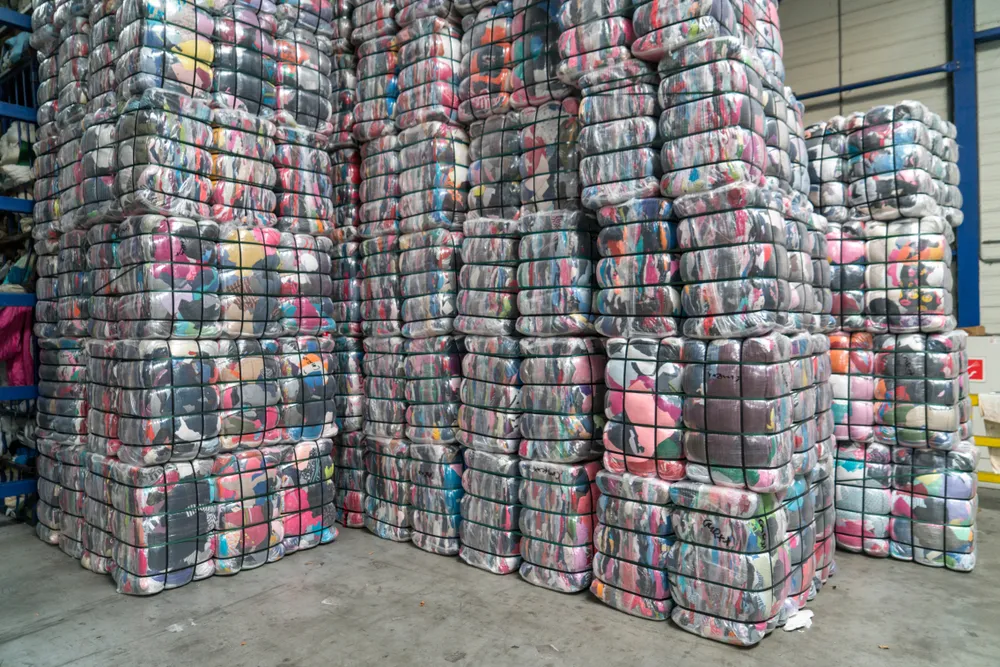
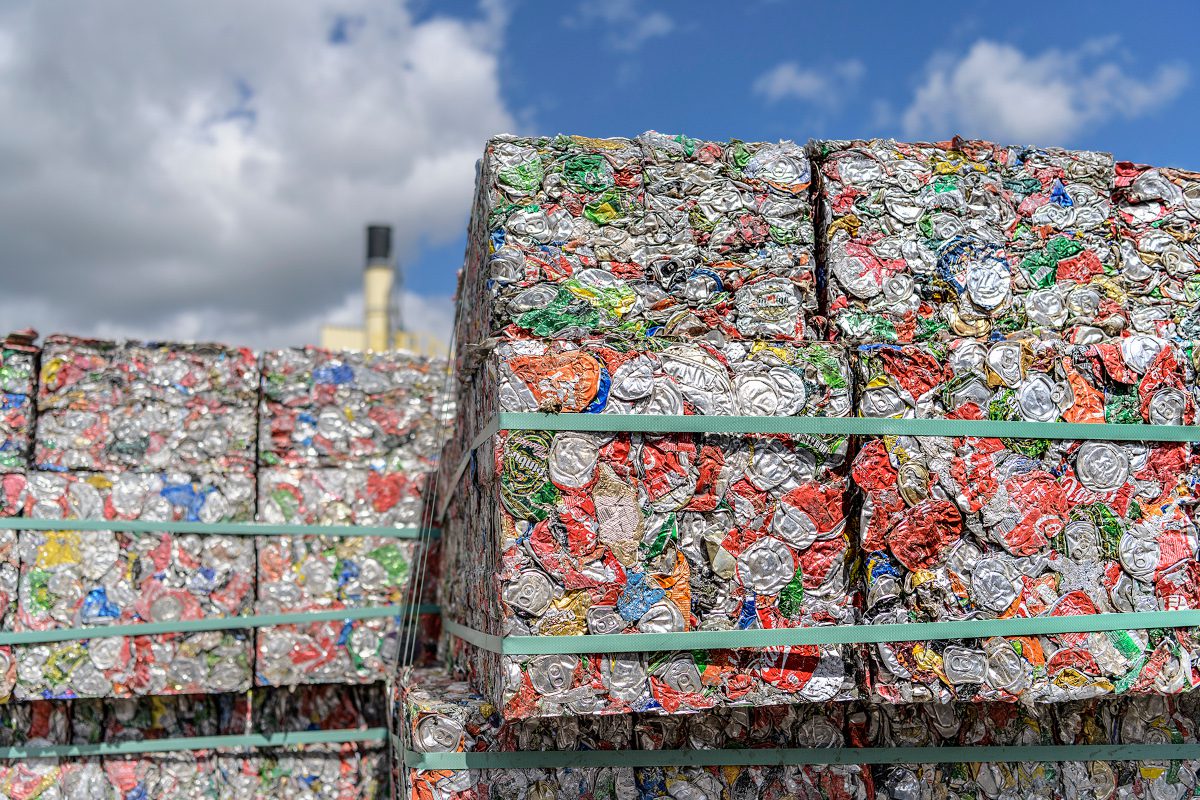
Discussions surrounding the European Union’s proposed Extended Producer Responsibility (EPR) framework for textiles are intensifying, as an industry briefing hosted by Reconomy detailed key operational considerations for the sector. The forum examined how upcoming legislative requirements will mandate dedicated collection, sorting, and recycling targets for textiles across EU member states, alongside financial contributions from producers based on eco-design criteria.
While the primary focus of the policy is garment and household textile waste, the structural mechanisms mirror those established under EU packaging waste regulations. The framework introduces eco-modulation of fees, penalising hard-to-recycle synthetic blends while rewarding products designed for durability and reprocessability. As synthetic fibres—predominantly polyester (PET) and polypropylene (PP)—account for a significant share of global textile production, the policy directly impacts the broader polymer and waste management sectors.
Why it matters for UK and Turkish operators
For Turkish recyclers and textile manufacturers, the EU remains a primary export market. As European buyers face mandatory EPR compliance and strict circularity metrics, Turkish suppliers will increasingly be required to provide certified recycled content and transparent supply chain data. This aligns with broader European requirements for digital product passports and traceable recycled materials.
For UK waste management companies and reprocessors, the developments offer a roadmap of regulatory direction. Although the UK is establishing its own waste strategy post-Brexit, alignment with EU standards often remains necessary for UK companies managing cross-border material flows or servicing multinational brands. Furthermore, understanding the interaction between textile polymer recovery and traditional rigid packaging recycling will be crucial as synthetic fibre recovery infrastructure expands.
Practical takeaway
Operators handling synthetic materials and post-consumer waste streams should audit their material traceability protocols and evaluate how eco-design mandates in the EU will alter demand for recycled polymers over the coming regulatory period.