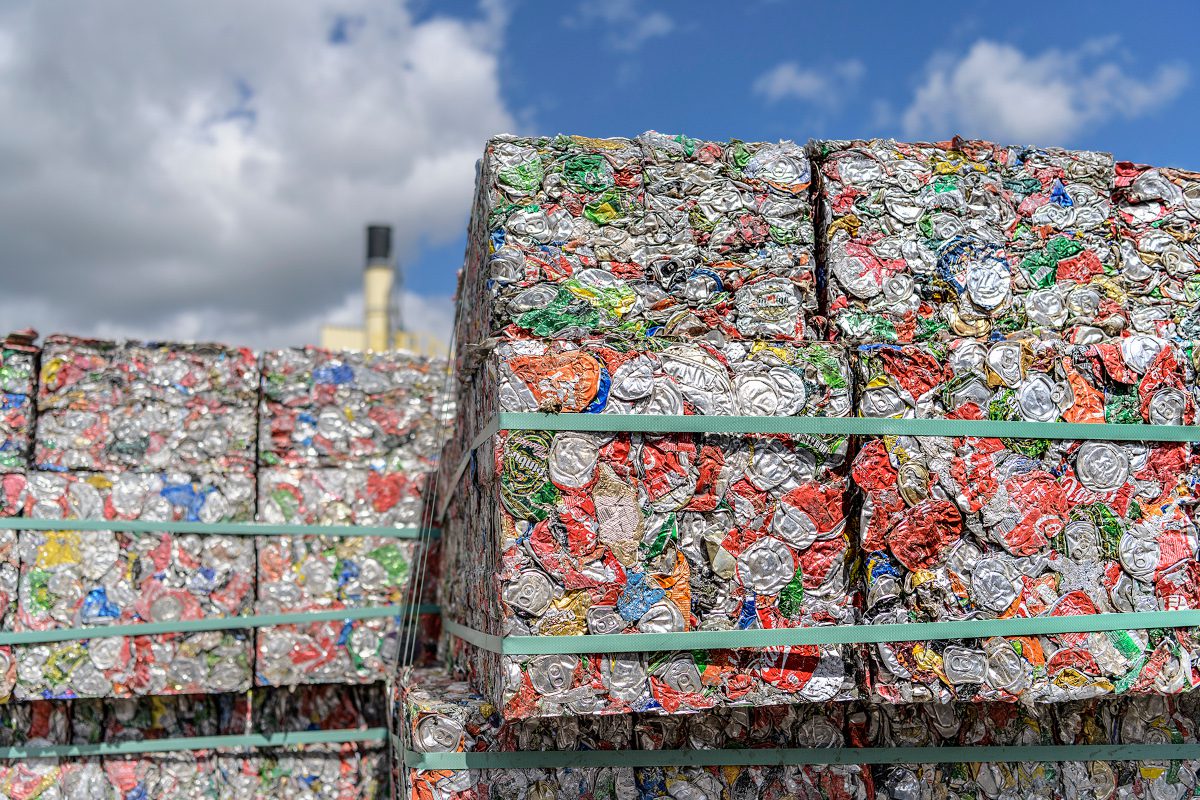
Artificial intelligence monitoring across waste management facilities has revealed a notable performance gap in the sorting of metal packaging. Analysis conducted by waste intelligence company Greyparrot indicates that aluminium aerosol cans achieve a sorting success rate of 68 per cent, substantially lower than the 85.3 per cent recovery rate recorded for standard aluminium beverage cans. The disparity underscores persistent technical challenges in automated Material Recovery Facility (MRF) environments when processing pressurised or misshapen containers.
The reduced capture rate for aerosols stems primarily from physical characteristics that hinder optical sorting equipment and ballistic separators. Crushed cans, lingering propellants, and safety precautions surrounding potential explosion risks frequently cause aerosols to be misidentified or directed into residual waste streams. This loss represents a missed opportunity for high-value metal recovery and weakens overall circular economy performance. As automated computer vision and AI monitoring become standard across modern sorting plants, granular recovery gaps that were previously hidden in aggregate data are becoming increasingly visible to facility operators.
A practical takeaway for sorting facilities is to implement target-specific pre-sorting protocols alongside updated optical recognition models. Adjusting air jets and sensor thresholds specifically for three-dimensional light-gauge metal can significantly reduce the volume of recyclable items falsely rejected into heavy residual fractions.
For UK waste management firms and international recycling operators, these findings demonstrate the growing necessity of real-time waste composition auditing to satisfy stringent carbon reporting and circularity compliance targets. Inaccurate recovery assumptions directly impair Scope 3 emissions calculations and artificially depress the volume of verified secondary raw materials available for reprocessing. As UK Extended Producer Responsibility (EPR) regulations and European packaging design mandates tighten, recyclers must demonstrate verified recovery yields rather than relying on estimated throughput. Investing in precise sorting analysis enables processors to defend compliance audits, lower operational waste penalties, and improve the purity of output streams.