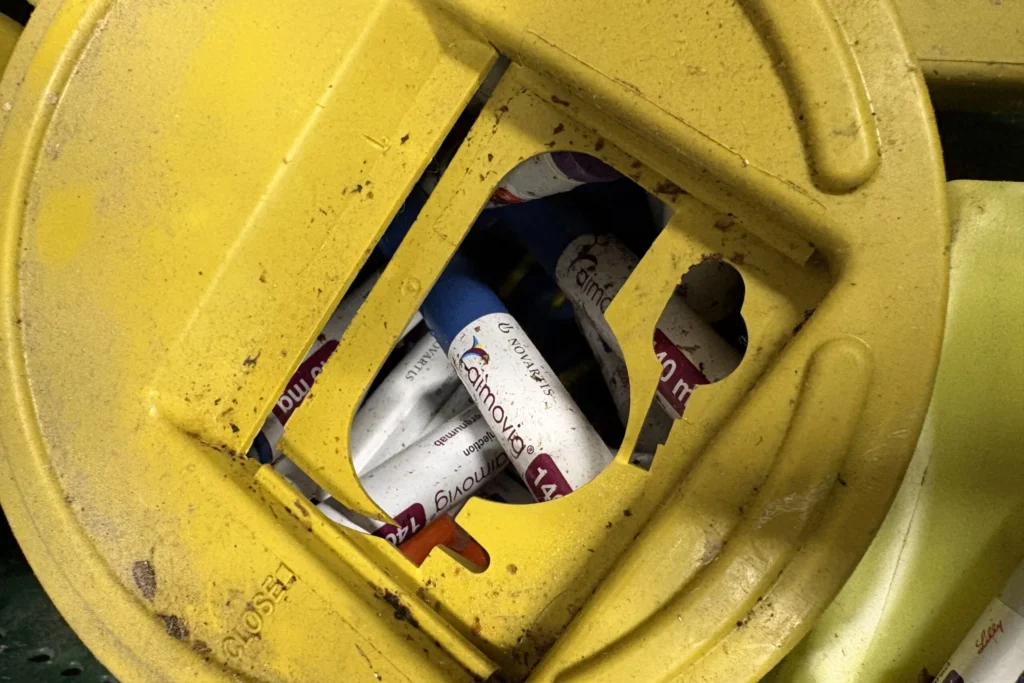
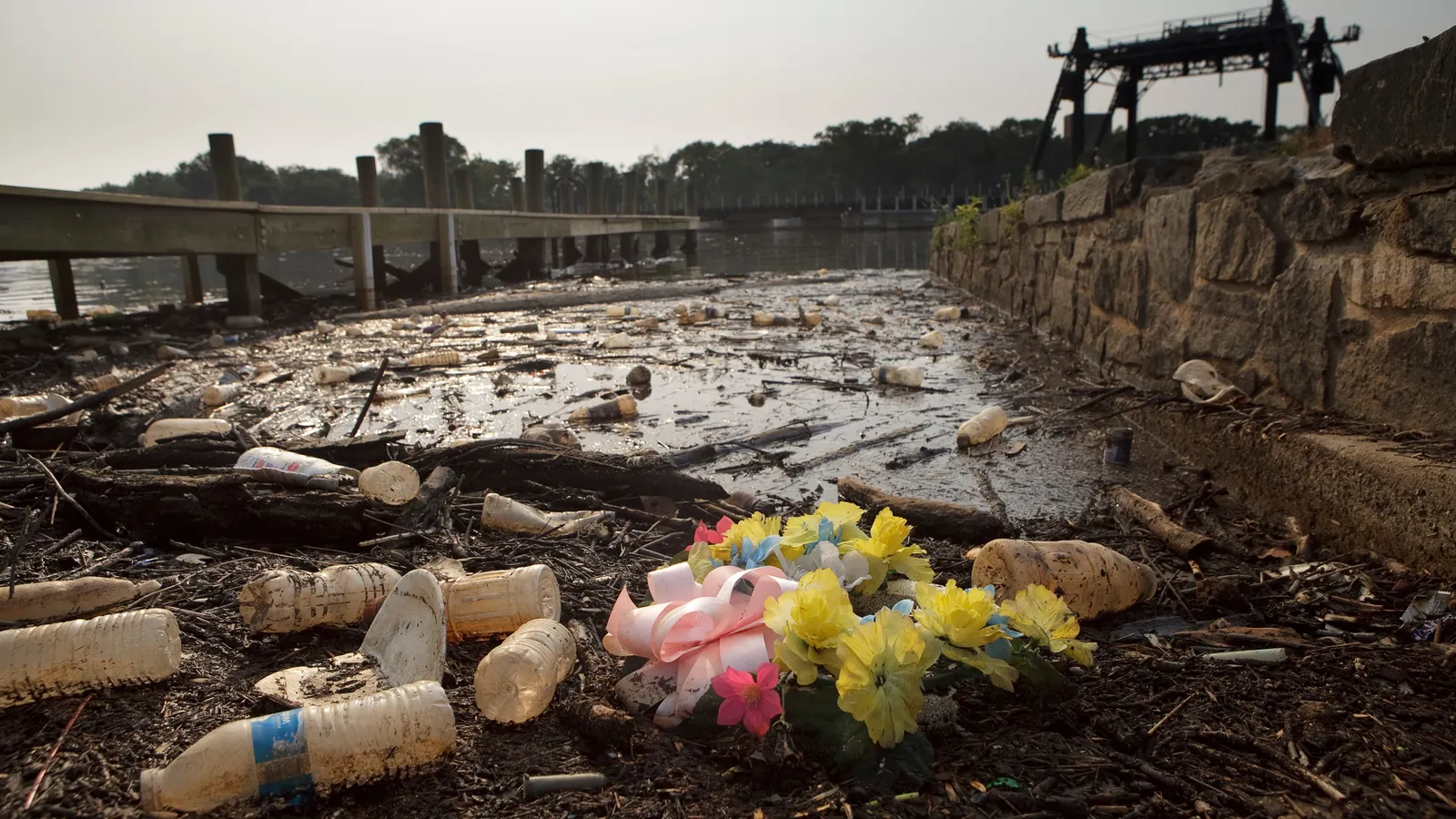
A pilot scheme funded by the Chartered Institution of Wastes Management (CIWM) has seen fifteen designers collaborate on new concepts to mitigate the environmental and safety hazards of disposable vapes. The initiative focuses on reducing product waste, preventing waste-facility fires, and improving the recovery of lithium batteries and plastic casings.
Disposable vapes have rapidly become a major headache for the waste and recycling sector. When thrown into standard recycling or residual waste bins, their lithium-ion batteries are easily damaged by processing equipment, leading to frequent and severe fires in Material Recovery Facilities (MRFs) and collection vehicles. Furthermore, the complex assembly of these devices makes extracting high-quality polymers and valuable metals economically unviable for standard recycling lines.
For UK waste companies, this design pilot represents a crucial step toward addressing a significant operational risk. Vape-induced fires disrupt operations, drive up insurance premiums, and threaten worker safety. By redesigning these products for easier disassembly, manufacturers could significantly reduce the volume of hazardous electronics entering general waste streams.
For Turkish recyclers and polymer processors, the development of circular design principles for complex consumer goods is equally important. As European and UK regulations tighten around producer responsibility and circularity, the ability to cleanly separate plastics from electronic components will dictate the quality of post-consumer recyclate. Improved product design at the source will eventually yield cleaner, more homogenous polymer streams for secondary markets.
The practical takeaway for the sector is that tackling the vape waste crisis requires intervention at the product design stage rather than relying solely on downstream sorting. Waste operators should continue to lobby for stricter Extended Producer Responsibility (EPR) schemes that penalise non-recyclable multi-material designs, whilst preparing their facilities for more specialised WEEE handling.