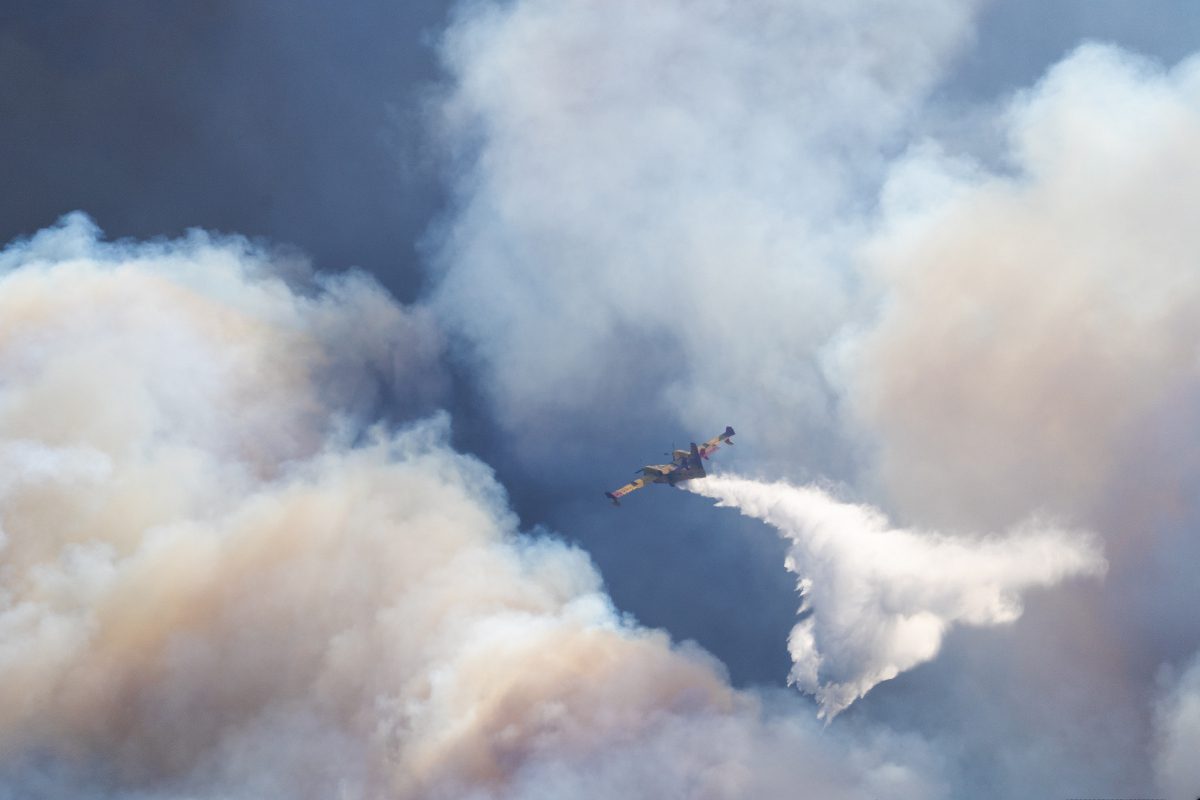
The latest State of Wildfires report has underlined the escalating physical risks posed by climate change, revealing that 2.7 million hectares within designated carbon project boundaries burned globally during recent fire seasons. The assessment highlights how extreme weather conditions across Southern Europe—particularly in Spain and Portugal—were made significantly more likely by climate-driven atmospheric trends.
The findings cast fresh doubt on the long-term reliability of nature-based carbon offsets. Forestry and land-use preservation projects have long formed a key pillar of corporate carbon mitigation strategies. However, as regional temperatures rise, these projects face increasing vulnerability to permanence loss, where stored carbon is unexpectedly released back into the atmosphere during catastrophic fire events.
Implications for Recyclers and Packaging Converters
For UK waste management firms, packaging converters, and Turkish plastics recyclers, these developments carry direct consequences for environmental compliance and Scope 3 emissions reporting. Under expanding mandatory disclosure frameworks—such as the EU Corporate Sustainability Reporting Directive (CSRD) and UK carbon reporting rules—businesses face stricter scrutiny regarding the quality and permanence of their carbon offset claims. Companies relying on nature-based offsets to market carbon-neutral packaging or low-carbon recycled polymers face potential regulatory scrutiny and reputational exposure if their underlying offset projects are impaired by fire.
Additionally, extreme weather in the Mediterranean basin directly affects industrial infrastructure, supply chain logistics, and energy grid stability across Southern Europe and Türkiye.
Practical Takeaway
Plastics value chain actors should shift carbon management priorities towards direct operational emissions reductions—such as process electrification, heat recovery, and scrap reduction—rather than relying heavily on land-based carbon offsets. Where offsets remain necessary, corporate procurement teams must audit credit providers for robust buffer pools and explicit wildfire risk insurance.