US carbon removal developer Vaulted Deep has secured a $35 million debt facility to expand its patented bio-waste injection technology. The financing, backed by long-term carbon dioxide removal (CDR) purchase commitments from buyers within the Frontier climate coalition—including Google and Stripe—will fund the expansion of injection wells designed to permanently store carbon underground.
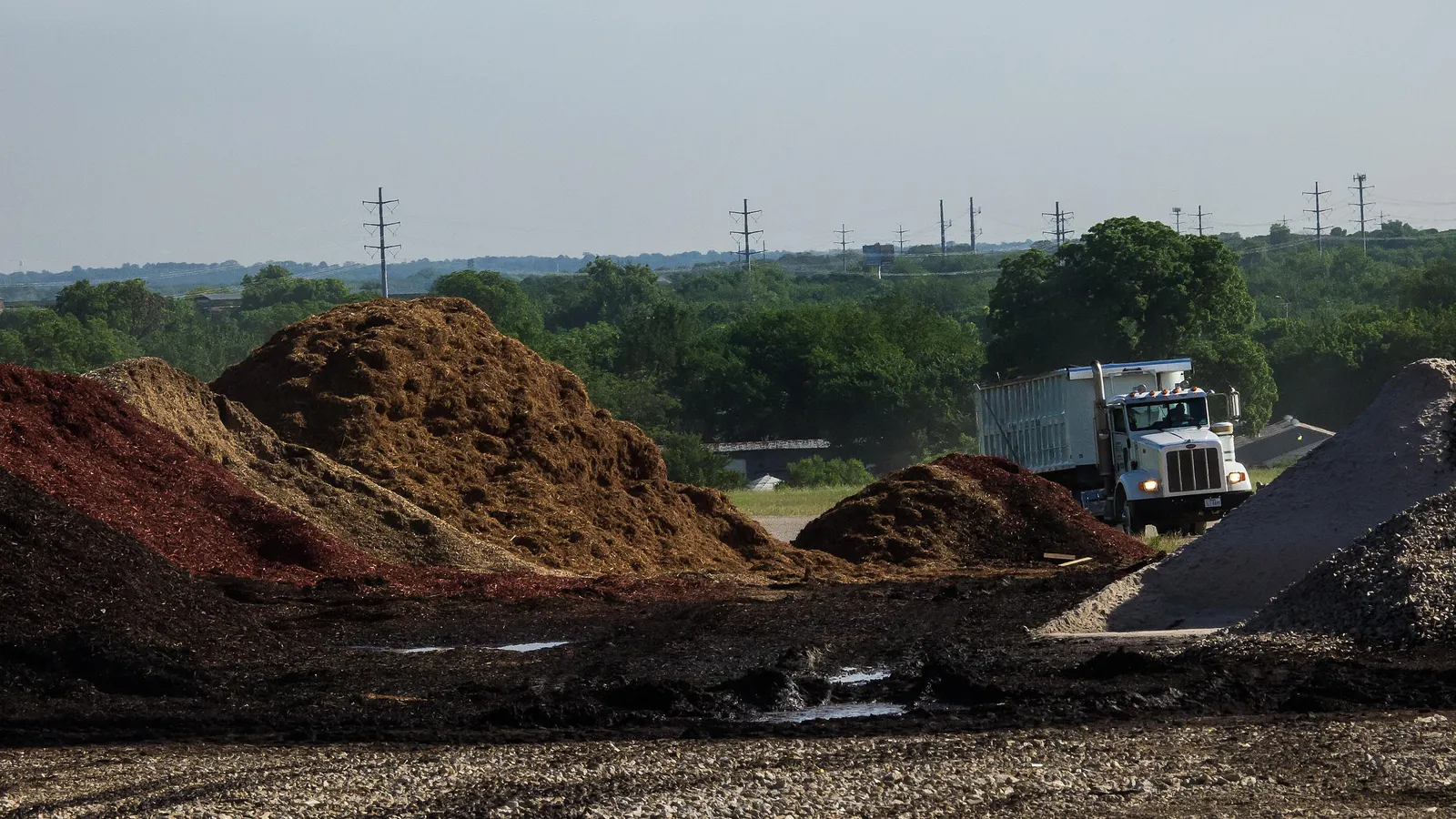
Vaulted Deep’s process involves taking organic waste slurries, such as agricultural residues, municipal food waste, and livestock manure, and injecting them into deep saline aquifers. By preventing these organic materials from decomposing on the surface, the technology avoids methane emissions and traps carbon for thousands of years.
This transaction is significant because it demonstrates that voluntary carbon market commitments are now robust enough to secure traditional debt financing. Rather than relying solely on venture capital, waste-to-carbon projects can leverage future delivery contracts to fund capital-intensive infrastructure.
For UK waste companies and Turkish recyclers, this development highlights the rapidly evolving intersection of waste management and carbon finance. In the UK, municipal waste operators face escalating landfill tax rates and impending bans on organic waste to landfill. Simultaneously, European recyclers are under pressure from brand owners to document and reduce Scope 3 emissions. While plastic recycling remains focused on material circularity, the broader waste sector is being reframed as a critical front in carbon management. As compliance markets tighten, the ability to quantify, verify, and monetise the carbon prevented from entering the atmosphere will become a key differentiator for waste handlers.
The practical takeaway for the sector is clear: waste is no longer just a disposal or material recovery challenge, but a carbon accounting asset. Operators should actively assess the carbon intensity of their processing routes, as verified carbon savings are increasingly bankable under emerging international reporting frameworks.