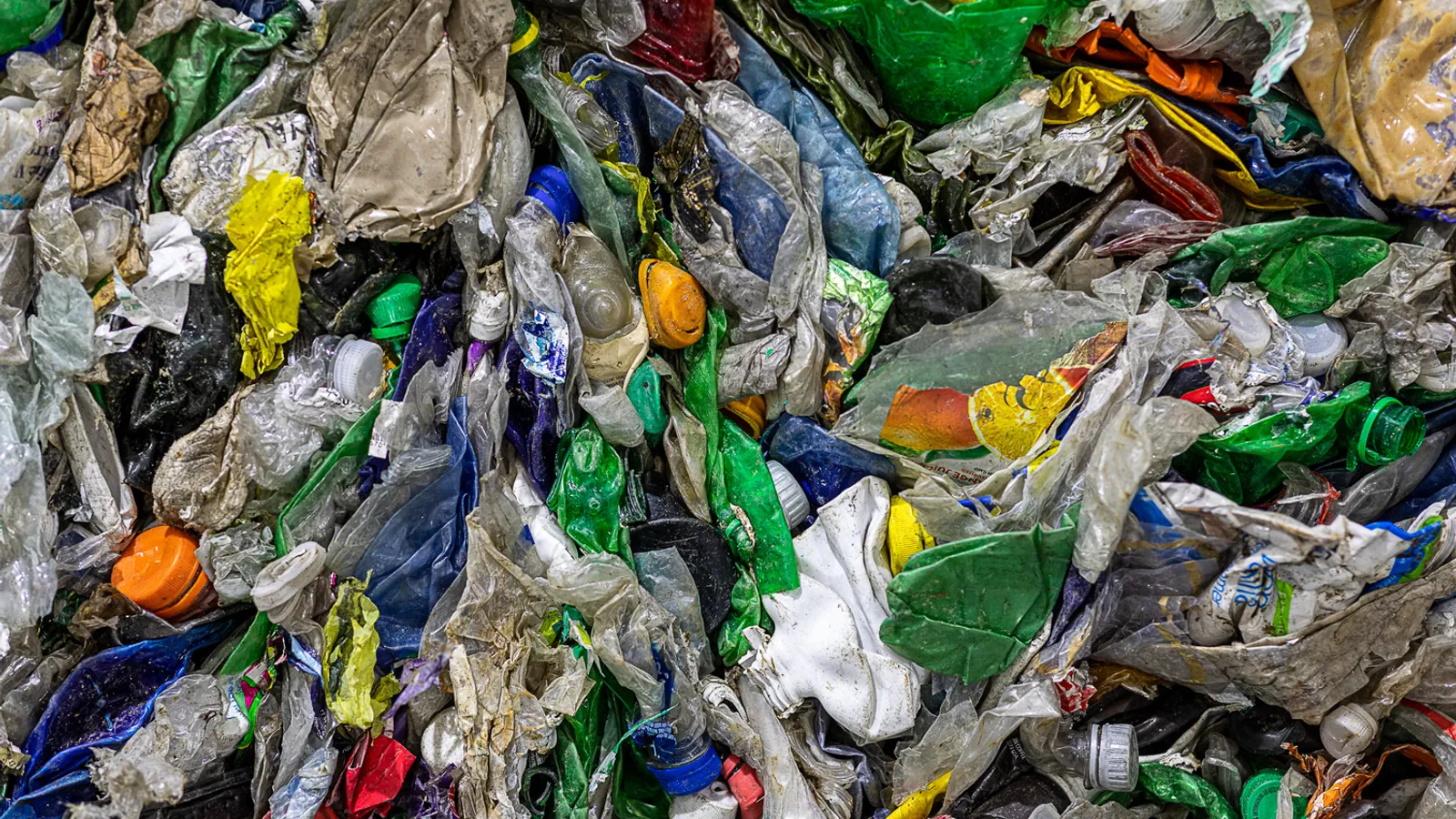
Recent developments in the United States highlight the dual trajectory of chemical recycling: significant innovation alongside increasing regulatory and environmental scrutiny. These trends offer valuable insights for the global plastics sector, including businesses operating within the UK–Türkiye trade corridor.
Eastman, a prominent player in advanced recycling technologies, recently hosted officials from the US Environmental Protection Agency (EPA) at one of its facilities. This engagement signals a growing interest from regulators in understanding the operational realities and environmental implications of chemical recycling processes. Concurrently, the Natural Resources Defense Council (NRDC), an environmental advocacy group, has voiced concerns regarding the adequacy of federal chemical reporting requirements for these new technologies. Their focus is on ensuring comprehensive oversight of the substances involved and their potential impacts.
Beyond regulatory discussions, practical advancements are also underway. PureCycle Technologies, another firm specialising in chemical recycling, has partnered with Waste Management (WM) to recover plastics from major sports venues. This initiative aims to secure a consistent feedstock supply for PureCycle's operations, demonstrating a tangible step towards scaling up the collection and processing infrastructure necessary for advanced recycling.
These events collectively underscore the evolving landscape for chemical recycling. While the technology holds promise for processing difficult-to-recycle plastics and contributing to a circular economy, its widespread adoption hinges on achieving regulatory clarity, demonstrating environmental benefits, and building public confidence. The engagement of regulatory bodies like the EPA, coupled with the critical examination from environmental groups, indicates that the industry must navigate a complex path of innovation, transparency, and compliance.
For UK–Türkiye plastics traders and recyclers, these US developments are highly pertinent. The UK and the EU are actively debating the role and regulation of chemical recycling, including how it contributes to recycling targets and its environmental footprint. US regulatory approaches and industry practices often provide a precedent or parallel for European policy discussions. Businesses in the UK exporting waste plastics to Türkiye, or Turkish recyclers processing these materials, should monitor these global trends. The future definition of 'recycling' and the types of materials eligible for advanced processes could influence trade flows, demand for mechanically recycled polymers, and investment decisions in new technologies. Understanding the regulatory challenges and market solutions emerging elsewhere can help anticipate future policy shifts and market dynamics closer to home.
The practical takeaway is clear: stakeholders in the UK–Türkiye plastics trade should remain informed about the global progression of chemical recycling. Anticipating regulatory frameworks and understanding the interplay between innovation and environmental oversight will be crucial for strategic planning and maintaining competitiveness in a rapidly changing market.