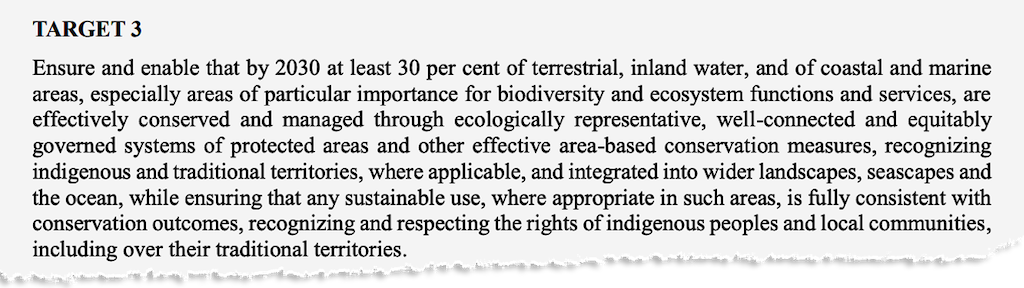
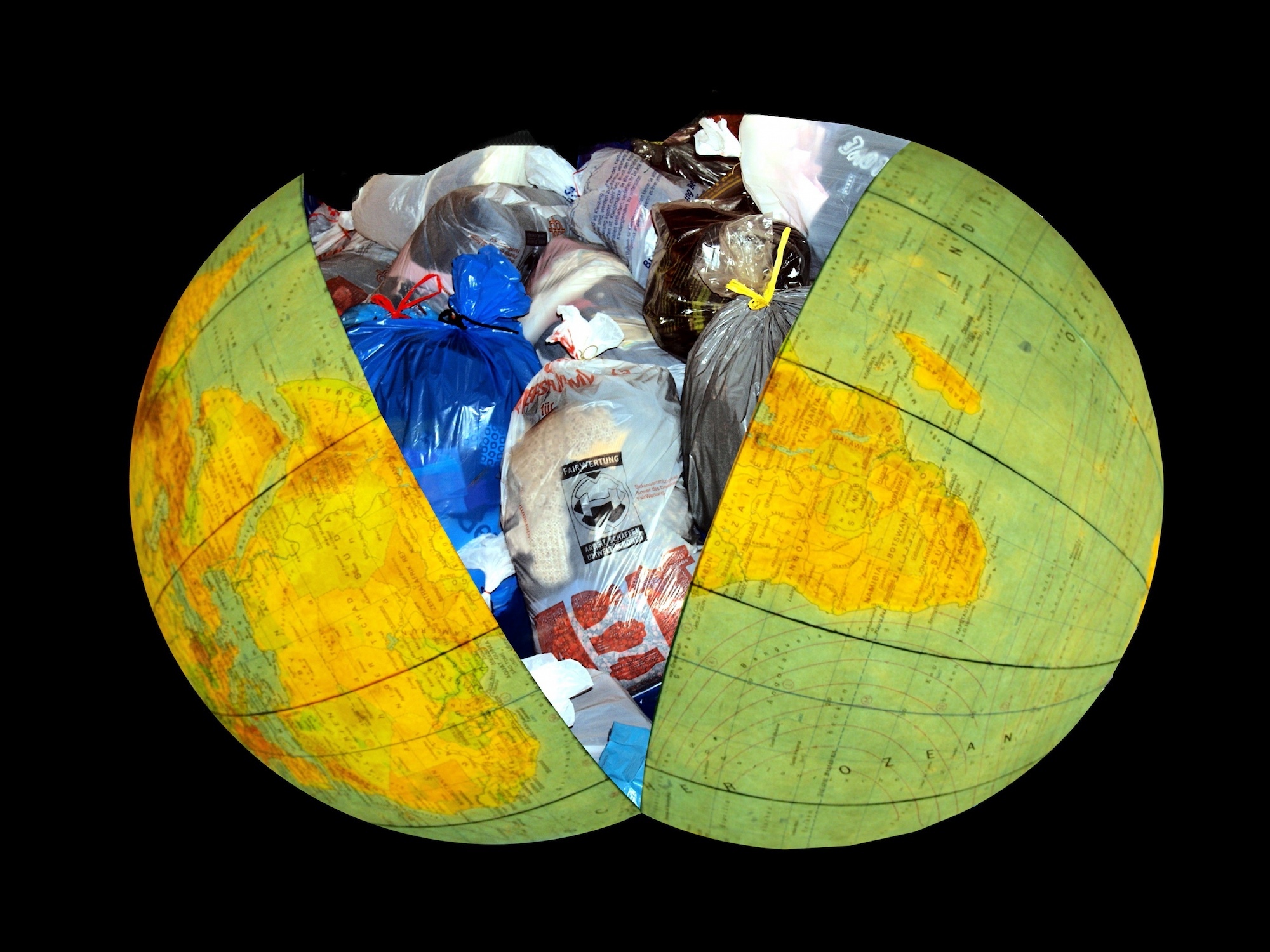
A draft assessment from the United Nations has revealed that international efforts are failing to meet 22 out of 23 global targets set for 2030 under the Kunming-Montreal Global Biodiversity Framework. The findings highlight widespread shortfalls across planetary protection measures, including pollution reduction, ecosystem restoration, and sustainable resource management. According to the document, current national policy pledges and implementation rates remain insufficient to halt or reverse nature loss within the decade.
The Global Biodiversity Framework acts as an umbrella benchmark for global environmental policy, shaping national legislative agendas across Europe and internationally. Target 7 of the framework explicitly calls for a dramatic reduction in plastic pollution and hazardous waste releases by 2030. The draft report demonstrates that existing domestic measures, ranging from voluntary circular economy initiatives to local recycling mandates, are not generating ecological recovery at the required velocity. As a result, intergovernmental bodies and national regulators will face growing pressure to implement mandatory controls and step up policy enforcement.
What it means for UK and Turkish plastics supply chains
For UK waste management operators, packaging converters, and Turkish reprocessors, the evaluation points to an inevitable tightening of corporate environmental reporting and supply chain oversight. Policy frameworks across the UK and the European Union are progressively tying corporate compliance to broader ecosystem outcomes alongside carbon accounting. Downstream brand owners are increasingly required to report under frameworks such as the Taskforce on Nature-related Financial Disclosures (TNFD) and the EU Corporate Sustainability Due Diligence Directive.
As regulatory pressures mount, processors and exporters that can provide verifiable evidence of recycled content and minimised environmental pollution will secure a competitive edge. Conversely, supply chain partners unable to provide robust environmental metrics may face operational and legal risks as downstream customers audit their footprint more aggressively.
Practical takeaway
Waste management firms and packaging converters should expand their corporate compliance frameworks beyond greenhouse gas emissions to include nature and pollution metrics. Auditing operational risk against nature disclosure guidelines now will ensure readiness as brand clients enforce stricter environmental benchmarks across their international supply chains.