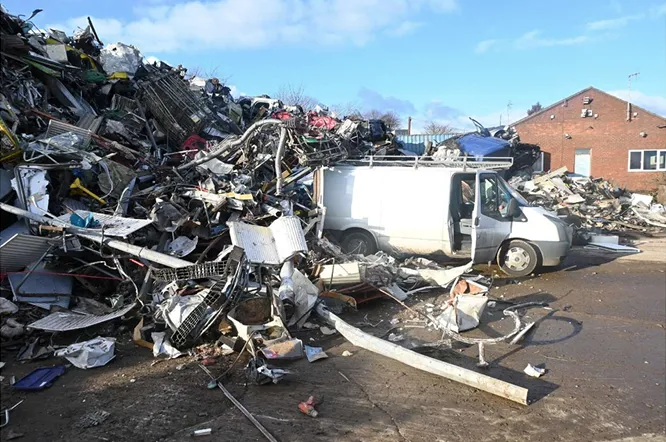
A UK recycling firm has been fined following an incident in which a member of the public suffered a broken leg due to a collapsing pile of material. PPS Recycling pleaded guilty to health and safety breaches after the Health and Safety Executive (HSE) identified systemic failures in stockpile management and site safety controls.
The prosecution underscores the regulator's uncompromising stance on operational safety within the waste and resource management sector. Stockpile stability is a persistent hazard, not just for scrap metal yards, but across all material streams, including baled and loose plastics. As UK regulators tighten oversight, operational negligence carries severe financial penalties, rising insurance premiums, and devastating reputational damage. The HSE has long classified the waste sector as a high-risk industry, meaning inspectors are increasingly focused on physical site hazards.
For UK waste companies and plastic recyclers, this case serves as a stark reminder of the legal liabilities associated with yard management. Turkish recyclers importing UK feedstock must also take note. Any operational shutdown, HSE prohibition notice, or legal prosecution at a UK supplier's facility can instantly disrupt the export pipeline. This delays Annex VII shipments and tightens the availability of high-quality polymers for Turkish processing plants. Ensuring that supply chain partners maintain rigorous safety standards is therefore essential for mitigating supply chain risks.
The practical takeaway for site managers is the absolute necessity of implementing strict, documented inspection regimes for all material storage. Operators must establish clear exclusion zones for visitors, ensure that maximum stack heights are never exceeded, and train staff to recognise the early signs of pile instability. Regular risk assessments are a critical operational shield against catastrophic liability.