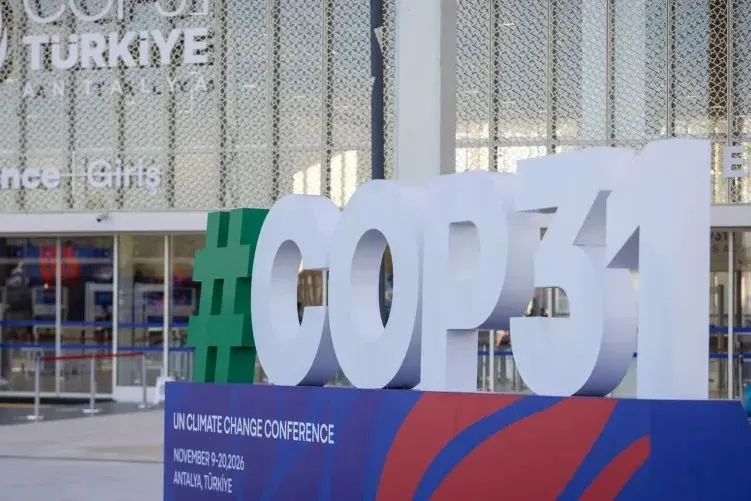
The latest UN climate negotiations at COP31 concluded without unanimous consensus after the United Kingdom and the European Union refused to back the proposed final cover agreement. The decision followed intense deliberations over global emission targets, resource efficiency, and waste reduction strategies.
Key points of contention centered on watered-down phrasing regarding the transition away from fossil fuels and a lack of binding commitments on circular economy measures. European and British delegates argued that signing an unaligned text would dilute domestic decarbonisation momentum and weaken established environmental goals. While the summit sought to link material management directly to global carbon reduction targets, negotiators failed to agree on standardized rules for waste prevention and resource recovery.
Why it matters
The breakdown in diplomatic consensus demonstrates that global multilateral summits are increasingly lagging behind regional legislative action. For the resource management sector, this signals that future regulatory drivers will continue to originate from national and supranational authorities rather than unified international treaties. Policies pushing for secondary raw material integration and stricter emission controls will remain driven by regional agendas.
Impact on UK and Turkish recyclers
For UK packaging converters and Turkish polymer processors, the absence of a global agreement reinforces the importance of complying with UK and EU standards. Turkish recyclers exporting reprocessed resins to European and British markets cannot rely on international frameworks to harmonize carbon reporting. Instead, they must align with specific regional requirements, such as verified lifecycle assessments (LCAs) and precise Scope 1, 2, and 3 emissions tracking.
As the UK and EU press ahead with independent sustainability agendas—including stringent recycled content mandates and carbon accounting mechanisms—compliance costs and reporting burdens will remain centered on regional trade corridors regardless of global diplomatic impasses.
Practical takeaway
Operators should maintain focus on meeting UK and EU compliance frameworks, such as the UK Plastic Packaging Tax and EU environmental reporting standards, ensuring that carbon footprint data for secondary polymers is fully documented and auditable.