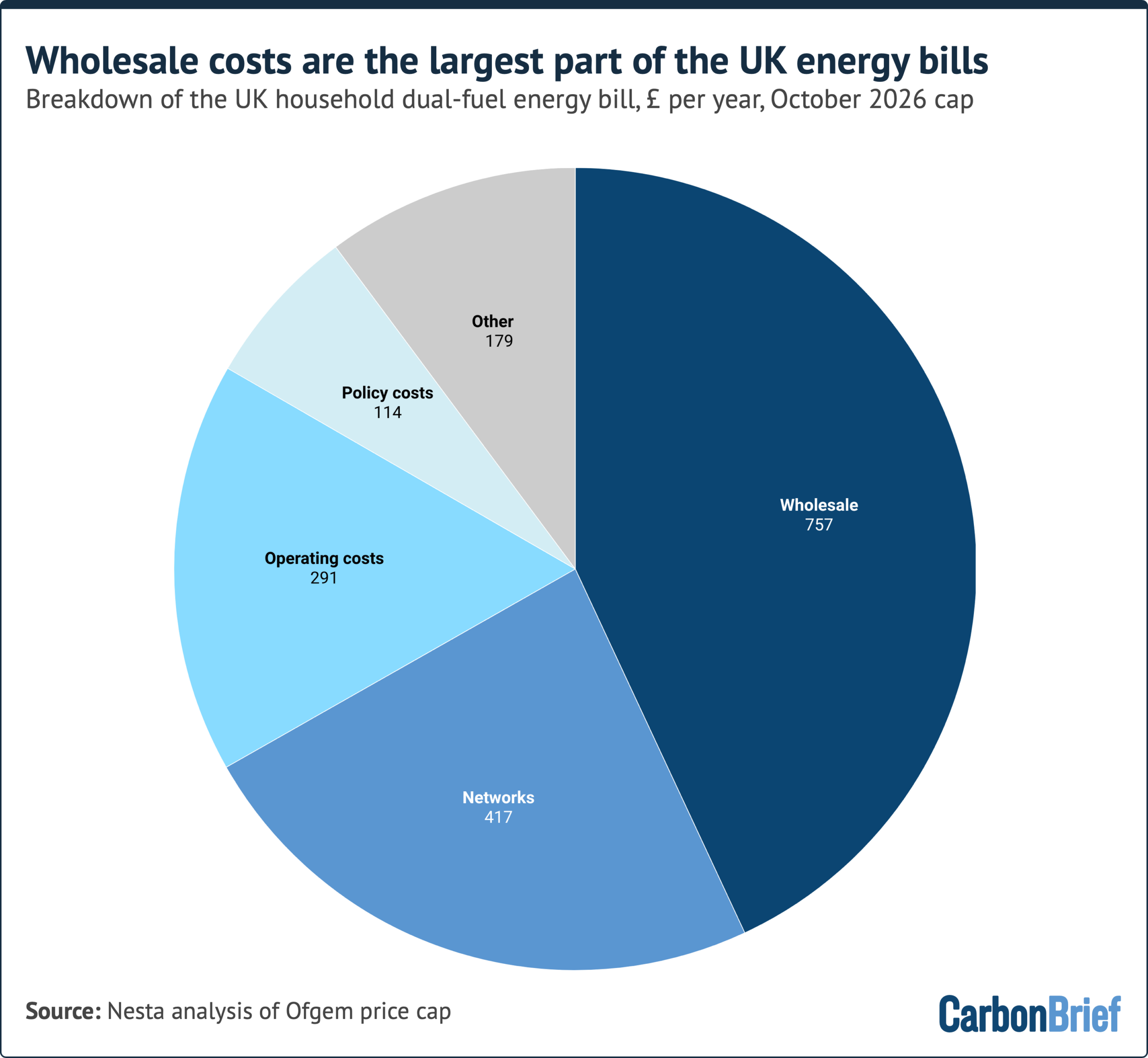
Energy prices in the United Kingdom remain among the highest in Western Europe, driven by structural dependencies on wholesale natural gas under the marginal pricing system, escalating grid balancing costs, and long-term network infrastructure upgrades. Although extreme gas market shocks have subsided from peak crisis levels, the underlying mechanics of the UK electricity market mean industrial end-users continue to absorb elevated power tariffs.
For UK waste management firms, plastic reprocessors, and packaging converters, high electricity tariffs directly erode operational profitability. Converting post-consumer plastic waste into high-grade secondary raw materials—through mechanical shredding, hot washing, optical sorting, and melt extrusion—is an inherently energy-intensive process. Sustained high power costs elevate the production cost per tonne for recycled resins such as rPET, rHDPE, and rPP. This cost pressure narrows the price margin between recycled polymers and virgin fossil-based materials, creating commercial friction across the recycling supply chain at a time when virgin resin prices remain suppressed.
What it means for UK–Türkiye trade and carbon reporting
For UK recyclers, energy inflation poses a threat to domestic processing competitiveness relative to international reprocessors. Turkish recycling facilities, operating under different regional energy structures and power market dynamics, can often maintain lower processing overheads per tonne of recycled flake or pellet destined for European export. For UK processors, high power bills make investments in energy efficiency, onsite solar generation, and direct renewable Power Purchase Agreements (PPAs) critical to controlling operational expenditure. Additionally, as Scope 2 carbon reporting rules tighten, UK operators must monitor their electricity sourcing closely: relying heavily on grid electricity during periods of high gas generation inflates the indirect carbon footprint of domestic recycled plastic products.
Practical Takeaway
UK waste reprocessors and converters should audit their operational power profiles, exploring peak-shaving equipment and onsite renewable installations to hedge against structural power price volatility and reduce Scope 2 carbon intensity.