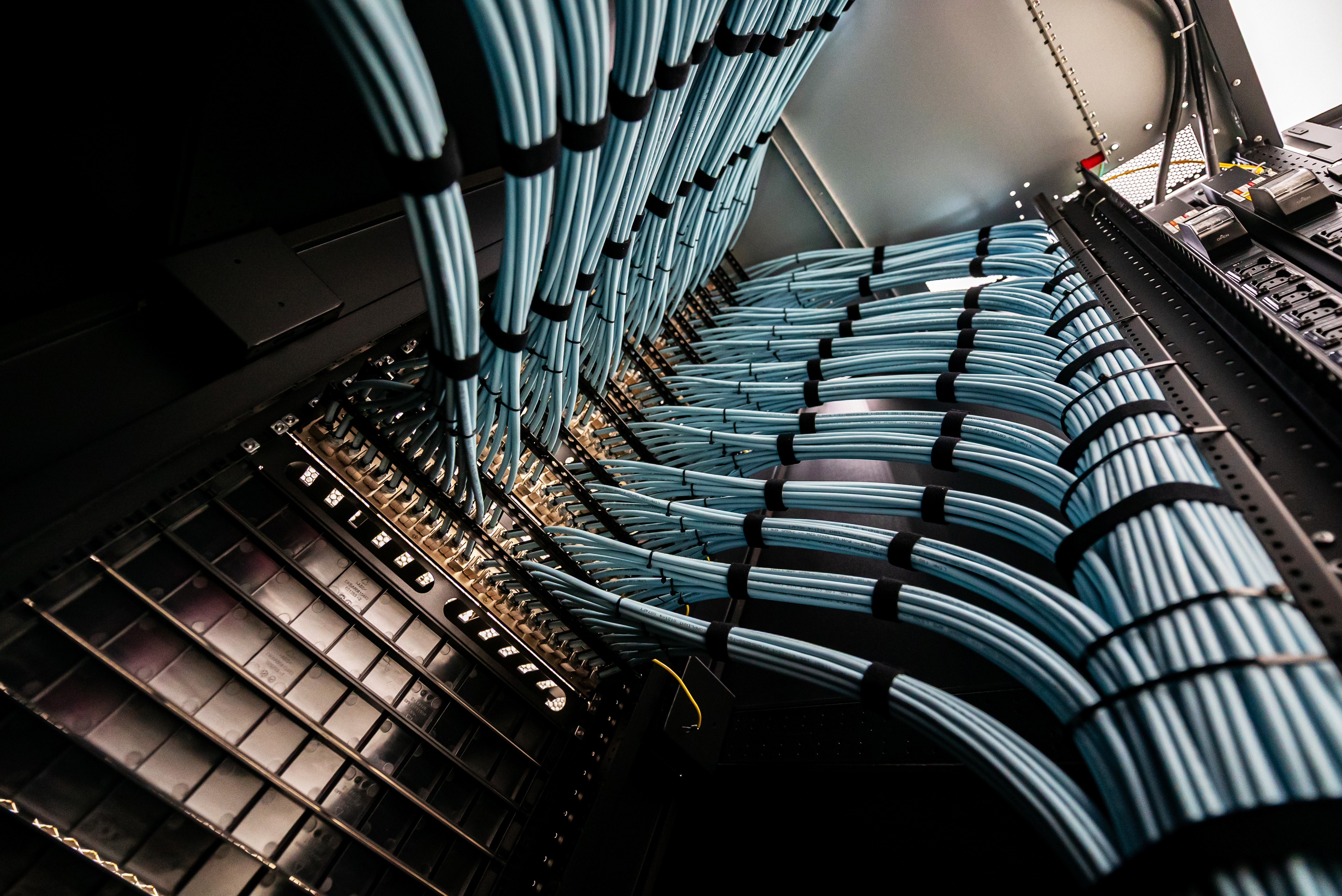
A recent analysis by the non-profit advocacy group Foxglove has revealed that two proposed mega-data centres in the UK could emit a combined 4.5 million tonnes of carbon dioxide equivalent annually once fully operational. This projected footprint exceeds the total UK emissions of fossil fuel giant ExxonMobil, raising critical questions about the allocation of the UK’s energy resources and its progress toward net-zero targets.
The findings highlight the immense power demands of the digital economy, particularly artificial intelligence and cloud computing. These facilities require continuous, high-voltage electricity, often straining local grids and competing directly with industrial sectors for access to renewable energy. As the UK government seeks to balance technological growth with legally binding climate commitments, the massive energy appetite of tech infrastructure is coming under intense regulatory scrutiny.
For UK waste management companies and plastics recyclers, this development carries significant indirect implications. The recycling sector is highly energy-intensive, relying on electricity to power sorting, washing, shredding, and extrusion lines. As data centres monopolise large shares of grid capacity, industrial energy costs are likely to remain volatile. Furthermore, the slow decarbonisation of the national grid—hindered by the addition of high-emission data facilities—will make it more difficult for recyclers to lower their Scope 2 emissions. This complicates compliance with corporate sustainability reporting standards and supply chain carbon audits demanded by packaging converters and brand owners.
As carbon accounting becomes more rigorous across Europe, recyclers must proactively manage their energy profiles. A practical takeaway for operators is to accelerate investments in on-site renewable generation, such as solar arrays, and energy efficiency measures. Securing long-term Power Purchase Agreements (PPAs) can also shield recycling plants from grid price spikes while guaranteeing the low-carbon credentials necessary to satisfy domestic and international partners, including Turkish importers looking for low-carbon feedstocks.