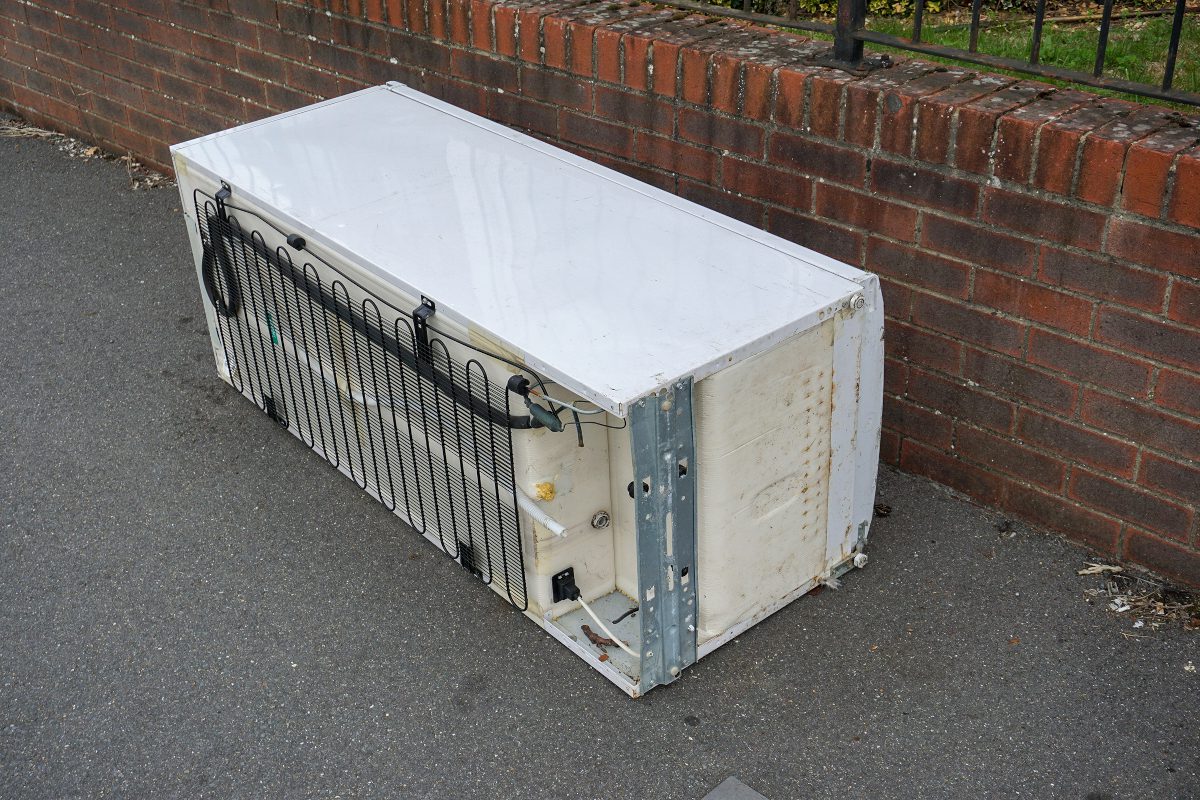
The Association of Directors of Environment, Economy, Planning and Transport (ADEPT) has alerted the UK government to an urgent shortage of domestic fridge and freezer recycling capacity. Local authority waste management teams across parts of the UK are struggling to clear growing backlogs of discarded cooling appliances, raising concerns over illegal fly-tipping, fire hazards, and potential breaches of statutory environmental duties.
Waste Electrical and Electronic Equipment (WEEE) processing for cooling units requires specialized Stage 1 and Stage 2 treatment facilities. These plants extract ozone-depleting substances and fluorinated greenhouse gases from cooling circuits and insulation foam before shredding units to recover metals and technical plastics such as high-impact polystyrene (HIPS) and acrylonitrile butadiene styrene (ABS). A combination of operational downtime, elevated energy costs, and strict environmental compliance mandates has constrained throughput at key UK facilities, creating a operational backlog at household waste recycling centres.
What this means for waste managers and recyclers
For UK waste management companies and sustainability directors, the crisis highlights severe structural vulnerabilities within domestic specialized waste processing. Protracted storage of cooling units increases site duty-of-care liabilities, heightens fire risk, and elevates insurance costs. From an environmental compliance and carbon reporting perspective, delayed treatment increases the risk of fugitive greenhouse gas emissions, threatening Scope 3 carbon reduction targets and municipal circular economy metrics.
For recyclers and polymer traders, disruptions in appliance dismantling directly affect the steady inflow of post-consumer engineering plastics. Disrupted feedstocks of WEEE-derived HIPS and ABS complicate long-term supply planning for secondary compounders, emphasizing the need for robust processing resilience and transparent waste tracking.
Practical takeaway
Waste site operators should immediately audit their current WEEE storage volumes against permit thresholds and review contingency agreements with accredited secondary processors to prevent regulatory non-compliance.