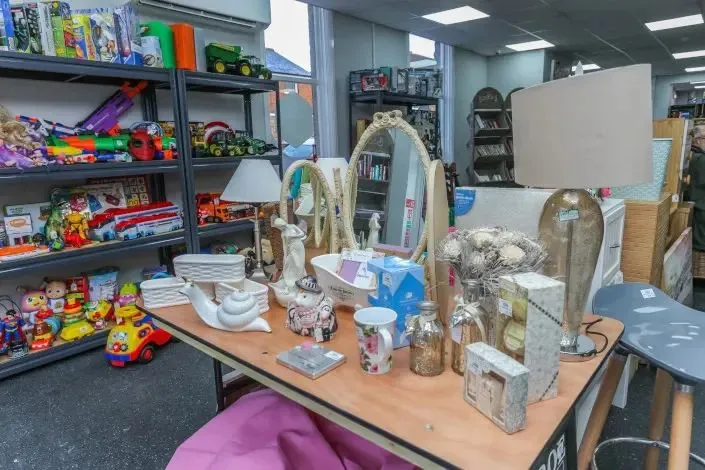
A recent survey conducted by waste management operator FCC Environment reveals a significant rise in UK consumers purchasing pre-owned items due to environmental motivations. The findings highlight expanding public engagement with Household Waste Recycling Centre (HWRC) reuse shops, where discarded household items are salvaged and resold before entering traditional municipal waste or recycling streams.
This trend reflects a broader operational shift higher up the waste hierarchy, prioritising direct reuse over mechanical processing. As UK local authorities and waste contractors scale up HWRC reuse initiatives, the composition and overall volume of municipal waste reaching collection and sorting facilities will gradually evolve. Durable items—including rigid plastics, outdoor furniture, and household goods—are increasingly diverted prior to waste processing. While this slightly alters feedstock availability, it directly supports national targets to minimise primary resource extraction and lower lifecycle carbon emissions.
For waste management operators, integrating formal reuse infrastructure alongside standard HWRC recycling bays presents a practical operational benefit. Diverting re-usable goods reduces incineration and landfill disposal costs while yielding verifiable environmental metrics that strengthen local authority contract bids.
For UK waste managers, polymer reprocessors, and circular economy compliance leads, the expansion of municipal reuse schemes highlights the importance of precise carbon accounting and feedstock forecasting. As circular economy regulations tighten across the UK and Europe, recyclers must document efforts across all levels of the waste hierarchy, not merely throughput volumes. Furthermore, understanding changes in municipal waste composition helps reprocessors adapt to shifts in secondary material supply as durable consumer products spend longer in active use before entering the recycling stream.