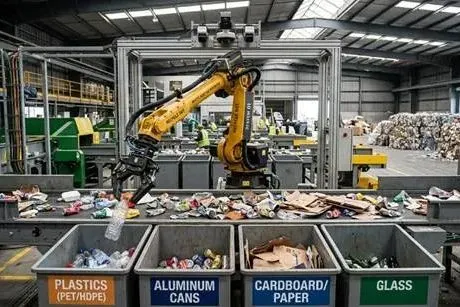
A recent analysis highlights the critical role of the circular economy in safeguarding resource supply chains. Industry experts are urging UK policymakers and business leaders to prioritise capabilities that support the reuse, repair, and repurposing of valuable components. While the immediate focus of the analysis is on securing critical mineral supplies, the underlying policy recommendations signal a broader systemic shift towards resource preservation that will inevitably encompass the plastics and packaging sectors.
The call to action comes amid growing global concerns over supply chain vulnerabilities and resource scarcity. By transitioning from a traditional linear model to a robust circular framework, the UK aims to mitigate geopolitical risks and reduce its reliance on primary raw material imports. This transition requires significant investment in domestic reprocessing infrastructure and a cohesive policy environment that incentivises circular business models.
For UK waste companies and Turkish recyclers, this shifting policy landscape carries significant implications. As the UK government intensifies its focus on resource security, we can expect tighter regulations surrounding waste exports and more stringent tracking of secondary raw materials. Turkish recyclers, who rely heavily on UK plastic feedstocks, must prepare for a regulatory environment that increasingly values domestic retention and high-quality, traceable recycling processes. Demonstrating low-carbon processing and robust circular credentials will become essential for Turkish operators to maintain their position as key partners in the UK supply chain. Furthermore, UK packaging converters will face mounting pressure to design products for easier disassembly and recycling to comply with evolving circularity standards.
A practical takeaway for operators is the necessity of auditing current supply chain transparency. Businesses should proactively implement detailed carbon and material tracking systems. Aligning operations with circular principles now will ensure compliance with future resource security mandates and protect against sudden regulatory shifts.