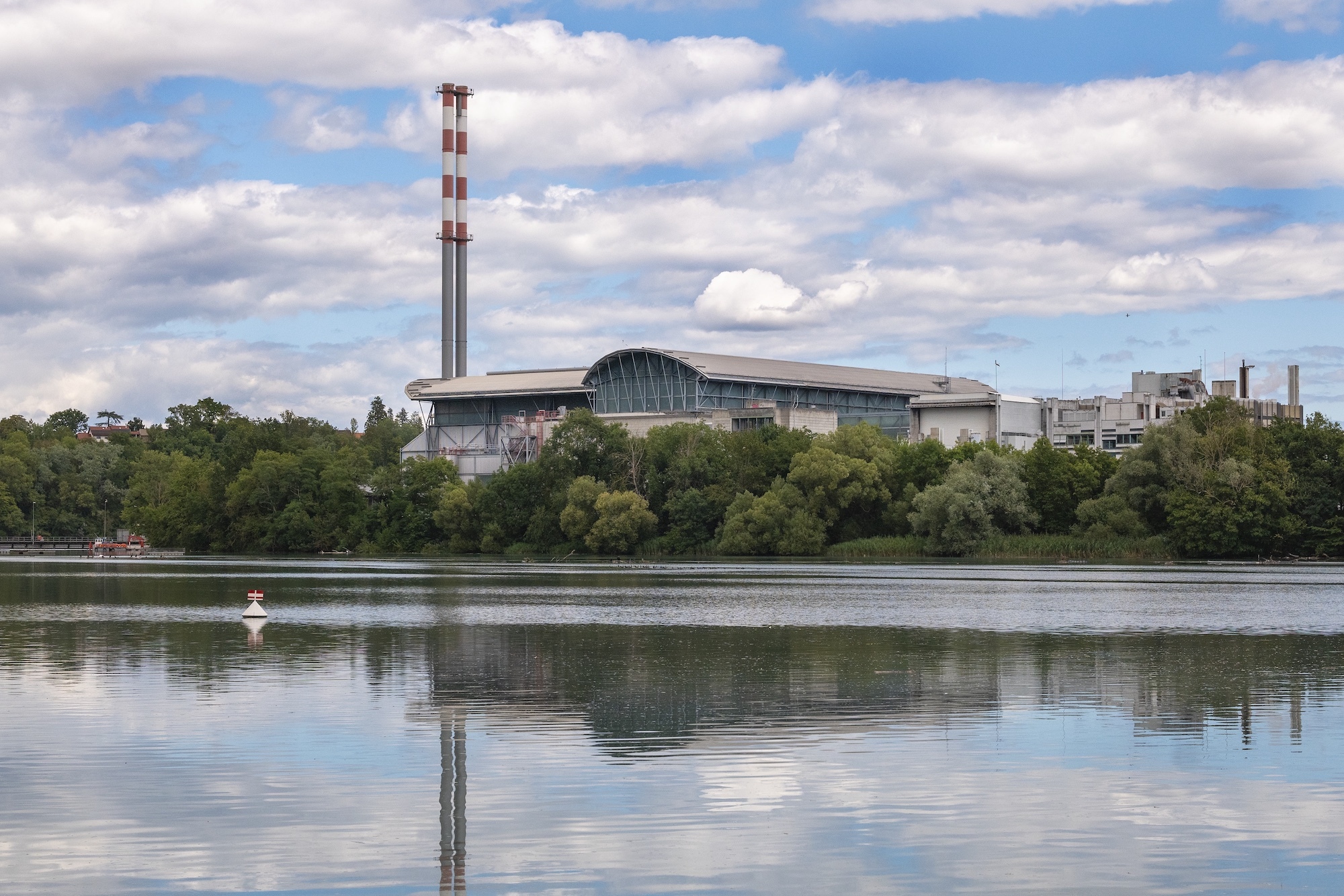
Swiss utility Services Industriels de Genève (SIG) has contracted technology provider Kanadevia Inova to modernise the Cheneviers waste-to-energy (WtE) facility in Aire-la-Ville, near Geneva. The rebuilt two-line plant will process approximately 160,000 tonnes of municipal and industrial waste annually, generating heat for the local district heating network.
While modern WtE plants provide essential municipal infrastructure and low-carbon district heating, their role is increasingly scrutinised under European circular economy frameworks. As European nations seek to lower carbon emissions, thermal waste treatment is being pushed further down the waste hierarchy in favour of high-quality mechanical recycling.
For UK waste exporters and Turkish recyclers, developments in European WtE infrastructure signal broader regulatory and economic shifts. The European Union is progressively moving to include municipal waste incineration within the EU Emissions Trading System (ETS). This inclusion will inevitably drive up the cost of sending plastic-rich waste streams to incinerators. Consequently, UK waste management firms will face stronger economic incentives to divert recyclable polymers away from energy recovery and towards domestic or export recycling markets. For Turkish recyclers importing European feedstocks, this regulatory pressure is expected to increase the availability of sorted polymer fractions, though it also raises the bar for demonstrating low-carbon processing to satisfy European buyers tracking Scope 3 emissions.
Practical Takeaway: Waste managers and exporters should prepare for rising incineration costs across Europe by investing in advanced sorting technologies to extract high-value polymers before thermal treatment, ensuring compliance with tightening carbon reporting standards.