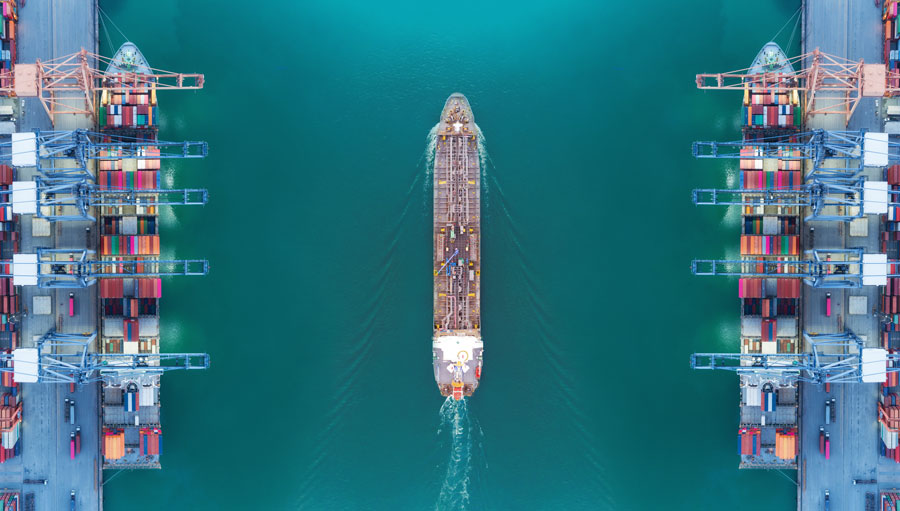
Recent academic research assessing the global impact of maritime freight has calculated that international shipping emissions resulted in approximately $963bn in economic damages between 1990 and 2020. The study highlights the cumulative health, environmental, and climate costs caused by greenhouse gases, sulphur oxides, and nitrogen oxides emitted by ocean-going vessels over the 30-year period.
The findings come at a time when international regulators, including the International Maritime Organization (IMO) and the European Union, are ramping up pressure on maritime operators to decarbonise. The inclusion of maritime transport in the EU Emissions Trading System (EU ETS) from 2024 and upcoming global fuel standards are already forcing shipowners to invest in alternative fuels and efficiency measures. As carbon accounting becomes stricter globally, the environmental costs of sea freight are increasingly being internalised through surcharges, carbon pricing, and mandatory reporting frameworks.
For UK waste exporters, packaging converters, and Turkish plastics recyclers, the growing scrutiny on maritime emissions carries direct financial and compliance consequences. Sea freight is the primary transport mode for moving scrap polymers, recycled flakes, and finished packaging between the UK, Europe, and Türkiye. As shipping lines face rising compliance costs under maritime carbon pricing, freight rates and bunker adjustment surcharges are expected to increase across eastern Mediterranean and North Sea trade lanes. Furthermore, UK and European businesses subject to corporate sustainability reporting directives must now accurately track Scope 3 supply chain emissions, making the carbon intensity of logistics a key metric in raw material procurement.
Practical Takeaway: Recyclers and packaging converters should integrate transport carbon metrics into their procurement processes and request detailed emissions data from freight forwarders. Evaluating logistics partners on fleet efficiency will help manage Scope 3 compliance and anticipate long-term freight surcharges as maritime regulations tighten.