
UK Shadow Chancellor Proposes Scrapping Packaging EPR in Regulatory Overhaul
5 Ekim 2026 · Materials Recycling World
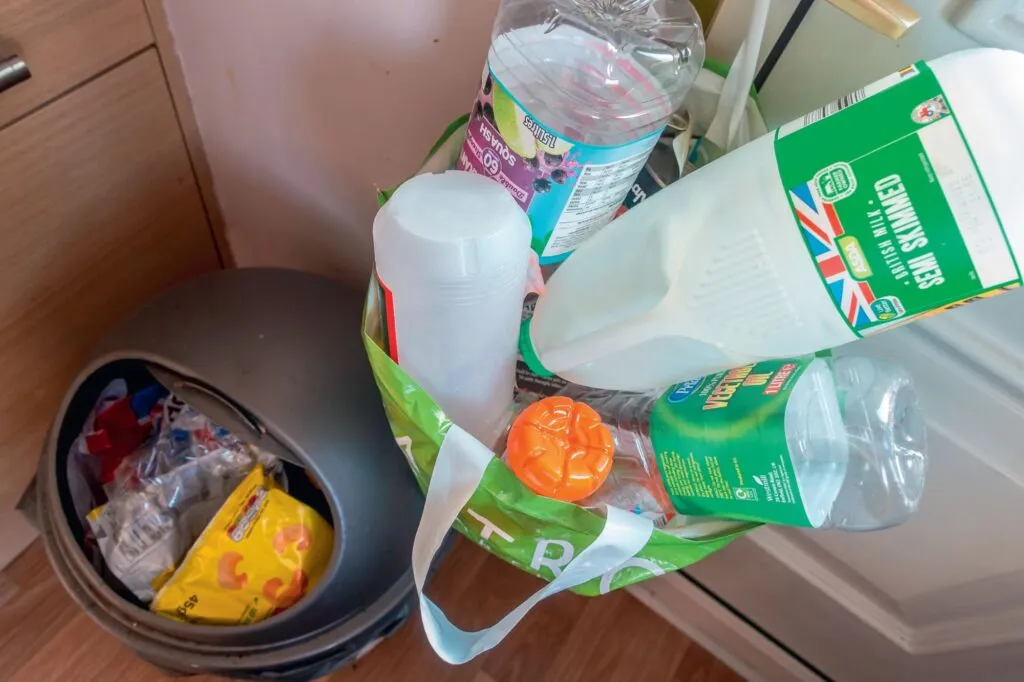
Görsel: Materials Recycling World
The UK’s packaging Extended Producer Responsibility (pEPR) scheme faces potential political disruption following proposals by the Shadow Chancellor to abolish the policy as part of a wider regulatory overhaul. The opposition party has framed the financial obligations placed on businesses to fund local authority packaging waste collection as a "consumer tax" that it would dismantle if elected.
This proposal introduces fresh uncertainty into the UK’s waste and packaging sectors, which have spent years preparing for the implementation of pEPR. Designed to shift the full cost of managing household packaging waste from taxpayers to producers, the scheme aims to incentivise the use of recyclable materials and reduce excess packaging. However, critics argue that the compliance costs will inevitably be passed down to consumers, exacerbating inflationary pressures.
For UK packaging converters and waste management firms, this political development threatens to complicate long-term investment strategies. Companies have already invested heavily in data collection systems and compliance infrastructure to meet upcoming pEPR reporting requirements. A potential repeal or major restructuring of the policy could leave these investments stranded, while also disrupting the anticipated funding stream destined for local authority recycling infrastructure.
For Turkish recyclers and UK–Türkiye plastics traders, the stability of UK recycling policy is a critical driver of material flows. The pEPR scheme is expected to significantly alter the quality and quantity of domestic UK plastic scrap, as well as the demand for high-quality recycled polymers. Any rollback of these regulations could slow down the UK's transition toward a circular economy, potentially depressing the domestic supply of well-sorted feedstocks and altering the price competitiveness of imported recycled resins, such as rPET and rHDPE, from Turkish suppliers.
Practical Takeaway: Despite the political rhetoric, businesses must not pause their current compliance efforts. The current pEPR regulations remain legally binding, and failing to collect data or meet reporting deadlines carries immediate financial and legal risks. Companies should proceed with their compliance roadmaps while maintaining flexible investment strategies to adapt to potential policy shifts.
Reported by Materials Recycling World — original article
Editör ekibimiz tarafından yapay zekâ desteğiyle derlenmiştir. Kaynaklara yukarıdaki bağlantılardan ulaşabilirsiniz.