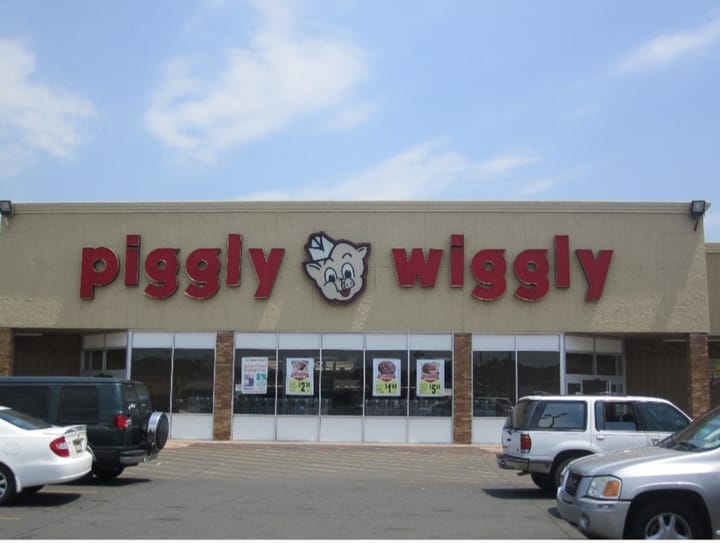
The modern plastics crisis is often treated as a material science problem, but its roots lie in a century-old shift in retail logistics. In 1916, the opening of the first Piggly Wiggly store in Memphis, Tennessee, pioneered the self-service grocery model. By removing the shop clerk who previously weighed and bagged goods behind a counter, this innovation shifted the responsibility of portioning, protecting, and branding products directly to the manufacturer. This structural shift ultimately made lightweight, transparent, and durable plastic packaging indispensable to global supply chains.
Understanding this historical shift is crucial because today's circular economy regulations—such as the UK's Plastic Packaging Tax (PPT) and Extended Producer Responsibility (EPR) schemes—are essentially trying to redesign the consequences of this self-service revolution. For decades, packaging was designed solely to sell and protect goods on open shelves. Now, the industry must transition to a model where packaging is designed with its end-of-life recovery in mind.
For UK packaging converters and Turkish recyclers, this history highlights a fundamental tension. Converters are under intense pressure to redesign packaging to meet strict recyclability criteria without losing the self-service benefits of product visibility and shelf-life extension. Meanwhile, Turkish recyclers processing imported polymer waste require highly standardised, monomaterial streams to produce high-quality recyclate. The legacy of self-service has left the market with complex, multi-layer films that are difficult to recycle; overcoming this requires a coordinated shift back toward simplified packaging formats.
The practical takeaway for the supply chain is that packaging design can no longer be viewed in isolation from waste management infrastructure. To survive tightening environmental regulations, converters must collaborate directly with recyclers to ensure that the visual and protective functions pioneered by early self-service retail are achieved using monomaterials or easily recyclable polymers.