The normalisation of remote and hybrid working models has fundamentally reshaped daily energy consumption and transport emissions. While reducing the daily commute offers an obvious environmental benefit, the overall ecological impact is more complex. Increased domestic heating, cooling, and electricity use during the day can offset transport emission savings, particularly during winter months in northern climates.
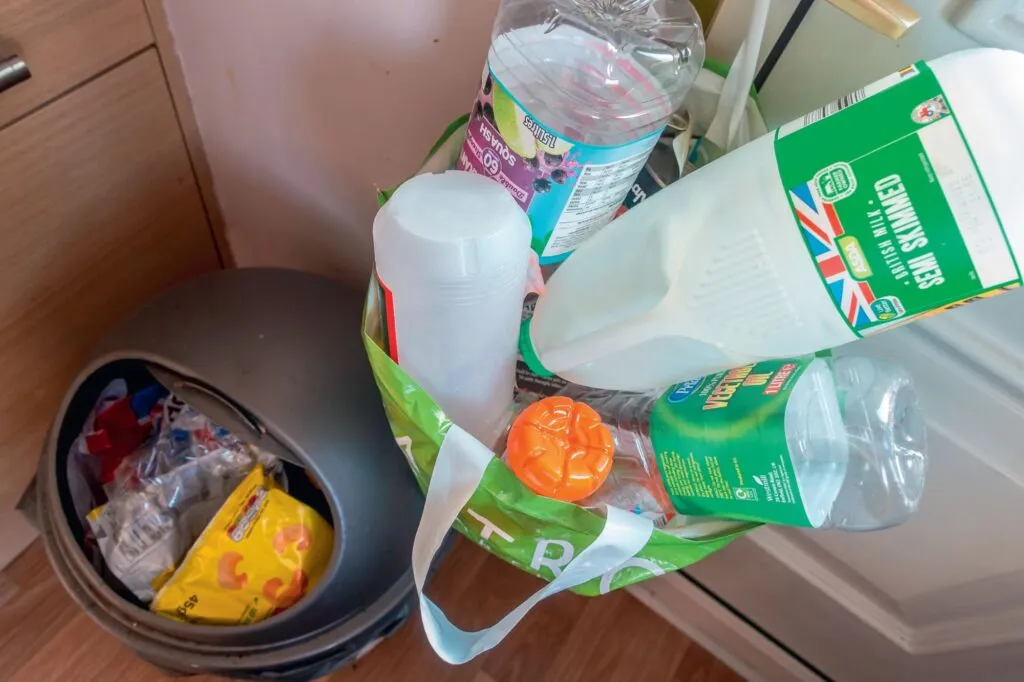
For the waste management and recycling sectors, this transition has triggered a structural shift in waste generation. The decline in office occupancy has reduced commercial waste volumes, which are typically easier to collect and segregate. Conversely, municipal household waste has increased. This domestic stream often contains higher levels of contamination, making it more challenging and expensive for UK waste companies to sort and process into high-quality recyclate.
For UK packaging converters and Turkish recyclers, these shifting dynamics have direct commercial and operational implications. Turkish processors relying on imported UK polymer scrap may observe fluctuations in bale quality and composition as more packaging waste originates from domestic rather than commercial collection streams. Additionally, as carbon accounting regulations become more stringent across Europe, companies are increasingly required to report on Scope 3 emissions. This includes accounting for the carbon footprint of remote employees, making accurate data collection on home energy and waste practices essential for compliance.
The practical takeaway for industry operators is the need to adapt collection infrastructure and carbon reporting methodologies. UK waste collectors should optimize municipal sorting technologies to handle more complex domestic packaging streams. Simultaneously, both UK and Turkish firms must update their environmental, social, and governance (ESG) frameworks to accurately capture the decentralized carbon footprints of a hybrid workforce, ensuring long-term regulatory compliance and supply chain transparency.