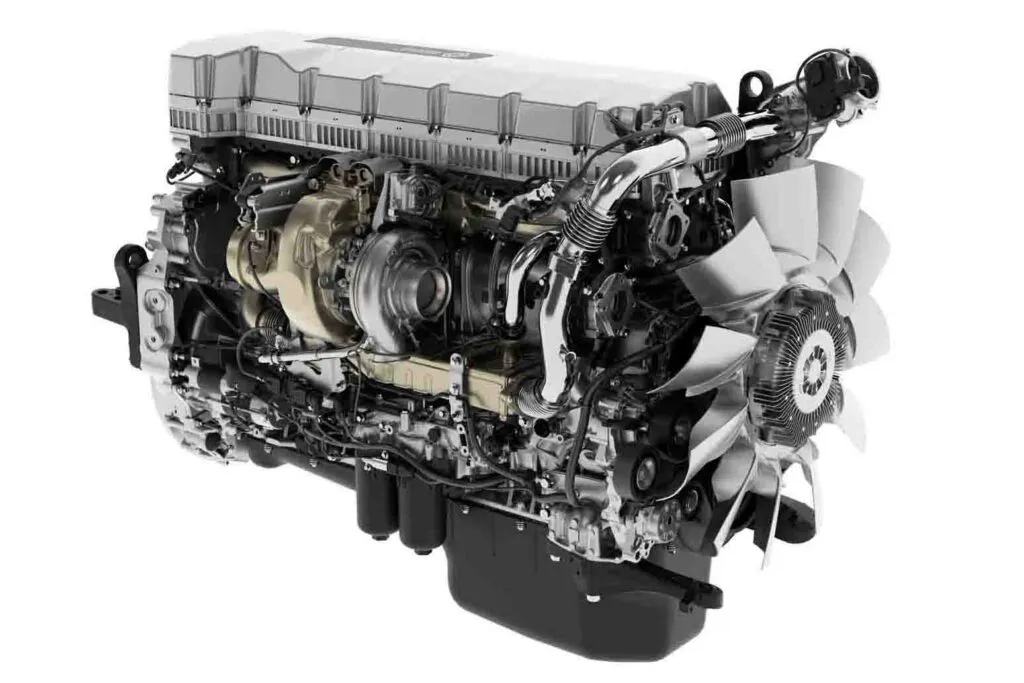
Commercial vehicle manufacturers are rolling out upgraded heavy-vehicle powertrains designed to reduce fuel consumption and greenhouse gas emissions across road haulage operations. The latest engine refinements achieve fuel savings of up to 4% compared with previous-generation models, delivering corresponding reductions in tailpipe carbon dioxide emissions across waste collection and regional transport fleets.
For waste management companies and logistics providers operating in the recycling sector, road haulage accounts for a substantial proportion of direct operational expenditure and carbon output. While full fleet electrification remains capital-intensive and constrained by charging infrastructure for heavy duty cycles, incremental efficiency gains in internal combustion engines provide an immediate mechanism to reduce fuel overheads and fleet carbon intensity.
For UK waste collectors and cross-border traders shipping recovered plastics between the UK and Türkiye, transport efficiency bears directly on operational margins and Scope 1 and Scope 3 emissions reporting. As corporate sustainability disclosures become mandatory across Europe and the UK, downstream packaging converters and brand owners increasingly demand audited carbon data for imported recycled polymers and secondary raw materials. Adopting more efficient fleet powertrains—or requiring logistics partners to meet updated efficiency benchmarks—helps recyclers defend operating margins while curtailing the embodied transport emissions of cross-border material flows.
Practical Takeaway: Fleet managers and procurement teams should incorporate fuel-efficiency performance benchmarks into upcoming vehicle replacement cycles and third-party haulage tenders to secure immediate reductions in transport carbon and operating costs.