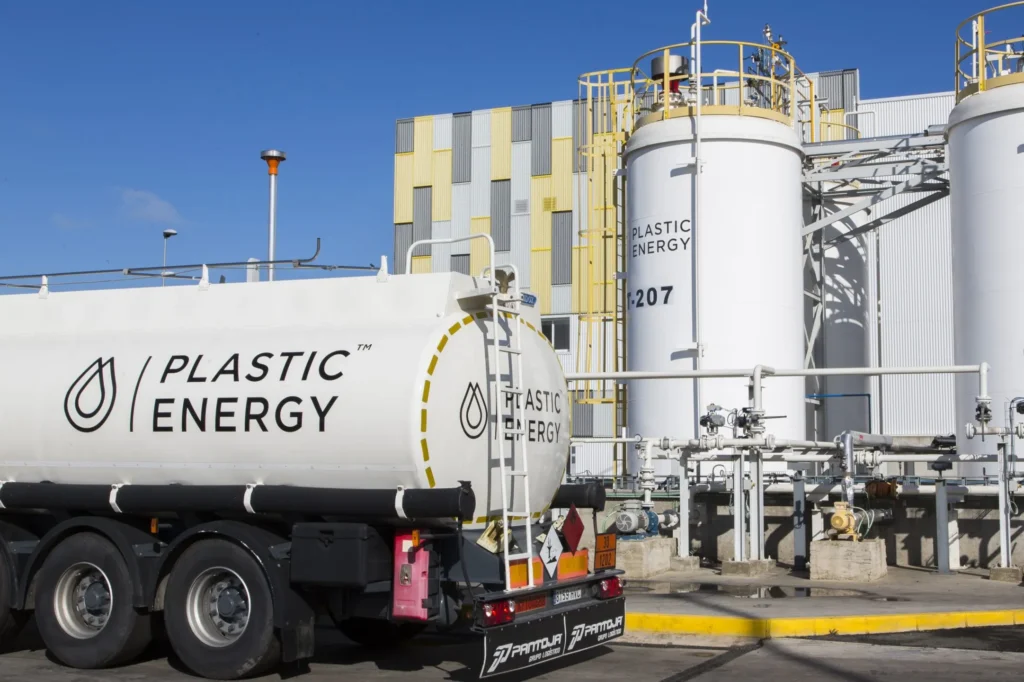
UK-based chemical recycling technology provider Plastic Energy has formally exited administration following a corporate restructuring and the appointment of a new leadership team. Founder Carlos Monreal reiterated the company's commitment to scaling advanced recycling infrastructure, arguing that regulatory frameworks must evolve quickly to match private sector investments in circular plastics technology.
The company, which operates commercial pyrolysis plants converting hard-to-recycle plastic waste into chemical feedstock for new virgin-quality polymers, faced financial headwinds that forced it into administrative process. Its successful emergence provides relief to a sector grappling with high capital costs, technical scaling hurdles, and lingering regulatory uncertainty surrounding chemical recycling accounting methodologies across Europe.
Why It Matters
Chemical recycling is widely viewed as a necessary complement to traditional mechanical processing, particularly for flexible polyolefin packaging and food-contact applications where mechanical post-consumer resin struggles to meet strict regulatory purity standards. However, the commercial viability of pyrolysis technologies depends heavily on consistent waste feedstocks and clear legislative acceptance of mass balance attribution methods under schemes such as the UK Plastic Packaging Tax and the EU Packaging and Packaging Waste Regulation.
For UK waste management companies, packaging converters, and Turkish recycling operators, Plastic Energy's restructuring highlights both the persistence of advanced recycling technologies and the financial volatility of early-stage infrastructure. If chemical recyclers expand processing capacity, competition for high-purity sorted flexible films (LDPE and PP) will intensify across Europe and neighboring export markets, potentially diverting material from mechanical reprocessors. Conversely, if regulatory recognition of mass balance rules remains stalled in key jurisdictions, converters may hesitate to contract long-term off-take agreements for chemically recycled polymers.
Practical Takeaway
Packaging converters and waste handlers should evaluate their feedstock portfolios and maintain a dual-track strategy. While mechanical recycling remains the most cost-effective route for rigid polymers, reprocessors and exporters servicing the UK and EU markets must closely monitor emerging mass balance guidelines to determine when chemical recycled content will become commercially compliant for high-spec applications.