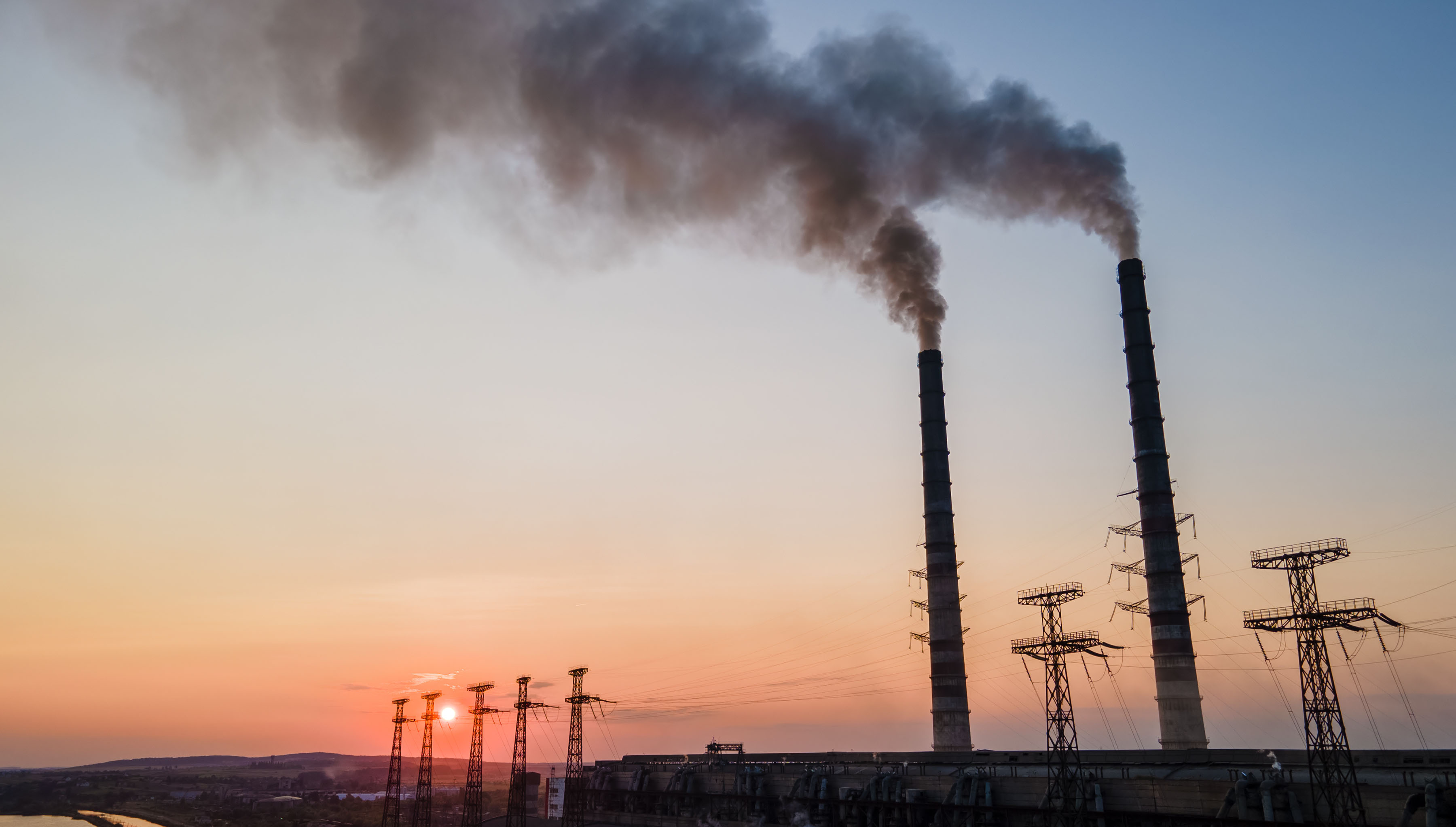
New research indicates that leading global oil and gas producers are on track to double their combined quarterly net income to approximately $45 billion, even as corporate greenhouse gas emissions continue to rise. The study links historical emissions from the largest oil and gas businesses to a quarter of heatwave events recorded over the past two decades, amplifying criticism from climate policy advocates.
While upstream petrochemical and energy production remains financially lucrative, the ongoing increase in emissions reinforces political momentum for stricter corporate decarbonisation rules. As public and regulatory scrutiny intensifies, companies across manufacturing and material supply chains are finding that reliance on primary fossil feedstocks carries heightened regulatory and reputational risks.
For UK waste management firms, packaging converters, and Turkish plastics recyclers, these developments accelerate the need for transparent carbon accounting. Brand owners and industrial end-users face expanding reporting obligations under mechanisms like the EU Corporate Sustainability Reporting Directive (CSRD) and the UK Climate-related Financial Disclosures framework. Because secondary resins generate a significantly smaller carbon footprint than virgin polymers, recyclers are uniquely positioned to help packaging manufacturers lower their Scope 3 emissions. However, commercial buyers increasingly demand verified life-cycle data to substantiate these savings, meaning recyclers must ensure their carbon accounting practices are robust and audit-ready.
A key practical takeaway for industry operators is to standardise verified carbon footprint data for all recycled polymer grades. Providing clear, certified carbon metrics alongside technical product specifications gives recyclers and converters a distinct commercial edge when competing against primary fossil-based resins in an increasingly carbon-conscious market.