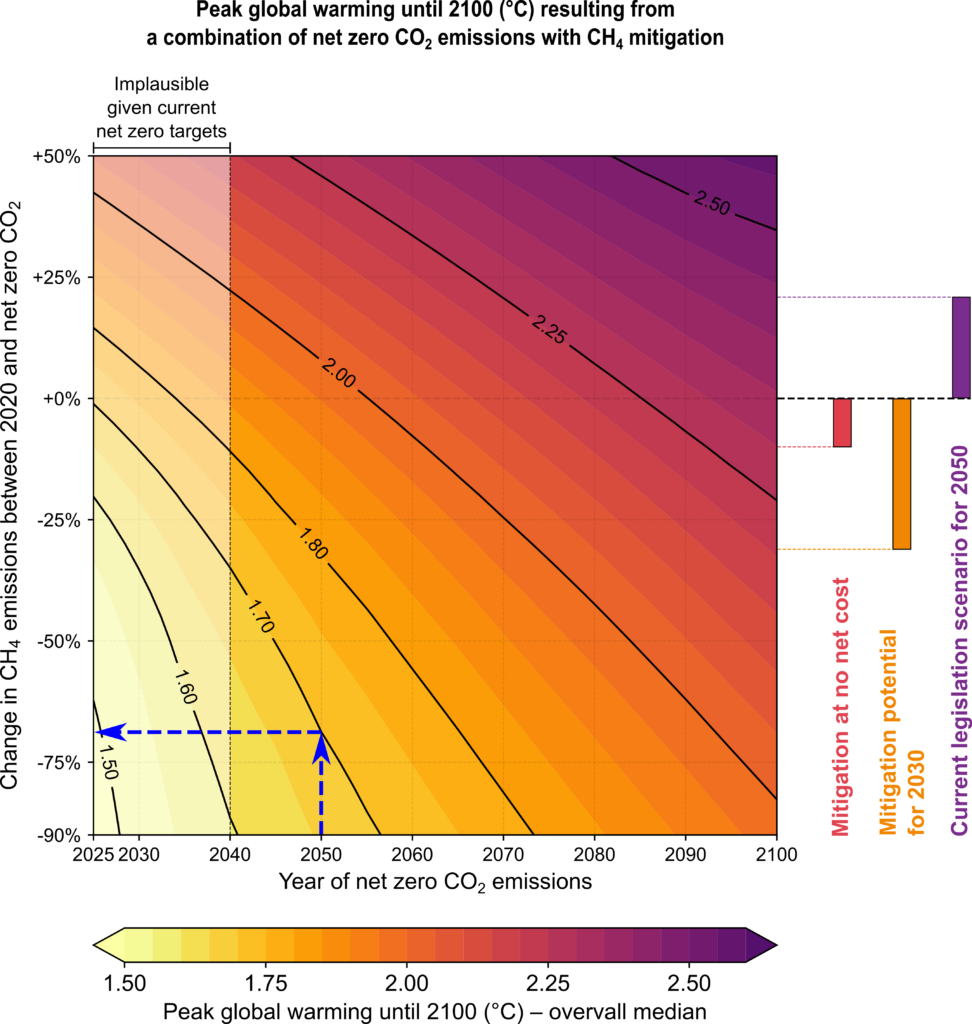
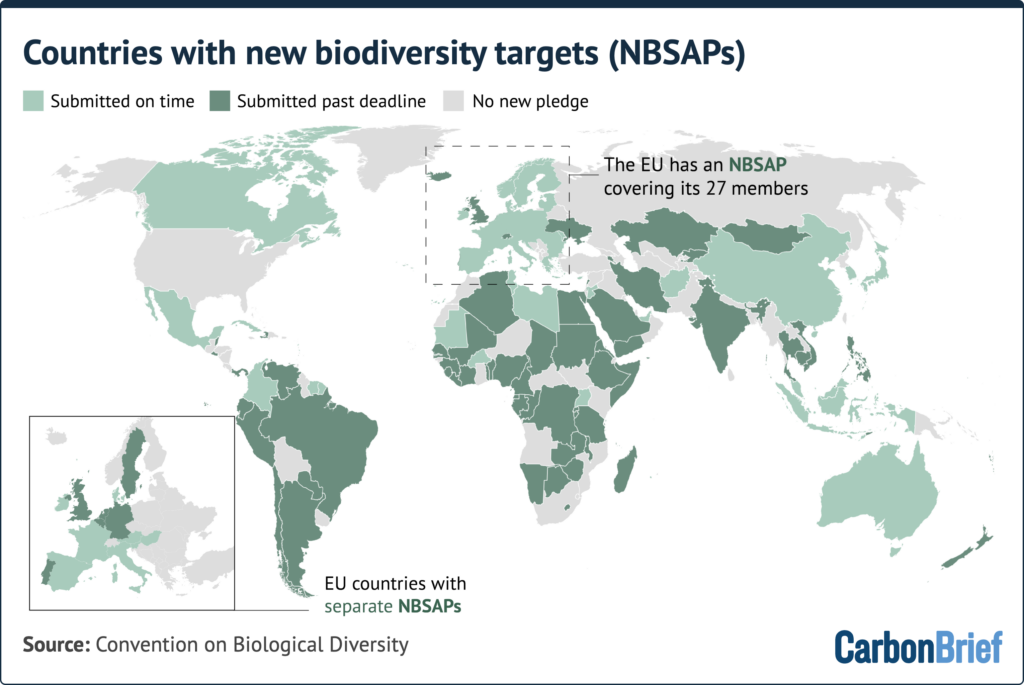
A recent analysis published by Carbon Brief highlights that aggressive reductions in methane emissions are critical to keeping global warming well below the 2°C threshold. While carbon dioxide remains the primary focus of long-term climate policy, methane is a far more potent greenhouse gas in the short term, trapping significantly more heat over a 20-year timescale. Consequently, international climate strategies are increasingly targeting methane sources to achieve rapid cooling effects.
For UK waste management firms and Turkish recyclers, this intensifying focus on methane has direct operational and regulatory implications. The waste sector is one of the largest global contributors to anthropogenic methane, primarily driven by the decomposition of organic material in landfills. As governments tighten emissions targets, policies designed to divert biodegradable waste from landfills will inevitably accelerate. This shift will alter the feedstock landscape, pushing more mixed waste stream processing and demanding higher recovery rates for plastics and other dry recyclables.
Furthermore, corporate carbon accounting is evolving. Packaging converters and brand owners are under pressure to report and reduce their Scope 3 value chain emissions. Because landfilling plastic-associated organic waste generates substantial methane, demonstrating a closed-loop recycling pathway becomes a powerful mechanism for brands to lower their calculated carbon footprint. Turkish recyclers exporting to the UK and EU can leverage this by providing transparent, low-carbon-intensity recycled polymers, which help clients avoid the high-emission profiles associated with landfilling.
Practical Takeaway: UK waste operators and Turkish recyclers should proactively integrate methane-equivalent metrics into their carbon reporting. Demonstrating how recycling processes actively prevent landfill methane emissions will offer a distinct competitive advantage as corporate procurement teams increasingly prioritise verified Scope 3 reductions.