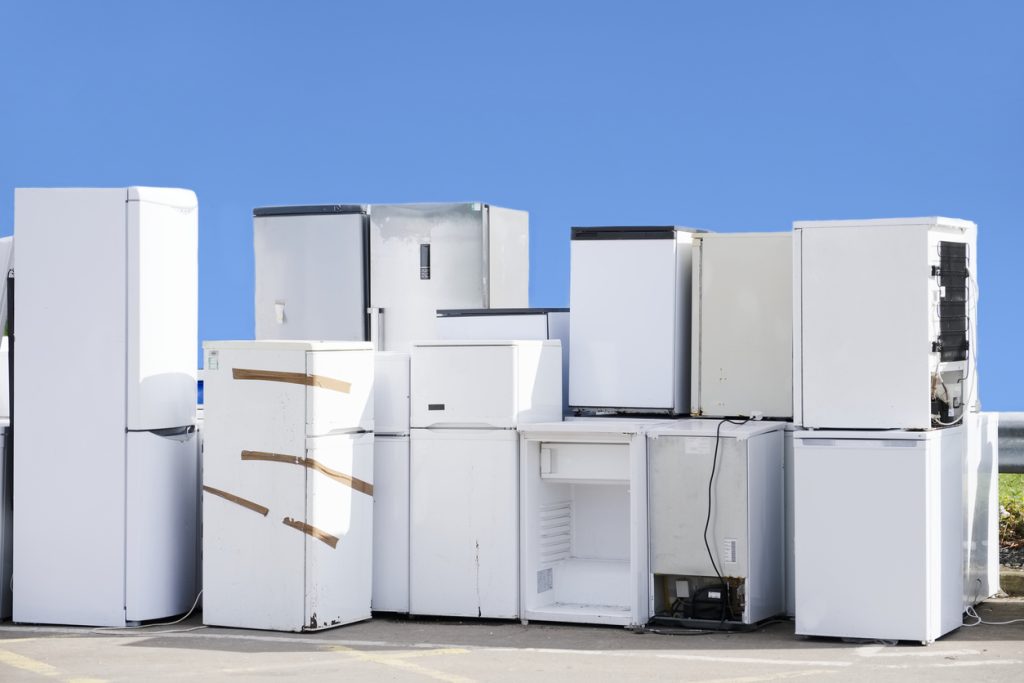
Contractors undertaking the clean-up of a notorious 21,000-tonne illegal waste dump in Kidlington, Oxfordshire, have discovered additional volumes of refuse concealed beneath thick layers of soil. The site, long subject to regulatory enforcement, highlights the scale of legacy waste illegalities across the UK landscape and the extensive operational requirements needed to remediate non-compliant storage locations.
The discovery of hidden waste during remediation projects underscores the Environment Agency’s imperative to eradicate waste crime and enforce strict site boundaries. For the wider UK waste sector, high-profile clean-ups serve as a reminder of the financial and operational liabilities associated with unauthorized waste deposition. Regulators are increasingly scrutinising site operators, waste brokers, and carriers to prevent illegal stockpiling and unauthorized burial, which pose severe risks to soil quality and local ecosystems.
For UK waste handlers, packaging processors, and Turkish recyclers relying on imported waste streams, these ongoing enforcement actions signal a permanent shift toward tighter compliance oversight. Heightened vigilance by UK authorities means legitimate operators face more rigorous Duty of Care inspections and stricter tracking standards. Turkish buyers and trade intermediaries must ensure that all imported secondary materials are backed by fully verified supply chains and robust Annex VII documentation, ensuring no exposure to non-compliant supply networks or legacy waste liabilities.
Practical Takeaway: Waste operators and brokers should audit upstream suppliers immediately, ensuring robust chain-of-custody documentation and regular physical checks of third-party storage facilities to maintain full compliance with UK environmental standards.