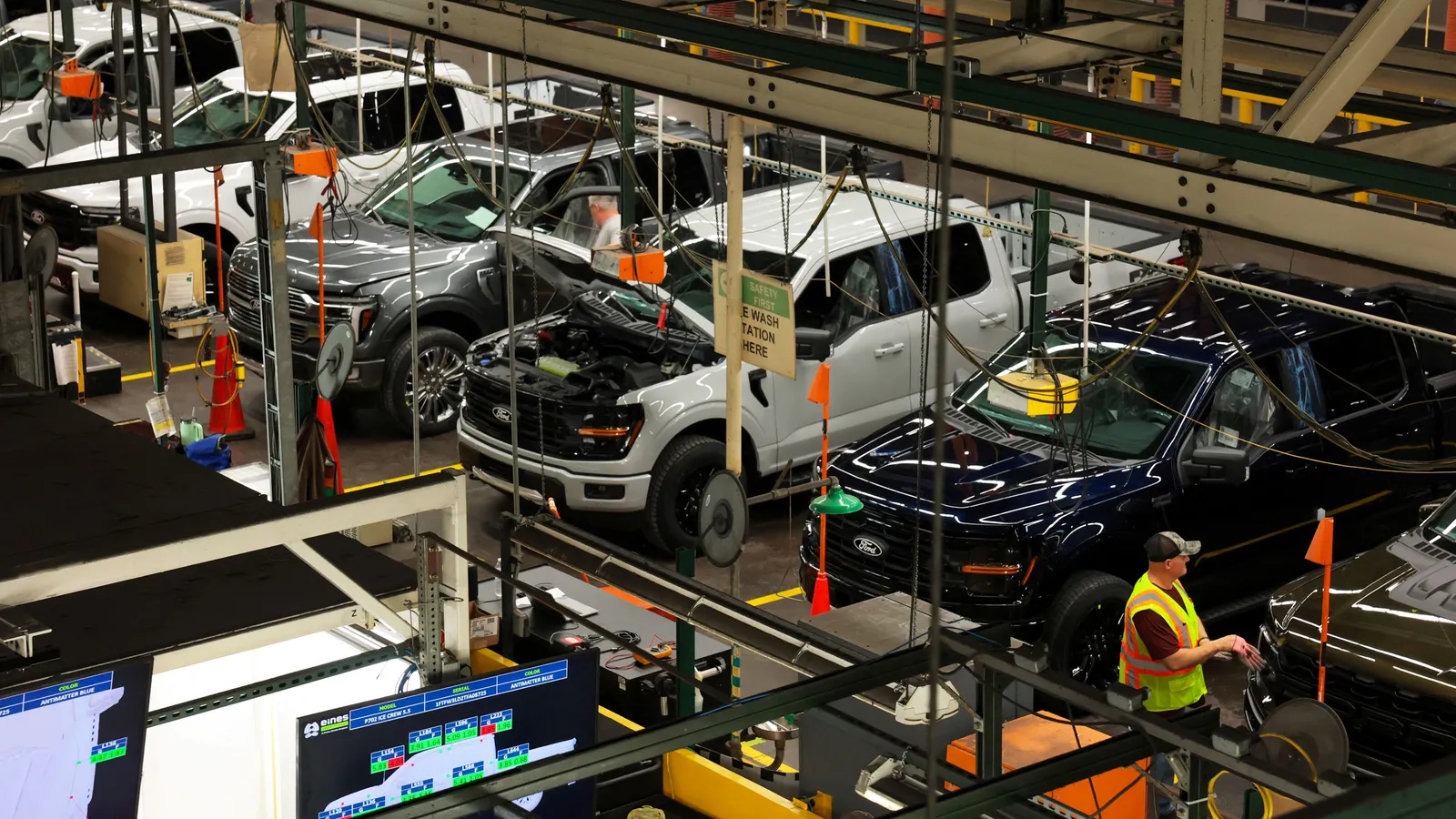
A new report backed by environmental services group Veolia has warned that rapid expansion in advanced manufacturing sectors could generate an additional four million tonnes of hazardous waste annually by 2033. The projected surge is driven by heavy investments in semiconductors, automotive manufacturing—particularly electric vehicles—and biotechnology. The findings highlight an urgent need to "ensure capacity keeps up" with rapid industrial expansion, preventing severe bottlenecks in the supply chain.
While these advanced industries are critical to the green transition and technological sovereignty, their production processes are highly chemical-intensive. This creates a paradox where clean-technology manufacturing yields complex, hazardous waste streams that cannot be handled by standard municipal or commercial recycling facilities.
For plastic recyclers and waste managers in the UK and Türkiye, this trend carries significant operational implications. Both nations host major automotive and industrial manufacturing hubs. As these sectors transition to high-tech components, the plastic waste they generate is increasingly likely to contain hazardous additives, flame retardants, or composite materials. For Turkish recyclers importing industrial scrap from the UK and Europe, stricter enforcement of transboundary waste shipments means that contaminated or hazardous polymer streams face severe export restrictions. Compliance costs are set to rise as regulators tighten thresholds for Persistent Organic Pollutants (POPs) and other hazardous substances in recycled plastics.
The practical takeaway for recycling operators is the necessity of upgrading feedstock testing and sorting capabilities. To safeguard output quality and maintain access to export markets, recyclers must proactively screen incoming industrial plastics for hazardous chemical residues, ensuring they can isolate contaminated batches before they enter the main recycling stream.