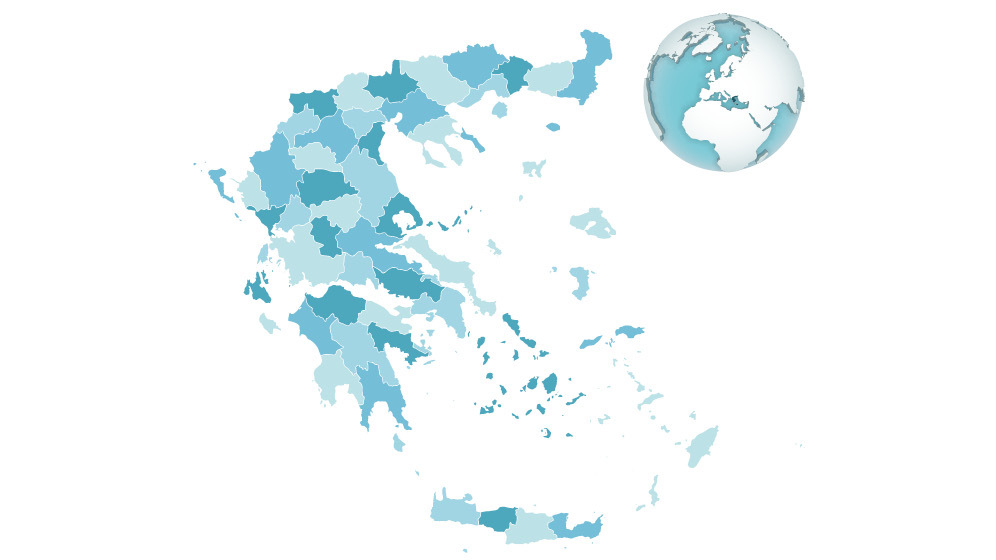
Greece has undergone a remarkable transformation in its waste management practices, moving from being one of the European Union's poorest performers to a nation now lauded for its progress towards a circular economy. This significant shift, highlighted in a recent discussion by Antonios Sakalis of ENVIROPLAN and Manolis Grafakos from the Greek Ministry of Environment and Energy, demonstrates a proactive commitment to environmental reform.
Just a few years ago, Greece faced potential penalties from the EU due to its reliance on landfill and low recycling rates. However, through strategic policy changes and concerted efforts, the country has embraced a new direction. The reforms focus on reducing waste generation, increasing recycling and reuse, and improving the overall efficiency of resource management. This pivot aligns Greece firmly with the EU's ambitious circular economy action plan, aiming to keep resources in use for as long as possible.
This turnaround is not merely an internal Greek success story; it carries broader implications for the European waste and recycling sector. It underscores the effectiveness of robust regulatory frameworks, coupled with political will and expert guidance, in driving substantial environmental improvements. Greece's experience offers a tangible example that even nations with historical challenges can achieve significant progress in modernising their waste infrastructure and adopting circular principles. The shift creates new demands for advanced sorting technologies, processing capabilities, and markets for secondary raw materials.
For UK waste companies and Turkish recyclers, Greece's progress signals a reinforcing trend across the EU. UK waste companies may find increased demand for high-quality, sorted plastic waste streams and recycled polymers from EU markets, as member states like Greece enhance their circularity efforts. Turkish recyclers, a crucial link in the European plastics supply chain, will see opportunities to process and supply these materials, but must also be prepared to meet increasingly stringent quality, traceability, and sustainability standards driven by EU regulations. The UK, despite Brexit, often aligns with EU environmental goals, and the Greek example reinforces the global imperative to move away from landfill and towards higher-value recycling, directly impacting the types and quality of plastics available for international trade.
The practical takeaway from Greece's journey is clear: proactive engagement with circular economy directives and strategic investment in modern waste management infrastructure are crucial. Such efforts not only mitigate environmental impact but also foster economic opportunities, creating a more robust and resilient market for recycled plastics and other secondary raw materials. This shift ultimately benefits all stakeholders in the plastics value chain, from waste generators to polymer converters.