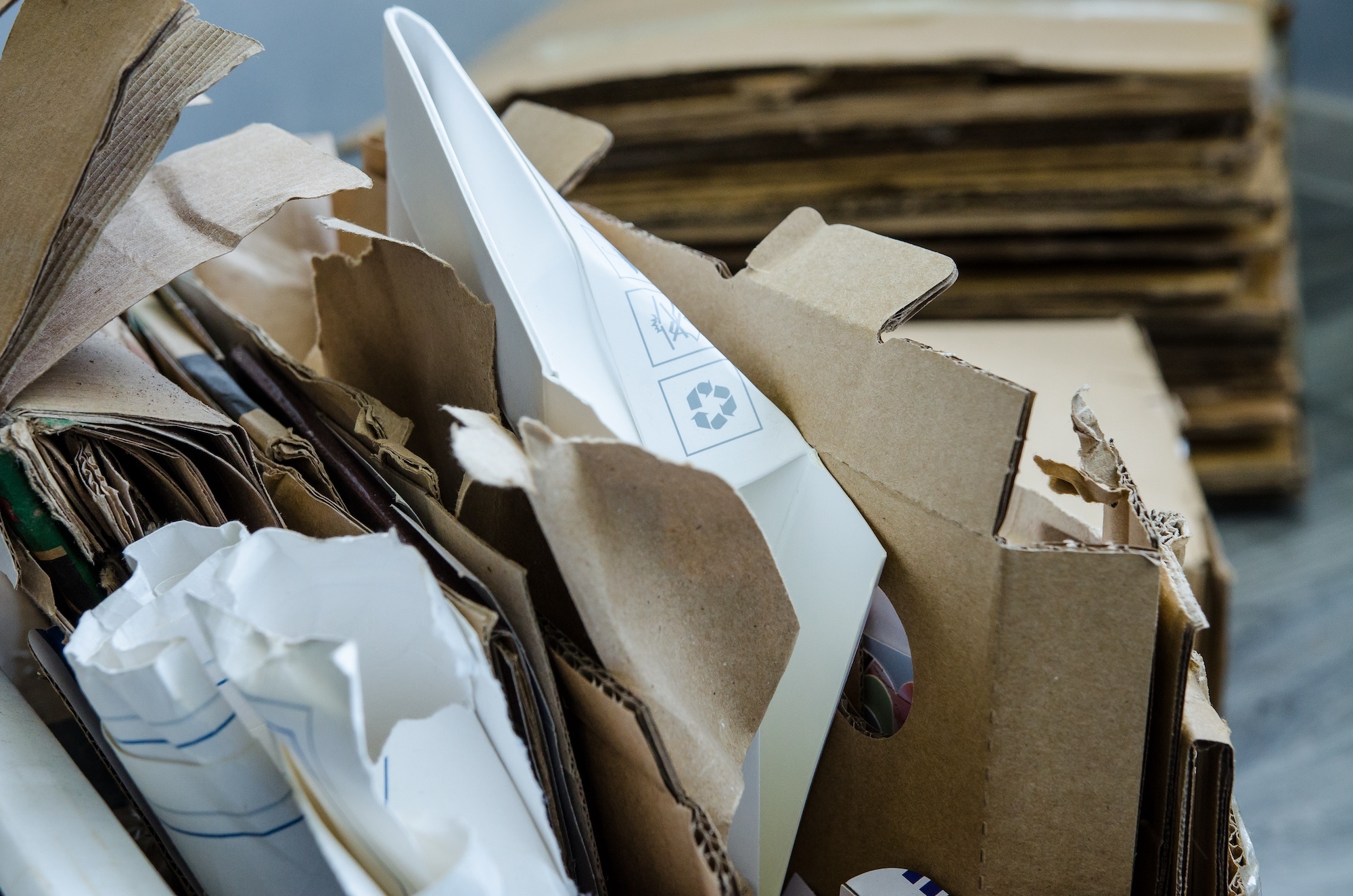
The Bureau of International Recycling (BIR) Paper Division has highlighted that while recovered paper prices have shown signs of recovery, the underlying market remains highly volatile. This instability is driven not by a fundamental surge in consumer demand, but by logistical disruptions, fluctuating shipping costs, and shifting international trade regulations. According to BIR analysis, the global trade of secondary materials is operating on increasingly "fragile ground" due to external regulatory and economic pressures.
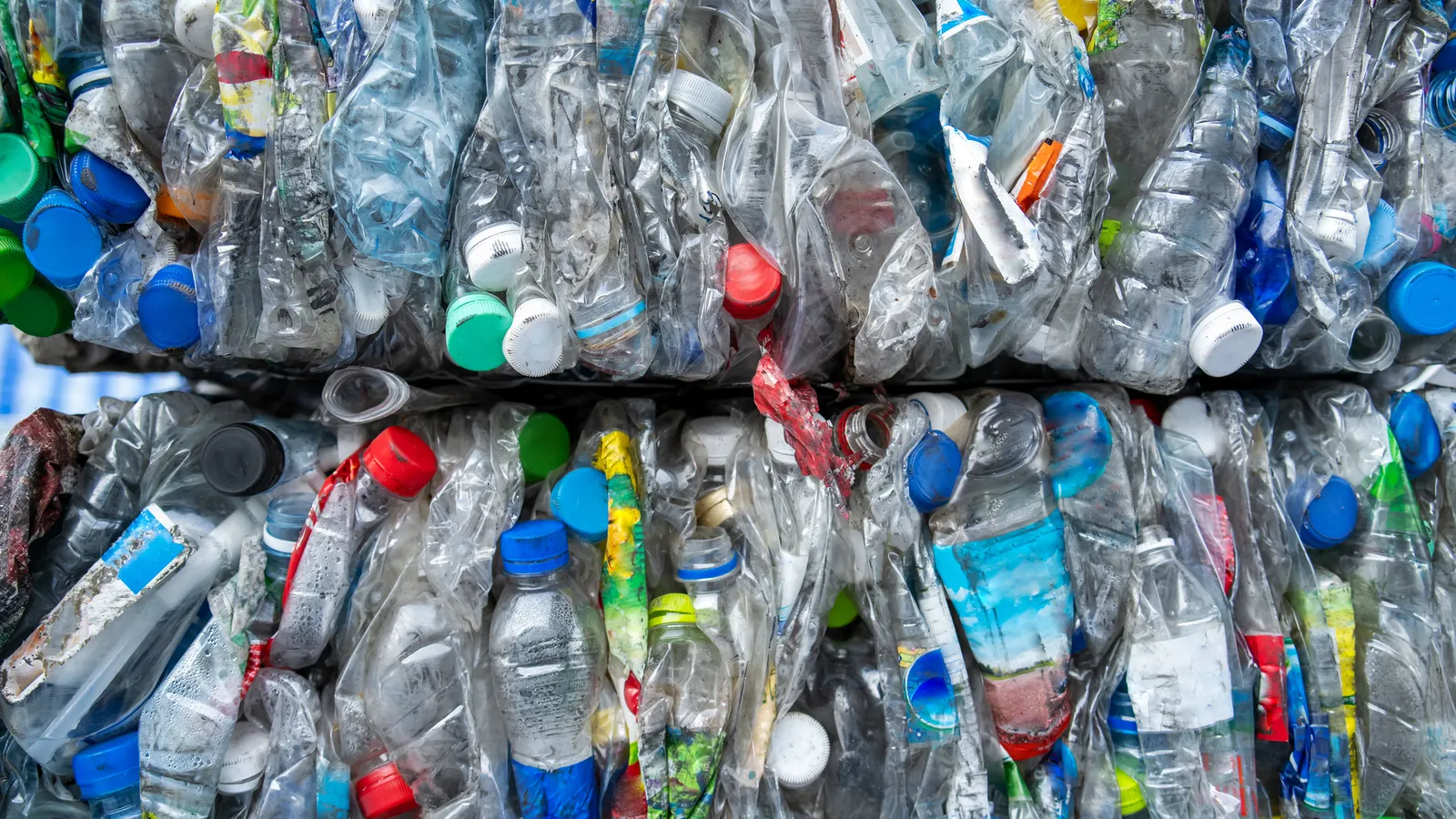
These dynamics serve as a bellwether for the wider secondary materials sector, including plastics. Rising freight rates and container shortages do not just impact paper; they directly squeeze the margins of polymer exporters. Furthermore, as governments globally tighten regulations on waste exports—such as the EU's revised Waste Shipment Regulations—recyclers of all materials must navigate increasingly complex compliance landscapes. The BIR warns that artificial interventions in trade flows risk undermining the economic viability of the circular economy.
For UK waste exporters and Turkish polymer recyclers, these trends underscore the danger of relying on volatile spot markets. Turkish recyclers, who rely heavily on imported feedstocks, must prepare for sustained logistical volatility and potential supply chain bottlenecks. To mitigate these risks, businesses should focus on securing long-term supply contracts and improving domestic sorting quality to meet stricter import standards. Additionally, understanding how shipping disruptions affect alternative materials helps traders anticipate shifts in freight capacity and pricing.
Practical Takeaway: Recyclers should diversify their sourcing routes and invest in local processing capabilities to buffer against international shipping shocks and regulatory shifts in waste export policies.