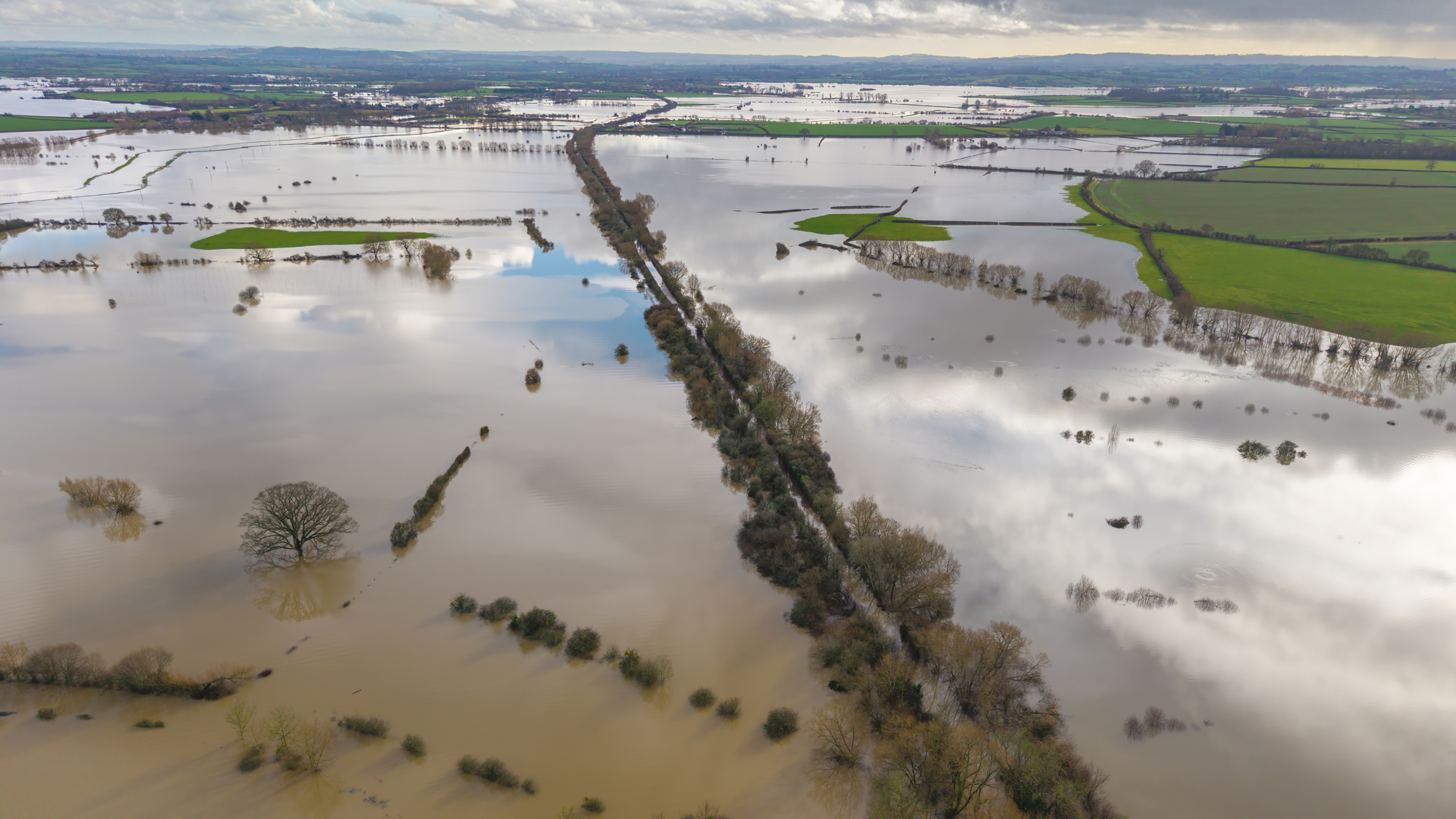
Environment Bank, operator of England's network of Habitat Banks, has outlined a framework to convert upstream nature restoration into investable natural infrastructure assets. The initiative targets institutional capital—specifically from the insurance sector—to fund large-scale habitat creation aimed at mitigating flood risk. While financial institutions hold significant capital and clear visibility over escalating flood liabilities, standardized contractual mechanisms bridging private investment and land-based ecosystem restoration have historically been missing.
Why it matters
As severe weather events grow more frequent across the UK, physical assets across the industrial supply chain face heightened operational risks and escalating insurance costs. Traditional concrete engineering solutions are increasingly expensive and carbon-intensive to construct. Upstream nature-based solutions, such as wetland creation and catchment management, offer cost-effective, long-term flood mitigation alongside biodiversity and carbon sequestration benefits. Establishing natural infrastructure as a recognized asset class enables commercial operators to secure structured private funding for catchment-wide resilience projects.
Impact on recyclers and packaging operators
For UK waste management firms, plastic reprocessors, and packaging converters, flooding represents an immediate threat to operational continuity. Processing facilities, material recovery facilities (MRFs), and outdoor storage yards are frequently located in low-lying industrial estates susceptible to surface water flooding and river overflows. Integrating nature-based flood mitigation into corporate sustainability planning helps industrial operators mitigate physical disruption and control rising property insurance overheads.
Additionally, as sustainability disclosures expand to cover natural capital and biodiversity impacts—driven by international frameworks such as the Taskforce on Nature-related Financial Disclosures (TNFD)—participating in or sourcing credits from upstream habitat schemes allows waste sector businesses to demonstrate proactive climate adaptation while fulfilling ESG compliance requirements.
Practical takeaway
Waste and recycling operators should review the surface water and river flood risks associated with their processing sites, exploring how local natural infrastructure projects and habitat credits can complement physical site defenses and corporate ESG reporting.