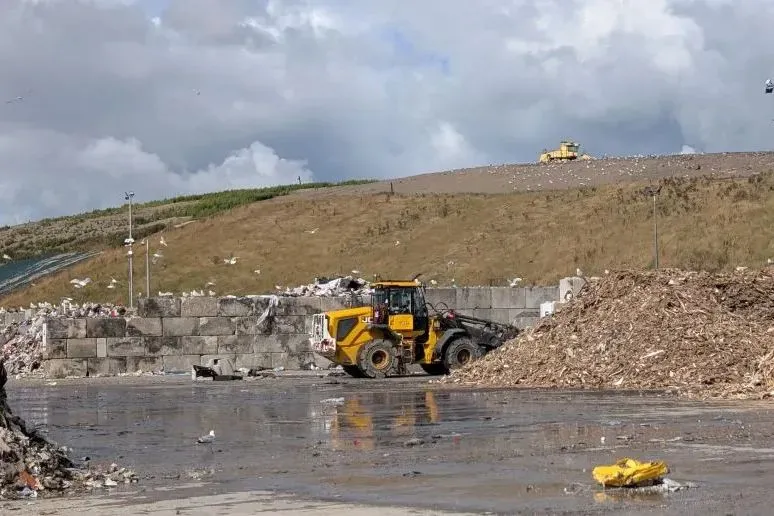
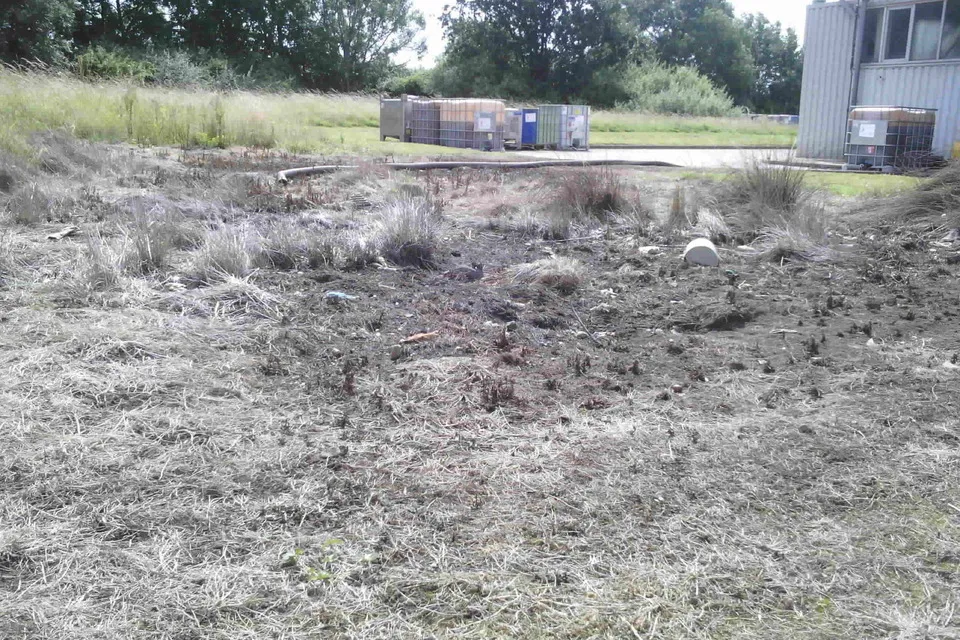
Fife Council has committed £1.8m towards upgrading fire suppression systems across its waste treatment infrastructure, following a severe fire at a local facility in May. Local authorities highlighted that while hardware investments in automated suppression are essential, public cooperation on safe battery disposal remains critical to preventing future incidents.
The decision reflects a broader, urgent challenge across the UK waste and recycling sector. The proliferation of small lithium-ion batteries in household waste streams—often contained within disposable e-cigarettes, toys, and small electrical devices—has led to a sharp increase in facility fires across Great Britain. These incidents cause severe structural damage, disrupt regional waste processing capacity, and drive up sector-wide insurance premiums.
What this means for trade and operations
For UK waste management companies, the investment underlines the rising capital expenditure required to maintain site safety and operational viability against rogue battery contamination. As insurance providers demand increasingly stringent automated detection and suppression technology before issuing cover, facility operators face escalating compliance and capital costs.
For Turkish recyclers relying on imported UK post-consumer plastic scrap, disruptions at primary UK sorting and treatment sites directly threaten feedstock supply chains. Fires at UK waste handling facilities temporarily choke off material throughput, resulting in export delays, inconsistent bale quality, and localized supply volatility. Maintaining reliable secondary polymer trade between the UK and Türkiye depends on robust operational resilience at the top of the UK collection chain.
Practical takeaway
UK site operators should review their current fire risk assessments and evaluate whether existing thermal detection and localized suppression systems meet upcoming insurance benchmarks. Simultaneously, waste collectors must strengthen battery segregation mechanisms at source to mitigate ignition risks before material reaches processing belts.