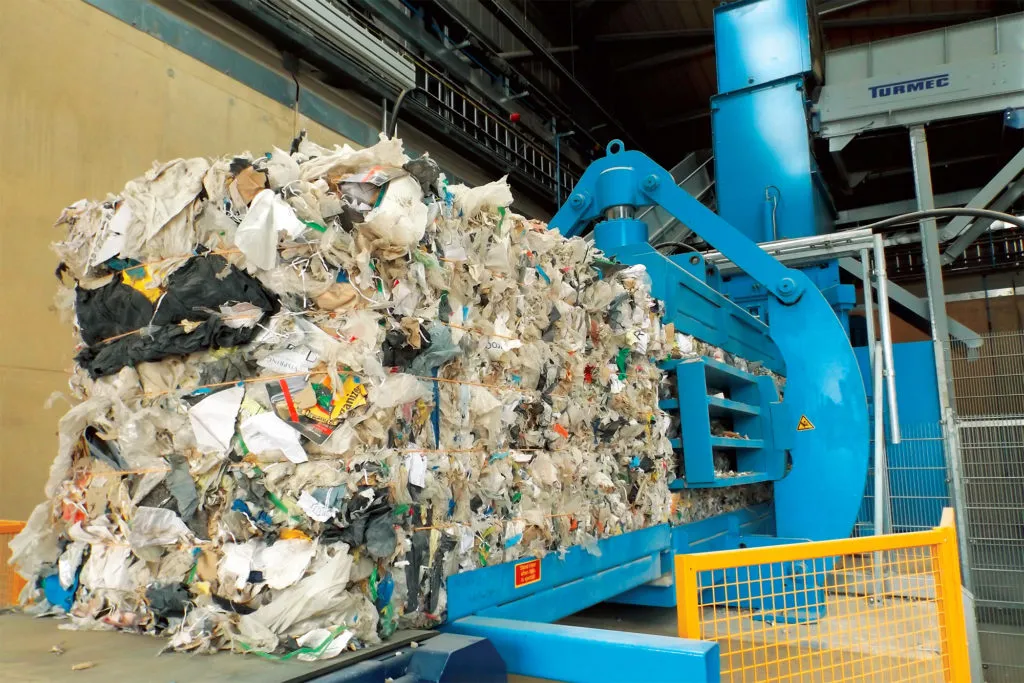
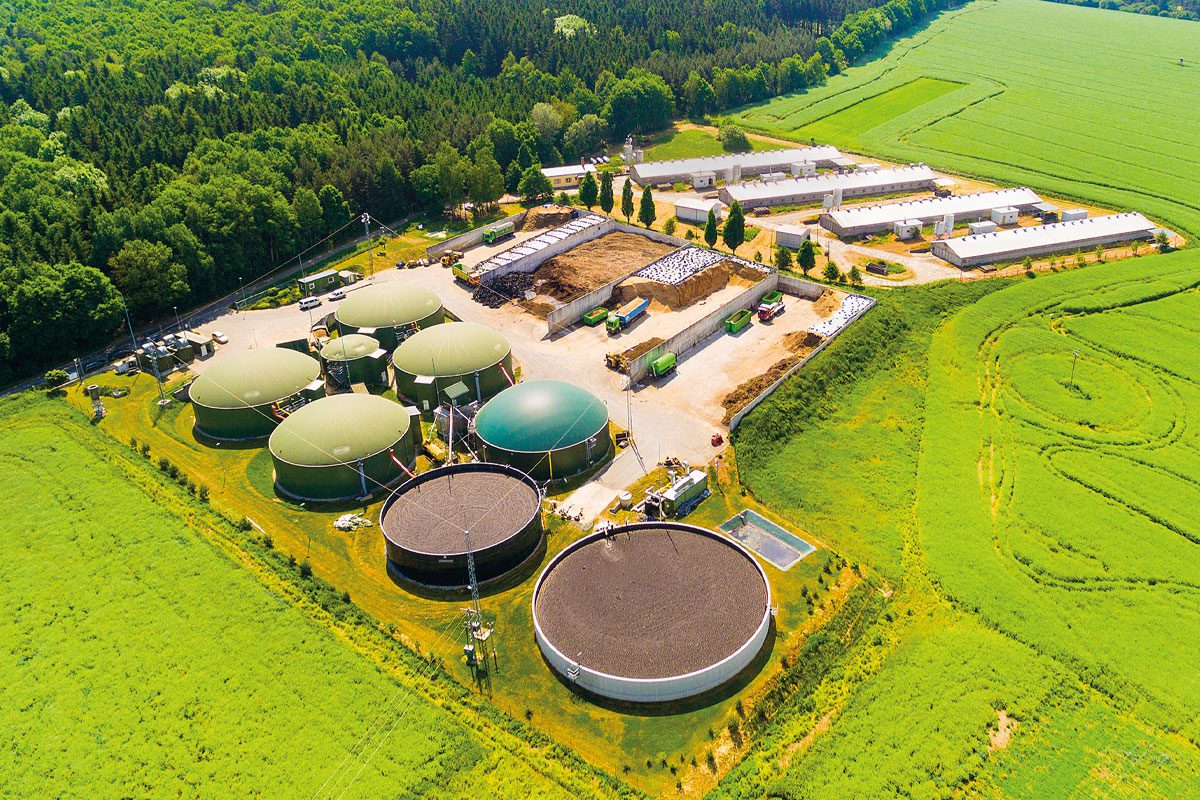
The RDF Industry Group has warned that fragmented landfill and incineration tax regimes across Europe are creating market distortions, undermining the transition toward a circular economy. Disparate fiscal policies among European nations mean that waste treatment costs vary significantly depending on jurisdiction, encouraging regulatory arbitrage rather than prioritising high-value recycling.
Inconsistent tax frameworks across the continent mean that materials often move toward the cheapest operational disposal routes rather than following the strict order of the waste hierarchy. While some European countries levy heavy taxes on energy-from-waste (EfW) incineration to incentivise recycling, others maintain minimal levies or exempt thermal treatment altogether. This creates a financial landscape where waste management decisions are driven primarily by tax differential mechanics rather than environmental impact.
The issue is set to become more pronounced as regional climate policies evolve. The planned inclusion of municipal waste incineration in the EU Emissions Trading System (EU ETS), alongside potential similar moves in the UK, will add further cost complexity. Without regulatory alignment, these overlapping tax and carbon pricing measures risk distorting cross-border waste flows and failing to drive higher mechanical recycling rates.
What it means for UK–Türkiye waste and recycling networks
For UK waste management firms, packaging converters, and Turkish recycling facilities, these tax discrepancies directly influence material economics and supply availability. Inconsistent incineration taxes alter gate fees across Europe, changing the commercial rationale for pre-sorting plastic fractions prior to energy recovery. Higher thermal treatment costs in northern Europe can drive better front-end sorting to extract recyclable polymers, whereas low-tax environments reduce the financial urgency to recover secondary plastics. For Turkish reprocessors importing European post-consumer bales, changes in European municipal waste tax structures impact both the pricing and the contamination levels of feedstocks entering international recovery channels.
Practical takeaway
Recyclers and waste operators should map out expected changes in local incineration and carbon taxation across their key operating regions. Investing in advanced automated sorting infrastructure now allows companies to extract high-value plastic polymers from commercial waste streams before those materials incur rising thermal treatment levies or carbon compliance costs.