European Aluminium, alongside German industry association A/U/F, has detailed progress on a dedicated closed-loop recycling system for aluminium extrusion scrap. The initiative focuses on collecting end-of-life construction materials and scrap from fabrication processes, ensuring high-purity metal is directed straight back into extrusion manufacturing rather than being downcycled into secondary alloys.
The scheme demonstrates how sector-specific collection frameworks can preserve material quality and significantly lower carbon intensity across industrial supply chains. Industrial scrap streams often face contamination or downcycling when processed through general commercial waste routes. By establishing standardized take-back criteria and transparent tracking, the initiative demonstrates how closed-loop logistics can significantly reduce Scope 3 emissions while securing high-grade secondary raw materials within Europe.
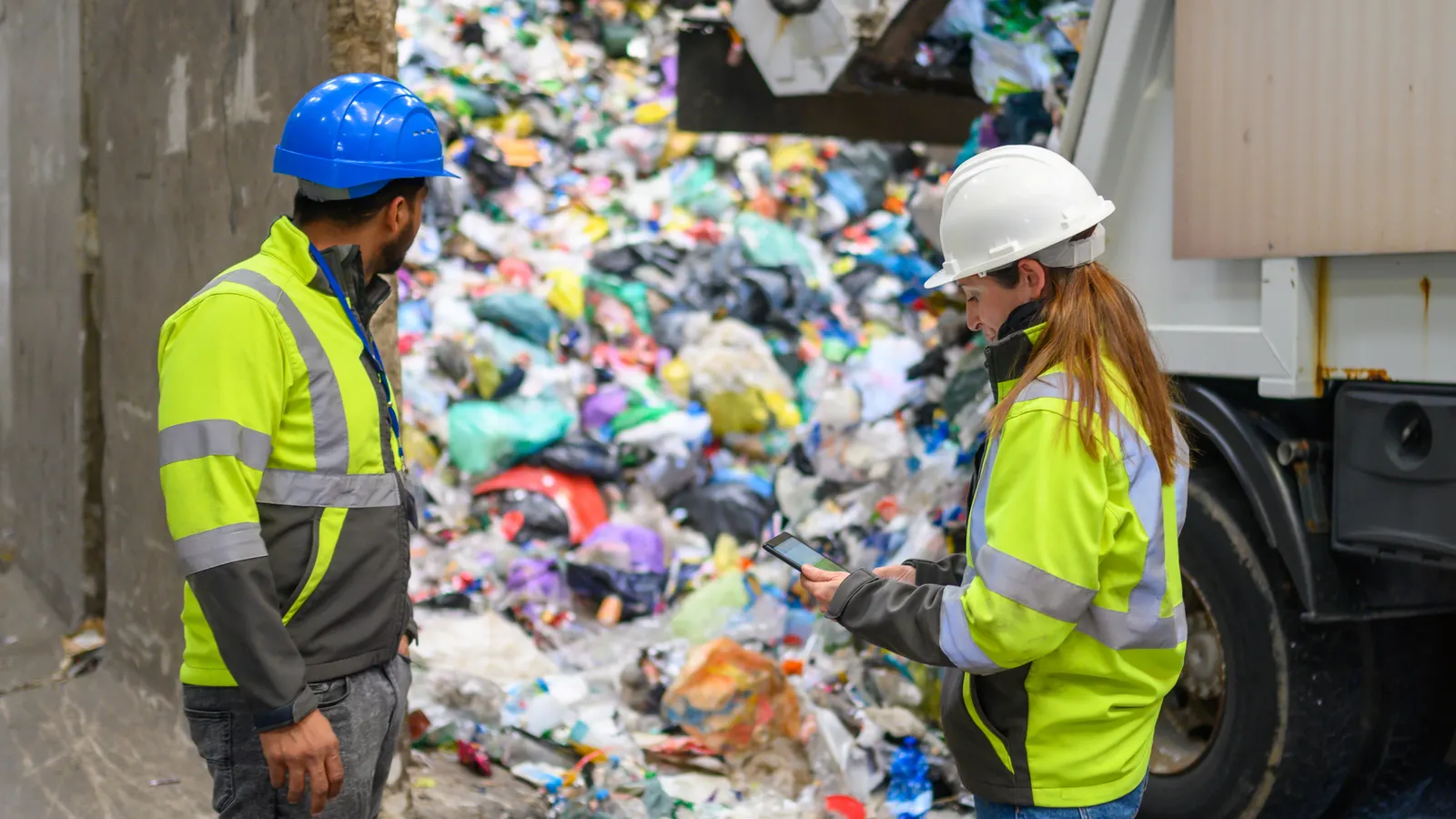
For UK and Turkish recyclers and waste managers, the expansion of closed-loop industrial models provides an important operational reference. As strict sustainability mandates—including the EU Corporate Sustainability Due Diligence Directive and carbon border accounting measures—continue to reshape European supply chains, scrap traceability and high-purity recycling become critical. Although this program focuses on metals, the structural principles apply directly to post-industrial polymer recycling. Operators managing plastic waste across the UK, EU, and Türkiye must prepare for heightened demand from manufacturers for verified, closed-loop secondary feedstocks that carry audited carbon reduction data.
Practical Takeaway: Recyclers should evaluate their current post-industrial material collection streams to establish direct take-back partnerships with converters and industrial users. Implementing granular feedstock tracking and verified carbon reduction metrics now will position recyclers to capture premium demand as European manufacturers seek certified closed-loop partners.