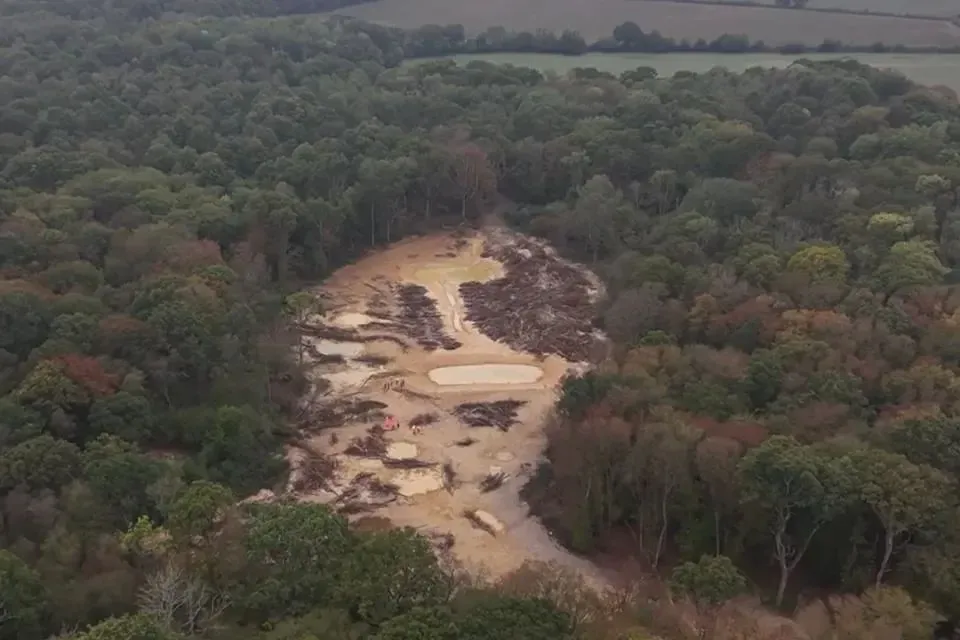
The Environment Agency (EA) has concluded the clearance of an ancient woodland site at Hoad’s Wood in Kent, following the removal of nearly 40,000 tonnes of illegally deposited waste. The extensive remediation project required £15 million in government funding after organized criminal networks dumped massive volumes of mixed waste, severely damaging the local ecological habitat.
The resolution of the Hoad’s Wood case highlights the growing financial and environmental toll of waste crime across the United Kingdom. Public anger over high-profile illegal dumping sites has intensified regulatory pressure on DEFRA and the Environment Agency to enforce waste management legislation more aggressively. For the waste sector, this remediation effort signals that enforcement bodies are taking firmer action against illicit operators, which will inevitably lead to broader statutory oversight across the entire waste handling chain.
For UK waste management firms, packaging processors, and international recycling partners, the case reinforces the necessity of absolute supply chain transparency. As authorities clamp down on illegal waste operators, legitimate recyclers and exporters sending secondary materials to processing hubs in Türkiye and Europe face increased compliance checks. Regulatory authorities are scrutinising origin documentation to ensure commercial waste streams are not contaminated by illicit materials. UK businesses must demonstrate clear duty of care compliance, while Turkish reprocessors must ensure their import supply chains originate from fully licensed, verified waste handlers to avoid regulatory sanctions or shipment rejections.
Practical Takeaway: Waste managers and trading businesses should audit their haulage and brokerage partners immediately. With digital waste tracking becoming mandatory across the UK, maintaining rigorous paper trails and verifying legitimate end-destinations is essential to mitigate compliance risks and protect corporate reputation.