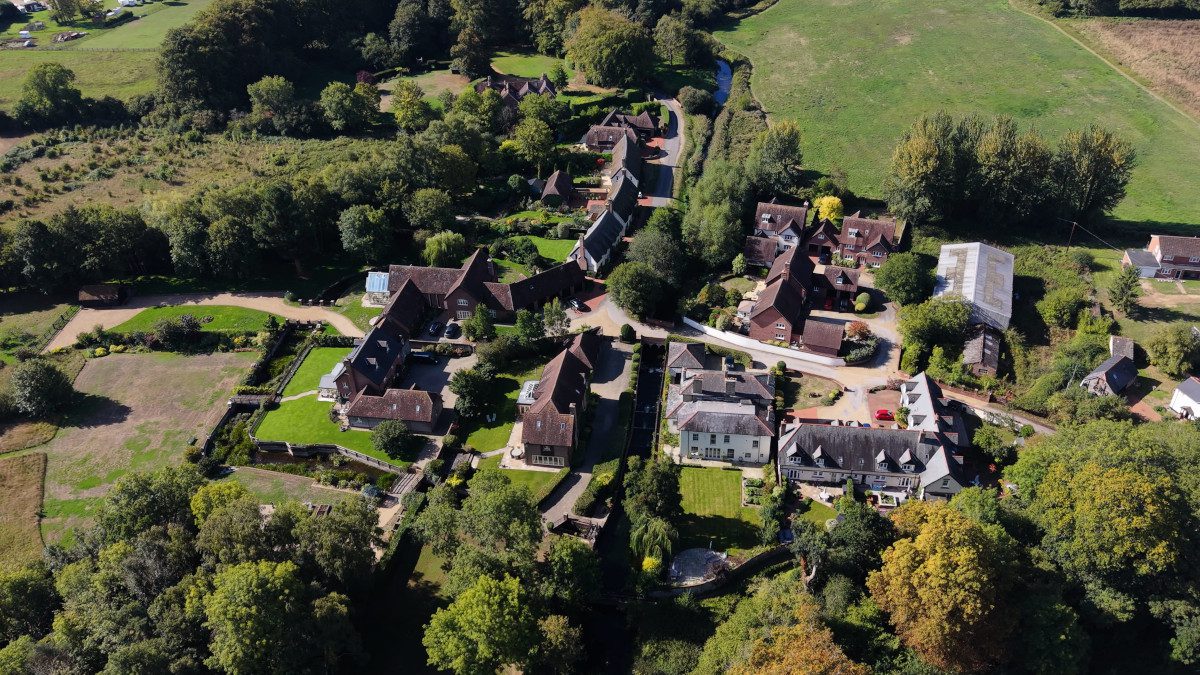
A community of 16 homes in Witchampton Mill, Dorset, has transitioned to a 100% BioLPG heating tariff in a project managed by energy supplier Calor. The initiative successfully demonstrates how rural, off-grid properties can drastically reduce heating-related emissions without the need to replace existing boilers or fuel-storage infrastructure.
BioLPG is chemically identical to conventional liquefied petroleum gas (LPG) but is produced from renewable feedstocks, such as waste fats and vegetable oils. This "drop-in" compatibility allows users to transition to a cleaner fuel source immediately, avoiding the high capital expenditure and logistical disruption associated with retrofitting properties with heat pumps or alternative electrical systems.
For UK waste management firms and Turkish recyclers operating off-grid facilities, managing Scope 1 emissions is becoming increasingly critical under modern carbon-reporting frameworks and supply chain audits. Many recycling depots, sorting hubs, and reprocessing plants rely on LPG for space heating, thermal processes, or forklift fleets. Adopting BioLPG offers these businesses a friction-free method to improve their environmental credentials. By switching fuel tariffs rather than replacing expensive plant infrastructure, operators can lower their reported carbon footprints, helping them meet the strict sustainability criteria demanded by major packaging converters and brand owners.
The practical takeaway for recycling operators is to audit their current fossil LPG usage and consult energy suppliers about the availability of certified bio-propane tariffs. This represents a cost-effective, immediate step toward carbon reduction before committing to expensive electrification retrofits.