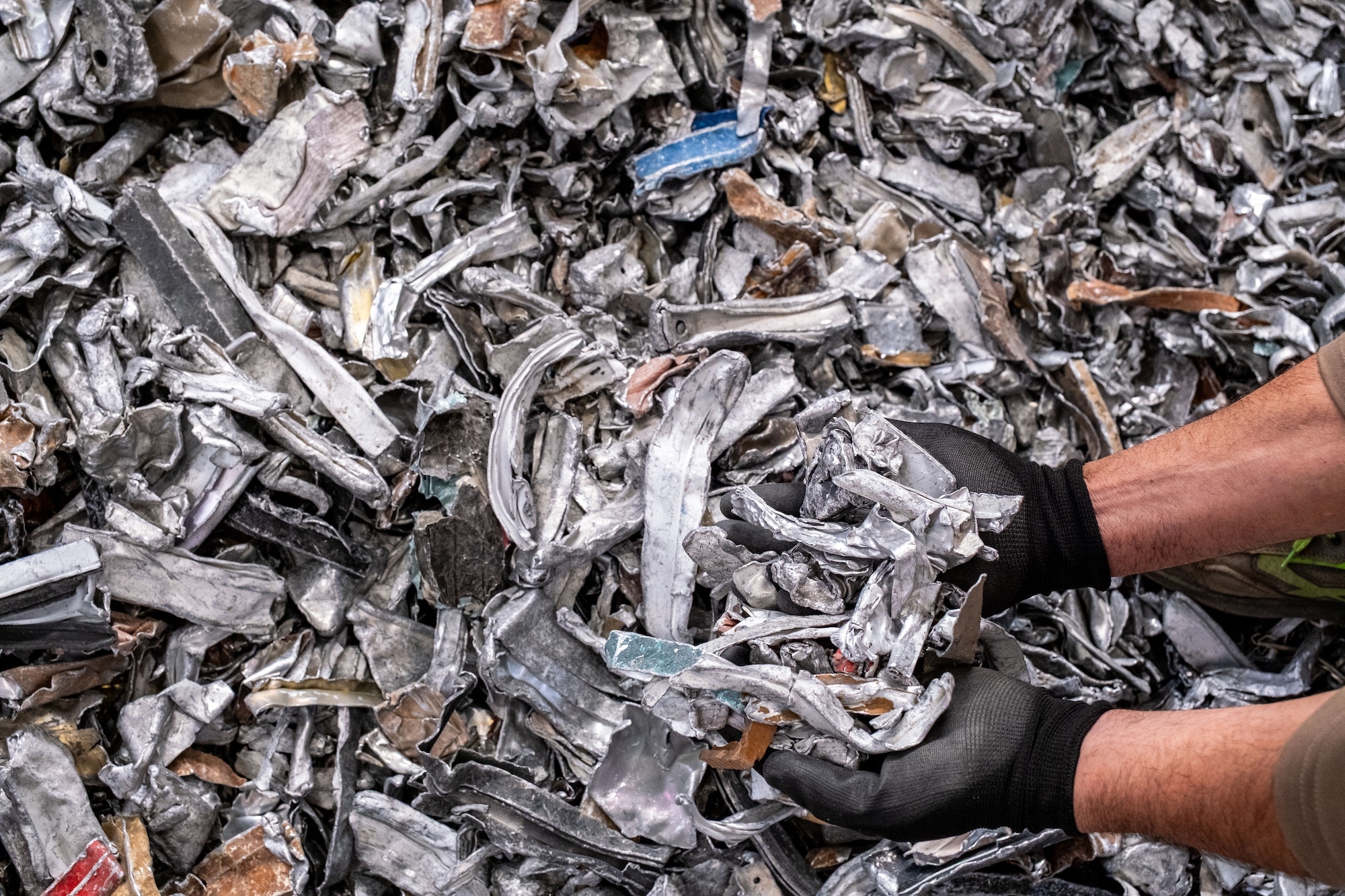
The United Arab Emirates has commissioned a large-scale recycling facility designed to process industrial scrap locally rather than exporting unrefined waste. Utilising heavy-duty shredding and a 17-metre optical and X-ray sorting tower developed by Italian machinery manufacturer Panizzolo, the facility converts mixed scrap into furnace-ready secondary raw materials.
This capital investment reflects a growing global movement toward domestic resource recovery and material retention. Historically, regional economies without complete secondary processing lines relied heavily on exporting raw scrap to overseas markets. By deploying advanced sensor-based sorting technologies capable of isolating high-purity fractions, operators capture greater economic value domestically while eliminating the substantial carbon footprint associated with shipping bulk low-grade waste across international trade routes.
From an operational perspective, the facility demonstrates how multi-stage mechanical and X-ray separation can replace manual grading. Refining scrap near the point of generation ensures a predictable feedstock supply for domestic manufacturing, significantly improving energy efficiency compared to primary material extraction.
Implications for UK–Türkiye Recyclers
While this specific installation processes metal scrap, the structural transition holds key lessons for UK waste managers and Turkish polymer recyclers operating under increasingly stringent carbon reporting frameworks. As regulations such as the revised EU Waste Shipment Regulations and the UK Plastic Packaging Tax tighten scrutiny around cross-border waste movements, relying on long-distance exports of low-purity material is becoming economically and environmentally unviable.
For Turkish reprocessors and UK packaging converters, integrating high-precision sorting technology is directly tied to regulatory compliance and carbon accounting. High-purity recycled polymers processed closer to collection points generate lower Scope 3 emissions across the supply chain, assisting converters in meeting corporate sustainability mandates. Furthermore, robust automated sorting reduces the operational and financial risks associated with shipment rejections and contamination disputes under international trade controls.
Practical Takeaway
Transitioning from raw material export to localised automated sorting safeguards secondary feedstock supply and curtails supply chain emissions. Processing facilities should prioritise sensor-based separation to meet rising global standards for material purity and carbon transparency.