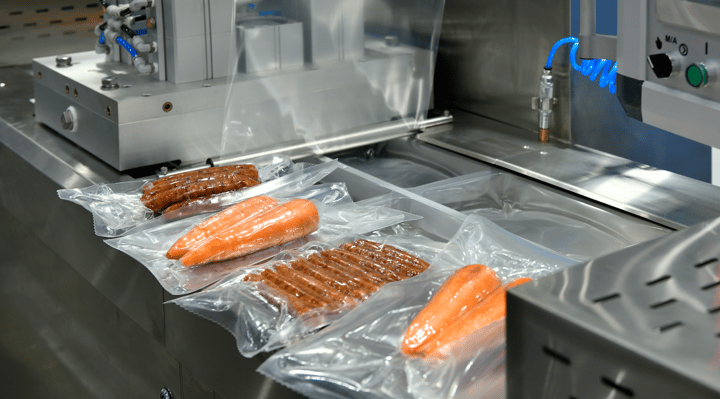
Academic researchers at Hasanuddin University in Indonesia have formulated a biodegradable, multilayer food packaging film based on bacterial cellulose derived from coconut liquid waste. The material incorporates active oxygen-scavenging capabilities alongside barrier properties, designed to extend food shelf life while achieving rapid degradation in natural environments compared to traditional petroleum-based plastic films.
Multilayer flexible barrier films present a longstanding technical challenge for the circular economy. Conventional constructions combine polyolefins, ethylene vinyl alcohol (EVOH), or polyethylene terephthalate (PET) to balance moisture and oxygen barrier requirements. However, these mixed-polymer structures are notoriously difficult to separate and recycle through mechanical processes, frequently ending up in energy recovery or landfill. Bio-based alternatives that match the barrier performance of multi-material laminates while breaking down naturally offer a potential route to reduce persistent packaging waste in fresh food supply chains.
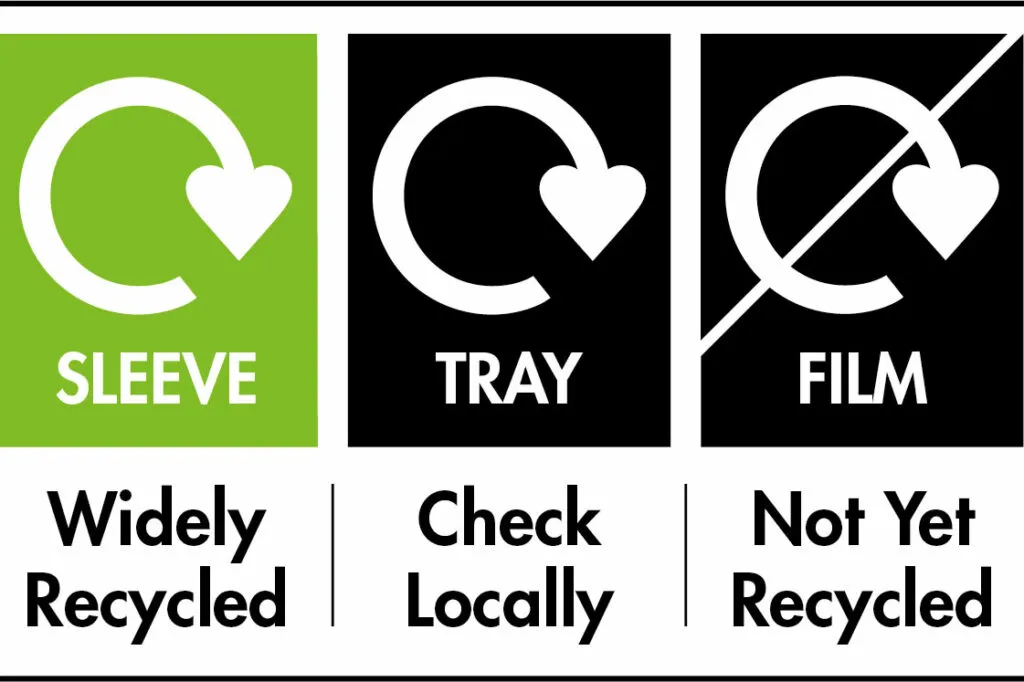
For UK packaging converters and Turkish plastic reprocessors, the emergence of organic barrier films underscores both a market opportunity and an operational consideration. For converters, bio-based films offer a potential pathway to meet increasingly stringent eco-design directives and lower Scope 3 embedded carbon metrics without compromising product shelf life. For waste management companies and reprocessors in the UK and Türkiye, however, the eventual penetration of compostable or rapidly degrading cellulosic films into flexible waste streams necessitates clear sorting protocols. If bio-based films enter mechanical flexible polyethylene (PE) or polypropylene (PP) recycling lines, they risk destabilising reprocessability and contaminating recycled polymer batches. Maintaining clean, segregated waste streams remains critical as novel formulations move from laboratory testing toward commercial scale.
A key practical takeaway for industry operators is to evaluate how emerging bio-based barriers interact with existing waste infrastructure and packaging regulations. Converters testing compostable or bio-derived films must ensure that end-of-life pathways are clearly communicated to end-users and aligned with local collection systems, preventing cross-contamination with mechanically recyclable polyolefin film fractions.