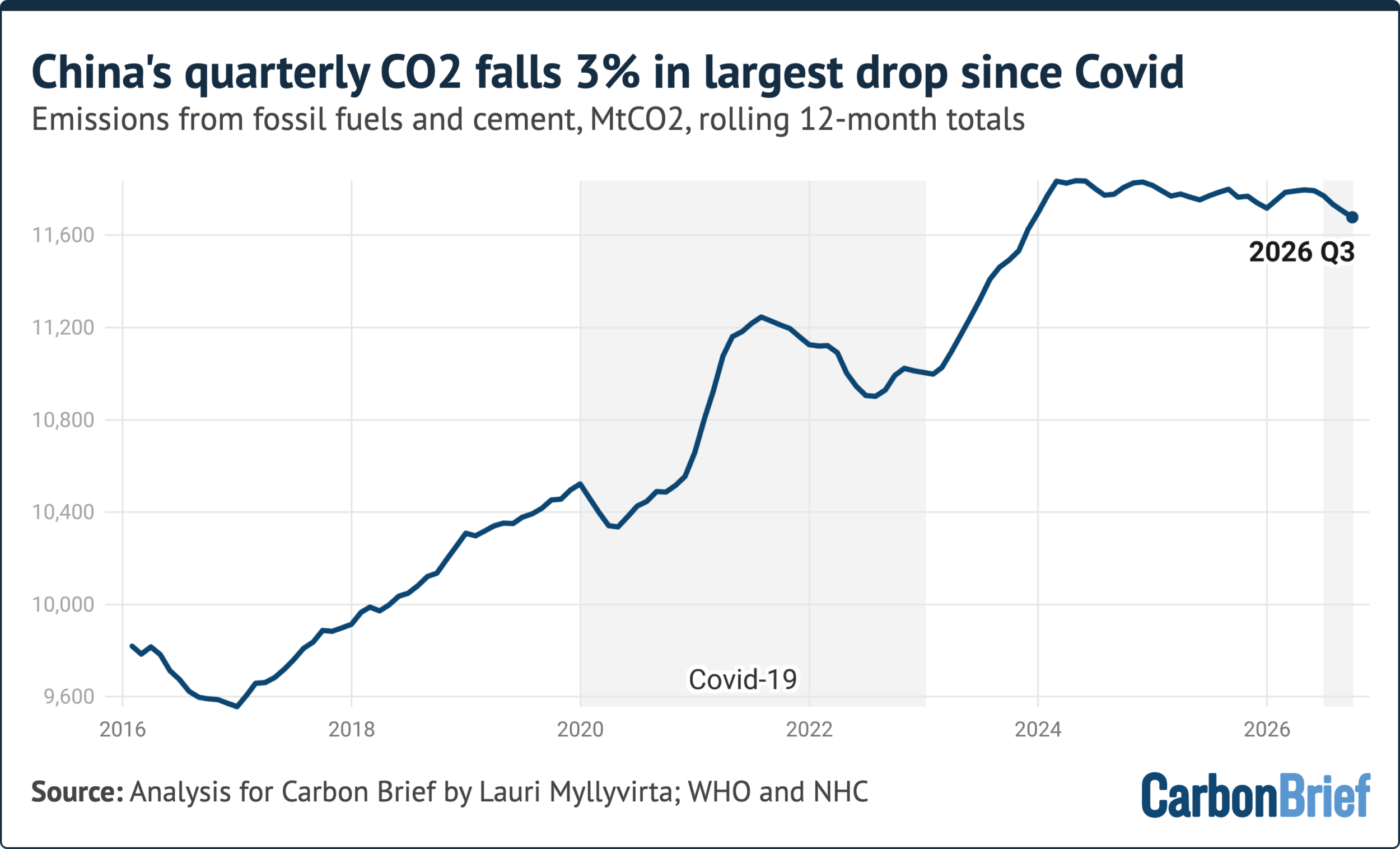
China recorded a 3.1% reduction in carbon dioxide emissions during the third quarter of 2026, marking the country's most significant quarterly decline since the outbreak of the Covid-19 pandemic. According to recent analysis published by Carbon Brief, the downturn reflects accelerated renewable energy deployment alongside broader macroeconomic shifts and global energy market volatility.
This structural reduction carries weight for international climate tracking and global supply chains. As the world's primary producer of industrial raw materials—including primary synthetic polymers and packaging components—China's power grid decarbonisation directly affects the embedded carbon intensity of imported goods and manufacturing inputs worldwide.
Why It Matters to UK–Türkiye Plastics Operators
For businesses across the UK–Türkiye plastics trading and recycling network, global emissions trends set the trajectory for carbon accounting standards. With mandatory climate disclosures expanding under UK law and the EU's Carbon Border Adjustment Mechanism (CBAM) reshaping trade into Europe, tracking embodied carbon across supply chains is no longer optional.
Turkish recycling reprocessors exporting to Europe and UK packaging converters sourcing materials must navigate tighter scrutiny regarding Scope 3 emissions. Although a decarbonising primary manufacturing sector reduces the carbon footprint of virgin polymers, recycled resins retain a substantially lower carbon footprint. However, as global baseline manufacturing emissions fall, recyclers must continually improve factory-level energy efficiency to preserve their competitive emissions advantage over virgin material alternatives.
Practical Takeaway
UK waste companies and Turkish recyclers should systematically audit facility energy consumption and prepare verified product life cycle assessments (LCAs). Clear, standardized carbon reporting will be crucial for maintaining access to UK and EU packaging converters seeking compliant, low-carbon materials.