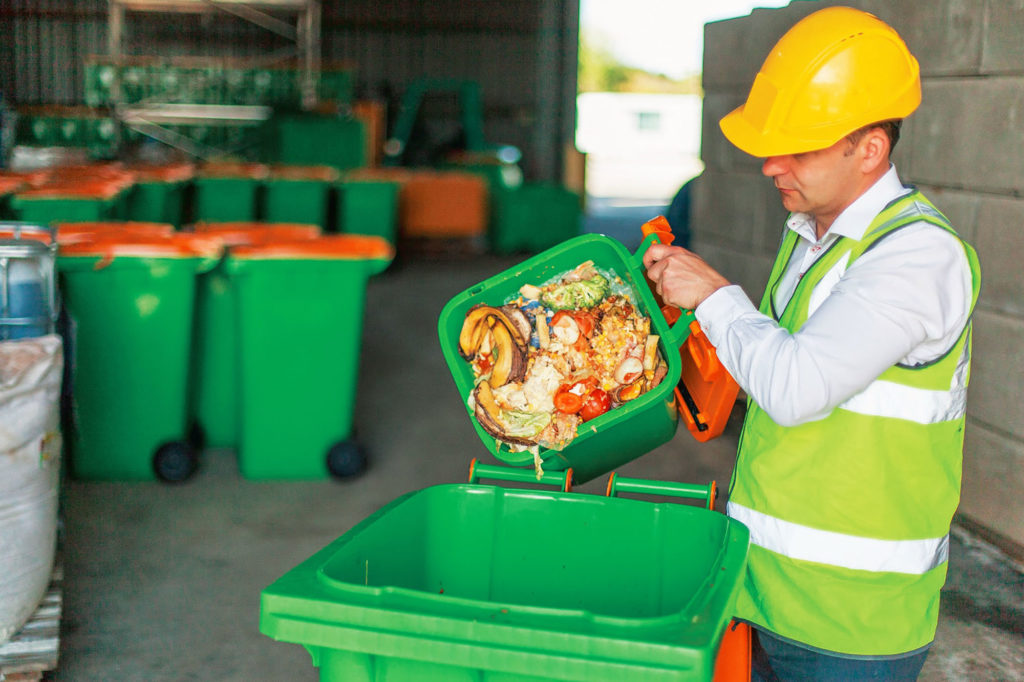
The British Standards Institution (BSI) has published a new voluntary standard designed to help the food supply chain monitor, manage, and report food loss and waste. As a world-first standard of its kind, the guidance aims to establish a consistent framework for businesses to track their waste streams and communicate progress transparently to both regulators and customers.
By providing a structured methodology, the standard addresses a critical gap in global sustainability efforts. Food waste is a major contributor to global greenhouse gas emissions and resource depletion. The new framework encourages companies across the food supply chain—from primary producers to retailers—to identify inefficiencies, set reduction targets, and verify their waste data.
For UK waste management firms and packaging converters, this standard has direct implications. Packaging design plays a pivotal role in extending food shelf life and preventing waste. Converters will increasingly need to align their product development with the waste-reduction strategies of their food-industry clients. This could drive demand for advanced barrier properties, smart packaging, and materials that facilitate easier food-contact recycling. Furthermore, UK waste companies handling organic waste streams will benefit from more standardised data, allowing for better feedstock planning and more efficient processing.
For Turkish recyclers exporting food-contact resins or packaging materials to the UK, understanding these standards is highly beneficial. As UK brands face pressure to report and reduce supply-chain waste, they will seek packaging partners who can demonstrate how their materials contribute to overall waste minimisation. Aligning packaging specifications with the resource-efficiency goals of this standard will be key to maintaining a competitive advantage in the UK market.
A practical takeaway for businesses is to review current waste-tracking protocols against the new BSI framework. Companies should assess how their packaging designs or waste management services can actively support food clients in meeting these newly standardised metrics.